

Bruising after surgery is one of the most common parts of recovery, yet it still surprises many people. Even when a procedure goes exactly as planned, the treated area may show purple, blue, green, or yellow discoloration in the days that follow. This often raises the same question: Why do bruises occur after surgery?
The short answer is simple. Bruises appear because small blood vessels under the skin react to surgical movement and tissue handling. During healing, a small amount of blood can collect in the surrounding tissue, which creates visible color changes on the skin. In most cases, this is a normal part of recovery rather than a sign that something went wrong.
Table of Contents
ToggleWhat a Bruise Actually Is
A bruise forms when tiny blood vessels, called capillaries, break or leak beneath the skin. Blood then moves into the nearby tissue instead of staying fully inside the vessels. Because that blood sits under the skin for a short period, the area changes color.
After surgery, this can happen even with careful technique because the body is still responding to tissue separation, pressure, swelling, and internal adjustment. The skin may look unchanged immediately after the procedure, then bruising becomes more noticeable over the next one to three days.
Why Surgery Often Causes Bruising
Surgery involves movement beneath the skin. Even when incisions are small or the treated area looks limited from the outside, the tissues underneath still go through a healing response. During that process, small vessels may react to:
- tissue lifting or repositioning
- swelling pressure
- temporary disruption of tiny capillaries
- normal inflammatory healing activity
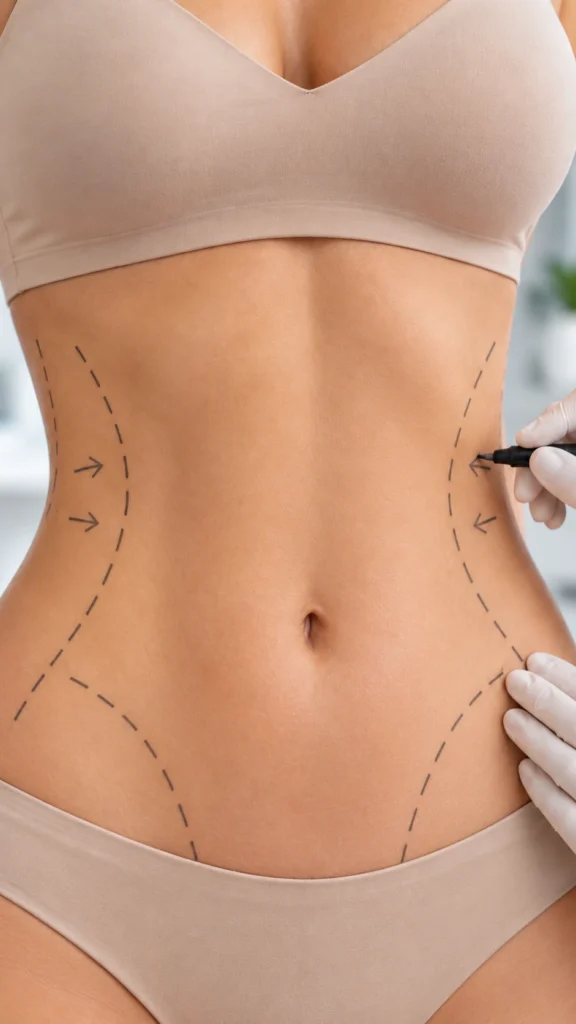
This is why bruising may happen after facial surgery, body contouring procedures, breast surgery, eyelid surgery, rhinoplasty, and many other operations. Some procedures create more bruising than others, but the basic reason stays the same: healing tissues and small blood vessels need time to settle.
Why Some People Bruise More Than Others
Not everyone bruises the same way. Two people may have the same surgery and show very different levels of discoloration. This depends on several factors, including:
- skin thickness
- blood vessel sensitivity
- individual healing response
- medications or supplements
- how easily the person bruises in daily life
Some people naturally bruise more visibly because their skin is lighter, thinner, or more transparent. Others may bruise internally in a milder way that fades more quickly or appears less dramatic on the surface.
Why Bruise Colors Change Over Time
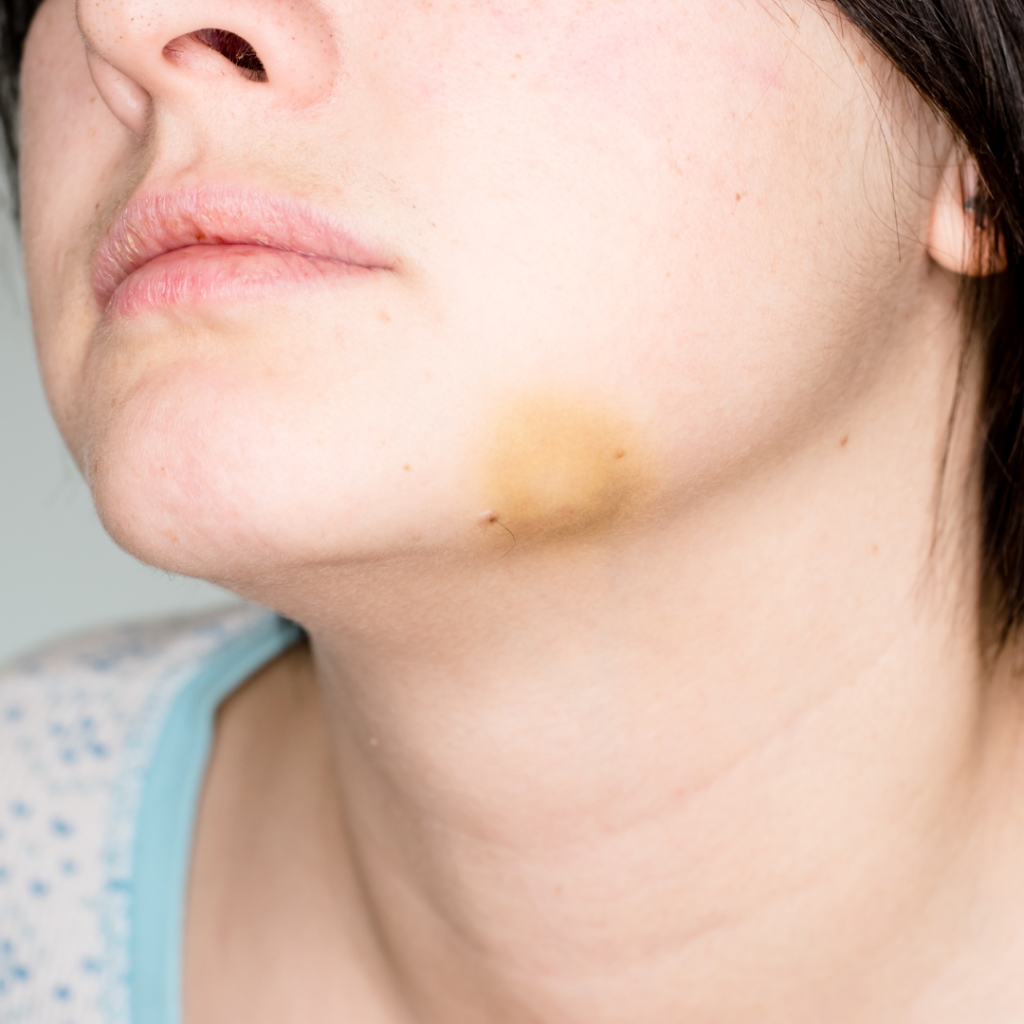
A fresh bruise often looks dark purple, blue, or red. As the body breaks down and clears the trapped blood, the color changes. It may turn green, yellow, or brown before disappearing completely.
This color shift is normal. It reflects the body’s cleanup process. In other words, a bruise that changes color is usually healing, not getting worse.
Many people worry when yellow or green tones appear, but these shades often mean the bruise is moving into a later recovery stage.
Where Bruises Appear After Surgery
Bruises do not always stay exactly where the procedure happened. Gravity can move blood downward through the tissue, especially in the face and body. That is why:
- eyelid surgery may cause bruising lower around the cheeks
- rhinoplasty may lead to color changes under the eyes
- abdominal or body contouring procedures may create bruising beyond the main treated zone
This can look confusing at first, but it often follows normal healing patterns rather than indicating a new problem.
How Long Bruises Usually Last
Most surgical bruising improves gradually over one to three weeks, although the exact timeline depends on the procedure and the person’s healing pattern. Some light discoloration may remain longer, especially after larger procedures or in areas with more swelling.
Bruising does not always fade evenly. One side may clear faster than the other, or one color may linger longer in certain spots. Uneven fading is common during normal recovery.
When Bruising Is More Noticeable
Bruising often appears more dramatic when:
- the treated area has thin skin
- swelling is still active
- the surgery involved delicate facial tissue
- the person is naturally prone to bruising
Facial bruising, in particular, tends to draw more attention because it is visible and because the skin around the eyes is delicate. Even so, noticeable bruising can still fall within a normal recovery pattern.
Can Bruising Be Completely Avoided?
Bruising can often be reduced, but it cannot always be completely avoided. The body’s response to surgery is individual, and some amount of bruising may still happen even when everything is done carefully.
That is why recovery planning matters. People often prepare for swelling, but bruising deserves equal attention because it affects how the healing area looks day by day.
When Bruising Deserves More Attention
Most bruising after surgery is expected and improves with time. However, very rapidly increasing discoloration, severe swelling, strong pressure, or unusual pain may need closer attention. Normal bruising tends to settle gradually rather than becoming more intense without pause.
The key difference is progression. A normal bruise usually changes color and slowly fades. A more concerning issue often feels increasingly tense, painful, or dramatically swollen.
A Normal Part of Recovery
Bruises occur after surgery because healing tissues and tiny blood vessels react to the procedure. They may look dramatic at first, but in many cases they reflect a normal healing response rather than a complication. The color changes, movement under the skin, and gradual fading all form part of how the body recovers.
Understanding why bruises occur after surgery helps make recovery feel less alarming. Bruising is often temporary, expected, and closely tied to the body’s natural repair process.
Would You Like to Get Detailed Information About Our Procedures?