


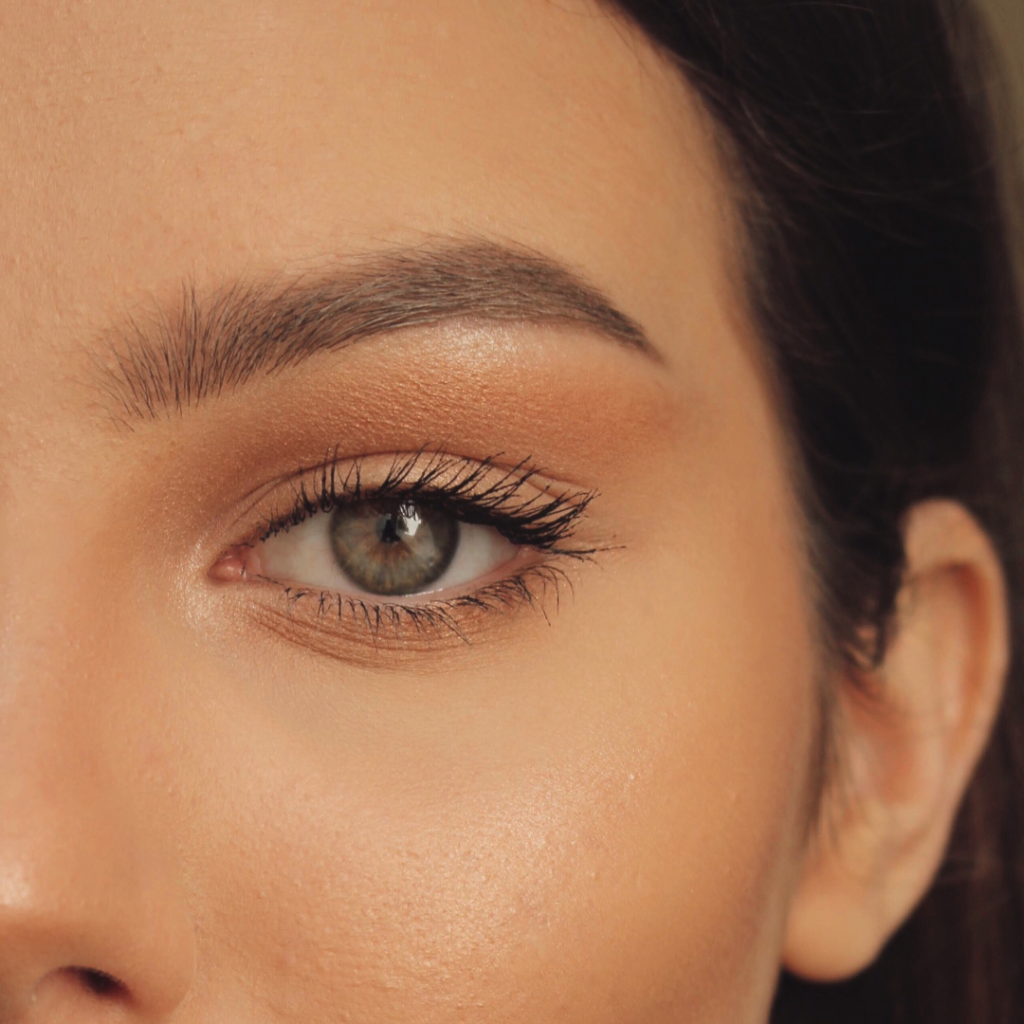
The eye area is one of the most expressive parts of the face. A small change around the outer corner of the eye can influence how open, rested, soft, or lifted the overall expression appears. That is why almond eye surgery has become one of the most frequently discussed topics in facial aesthetics. Many people are drawn to the idea of a more elongated, refined eye shape, but the real question is not only what the procedure looks like. The more important question is who it actually suits.
This matters because almond eye surgery is not a one-size-fits-all treatment. A beautiful result depends on harmony. The eye shape, brow position, temple support, eyelid structure, and general facial proportions all affect whether the result will look natural or feel disconnected from the rest of the face. For that reason, the ideal candidate is not simply someone who likes the look of almond-shaped eyes. It is someone whose facial structure can carry that change in a balanced way.
Almond Eye Surgery is generally considered by people who want a more lifted, more refined, and slightly more elongated eye appearance without losing natural facial softness. The goal is usually not to make the eyes look dramatically different, but to create a cleaner outer eye contour and a more elegant upper-face expression.
What Makes Someone a Good Candidate for Almond Eye Surgery?
The ideal candidate is usually someone who feels that the outer eye area looks slightly downturned, tired, or less supported than they would like. In many faces, the concern is not the entire eye shape, but the outer corner and the way it affects overall expression. A mild downward angle at the outer corner can make the face look more fatigued or less vibrant, even when the rest of the features are well balanced.
A good candidate is often looking for refinement rather than dramatic transformation. The most successful outcomes usually happen when the person wants a subtle lift, a softer contour, and a more balanced eye frame rather than an exaggerated result.
Table of Contents
ToggleWhy Is Facial Harmony More Important Than Trend Appeal?
Because almond eye surgery affects one of the most visible and expressive areas of the face. If the change is not in harmony with the brows, temples, cheek structure, and natural eye shape, the result can feel overly sharp or artificial. Facial harmony is what keeps the eye area elegant rather than overdone.
Which Facial Features Are Usually Evaluated First?
The eye itself is only one part of the decision. The surrounding structures matter just as much. A person may want a more lifted outer eye, but if the brows are already high, the upper eyelid is heavy, or the temple support is weak, the overall effect may not be the same as expected.
Outer Eye Corner Position
People with a slightly low or softened outer eye corner are often more likely to explore this procedure. In these faces, even a subtle adjustment can make the expression look brighter and more awake.
Brow and Upper Eyelid Relationship
The relationship between the brow tail and the outer eye plays a major role in upper-face balance. If the brow is low, heavy, or already strongly lifted, that changes how almond eye surgery may visually read on the face.
Temple Support and Upper Cheek Transition
A graceful outer eye contour does not depend on the eyelid alone. The temple area and upper cheek transition help support the visual flow of the eye. Faces with better support in these areas often carry the change more naturally.
Who Usually Becomes Interested in Almond Eye Surgery?
The people most often interested in almond eye surgery are those who want their eyes to look more open, more refined, or slightly more lifted without creating a harsh expression. They may feel that their eyes look tired even when they are well rested. Others may feel that the outer eye shape does not match the elegance they want in the rest of their facial features.
Some people are also drawn to the procedure because they prefer a cleaner upper-face contour. In their case, the appeal is not only the eye shape itself, but the overall effect on expression.
Is It Only for People Who Want a More Dramatic Look?
No. In fact, many people who consider almond eye surgery are not looking for something dramatic at all. They usually want a more polished and more rested appearance. The ideal result often feels subtle enough that the face still looks like itself, just more refined.
Which Face Types May Suit It Better?
This procedure tends to look more harmonious in faces where a slight outer lift can support the natural structure rather than compete with it. It is often more flattering when the goal is to enhance what is already present instead of forcing a shape that does not belong to the face.
Oval Faces
Oval faces often carry this type of change well because their proportions are already balanced. A more refined outer eye contour can blend naturally into the rest of the upper face.
Heart-Shaped Faces
Faces with a broader upper third and a narrower lower third may also suit this approach well. In these faces, the eye area often plays a strong role in overall expression, so a subtle lift can feel especially elegant.
Faces With Mild Outer Corner Softness
Even without a specific face-shape label, people whose outer eye corners look mildly downturned or softened often become stronger candidates. In these cases, the procedure may support a fresher and more lifted look.
Who May Need More Careful Evaluation?
Not every face benefits from the same type of eye enhancement. In some cases, the eye area may not be the only issue affecting expression. A person may think they need almond eye surgery when the real concern is brow heaviness, upper eyelid skin excess, or loss of support in nearby structures.
Very Round or Short Faces
In shorter or rounder faces, an overly lifted or elongated eye shape can sometimes look disconnected from the natural softness of the face. That does not automatically rule the procedure out, but it makes balance even more important.
Heavy Upper Eyelids
If the upper eyelid has visible heaviness, excess skin, or a downward pull, the desired almond effect may not be the only thing to consider. The overall upper-face relationship matters more than one isolated detail.
Very Delicate or Unsupported Outer Eye Area
If the outer eye area lacks support, the plan must remain especially careful and balanced. Small changes in this region are highly visible, and that is why good candidates are not chosen by preference alone, but by anatomy as well.
Why Is a Natural Result So Important in This Procedure?
The eye area can easily become the center of attention in the wrong way if the result is too sharp or too obvious. A natural outcome matters because the goal is not simply to lift the outer corner. The goal is to create a more elegant shape that still fits the person’s identity.
A well-suited candidate is usually someone who values refinement over exaggeration. The eyes may appear more open and more balanced afterward, but they should not look detached from the rest of the face.
What Does a Natural Almond Eye Effect Mean?
It usually means the outer eye looks more supported, the upper face appears more refreshed, and the expression feels softer and more awake. It should not create a permanently surprised, overly pulled, or unnatural look.
What Should the Right Candidate Expect Emotionally and Aesthetically?
A strong candidate is not only anatomically suitable but also realistic in expectations. The healthiest approach is to see almond eye surgery as a way to refine the eye contour, not to completely change one’s identity. People who understand this often feel more satisfied because they are looking for balance, not perfection.
The emotional side matters because the eye area is closely tied to self-image. When someone wants to feel fresher, more elegant, or more confident in their upper-face expression, that desire often comes from a wish for harmony rather than change for the sake of change.
Almond eye surgery is best suited for individuals who want a more lifted, more refined, and more balanced outer eye appearance, and whose facial structure can support that change naturally. The ideal candidate is usually someone with mild outer-corner softness, good upper-face balance, and a preference for elegant rather than exaggerated results.
The most important point is that candidacy is not based on trend alone. It depends on the relationship between the eyes, brows, temples, and facial proportions. That is why almond eye surgery is not about giving every face the same look. It is about identifying when a more elongated eye contour can genuinely enhance the face in a soft, harmonious, and believable way.