

Swelling is one of the most common parts of recovery after surgery. It can happen after facial procedures, body contouring, breast surgery, rhinoplasty, eyelid surgery, and many other operations. Even when healing goes smoothly, the treated area often looks fuller, firmer, or more uneven before it begins to settle. That leads many people to ask the same question: How long does surgical swelling last?
The honest answer is that swelling does not disappear all at once. It improves in stages. Some of it fades in the first days or weeks, while a smaller amount can remain for much longer depending on the procedure and the area treated.
Table of Contents
ToggleWhy Swelling Happens After Surgery
Swelling is part of the body’s natural healing response. After surgery, the tissues react by sending extra fluid, blood supply, and inflammatory support to the treated area. This helps the body protect and repair itself.
That response is normal, but it also makes the area look puffy, tight, or larger than expected. In some cases, the swelling is obvious right away. In others, it becomes more noticeable over the first few days.
The Early Stage of Swelling
The first stage usually happens during the first few days after surgery. This is when swelling tends to feel the most visible or uncomfortable. The area may look fuller, feel tighter, and seem very different from the final result.
This early swelling often creates the most concern because people naturally want to judge the outcome right away. But the first phase of healing does not show the final appearance. It only shows the body’s initial response to the procedure.
When Swelling Starts to Go Down
In many cases, the heaviest swelling starts to improve after the first several days. From there, the body gradually reabsorbs fluid and the tissues begin to soften. This is the point when many people feel better and start noticing visible progress.
However, that does not mean all swelling is gone. It often means the most obvious part has passed. A deeper or more subtle layer of swelling can remain in the tissues even when the area already looks much better.
Why Some Swelling Lasts Longer
Not all swelling behaves the same way. The timeline depends on several factors, including:
- the type of surgery
- the size of the treated area
- how delicate the tissues are
- how much internal healing is taking place
- the person’s natural healing pattern
For example, swelling in the face can behave differently from swelling in the abdomen or breasts. Thin skin may show small changes more clearly, while thicker areas may hold fluid longer before the contour fully settles.
Facial Surgery and Swelling
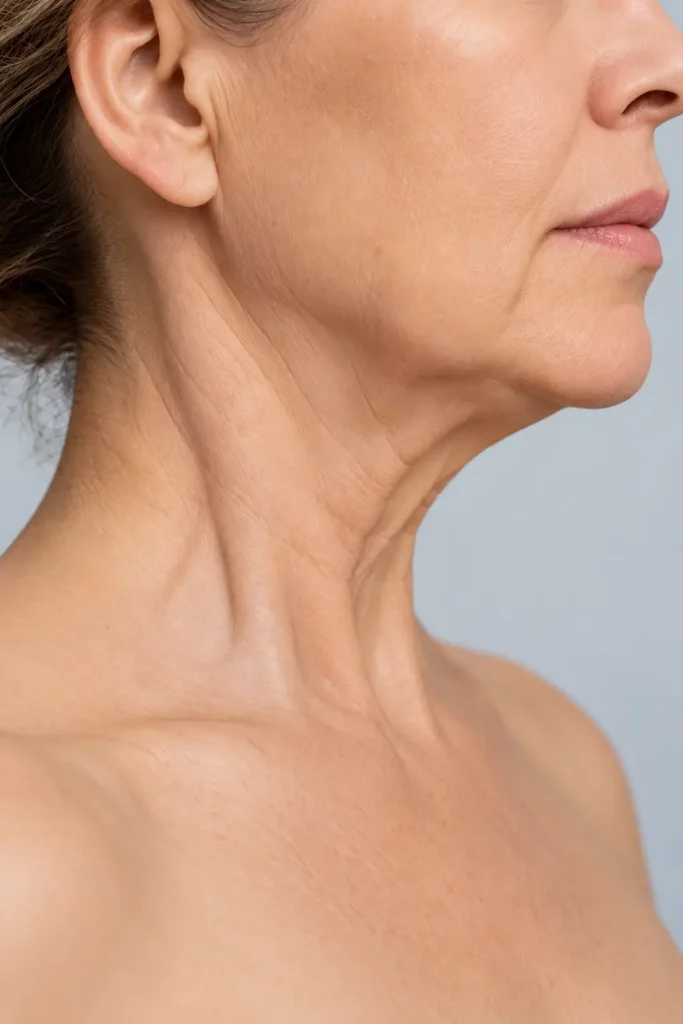
After facial surgery, swelling often improves in layers. The first large swelling decreases relatively early, but the finer swelling may stay longer. This is especially common after rhinoplasty, eyelid surgery, brow procedures, and face or neck surgery.
In the face, even a small amount of leftover swelling can affect how the result looks. That is why people sometimes feel the area is “almost there” for a long time before the final refinement becomes visible.
Body Surgery and Swelling
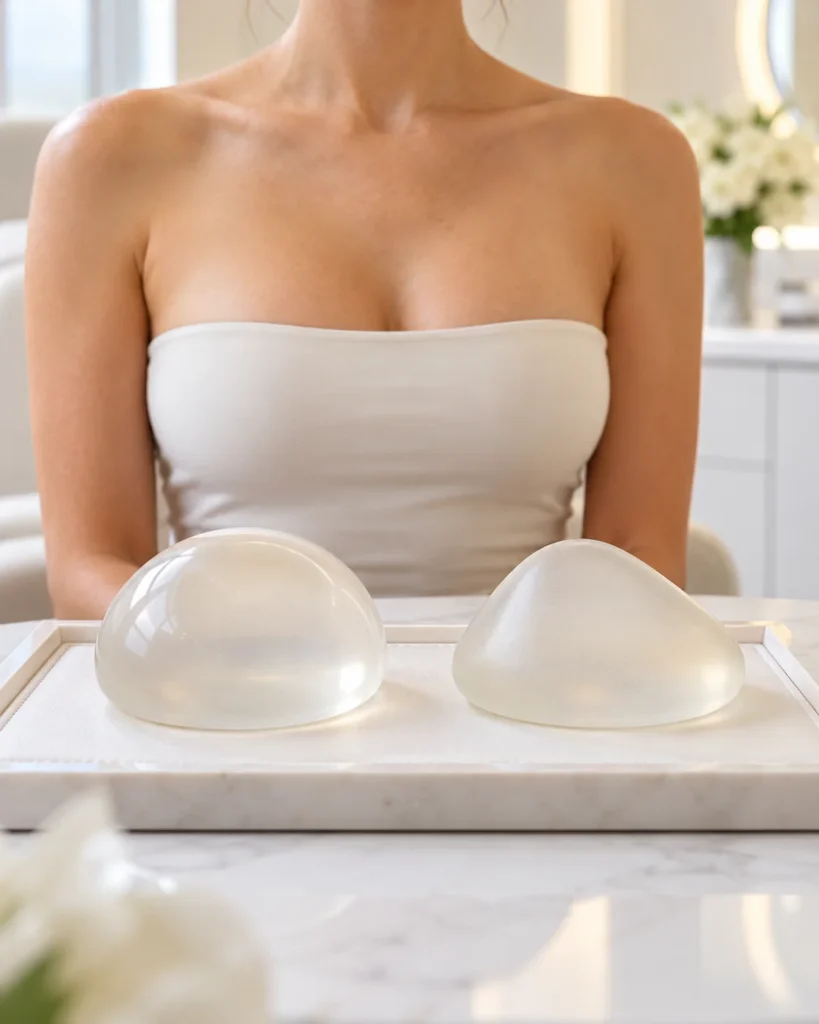
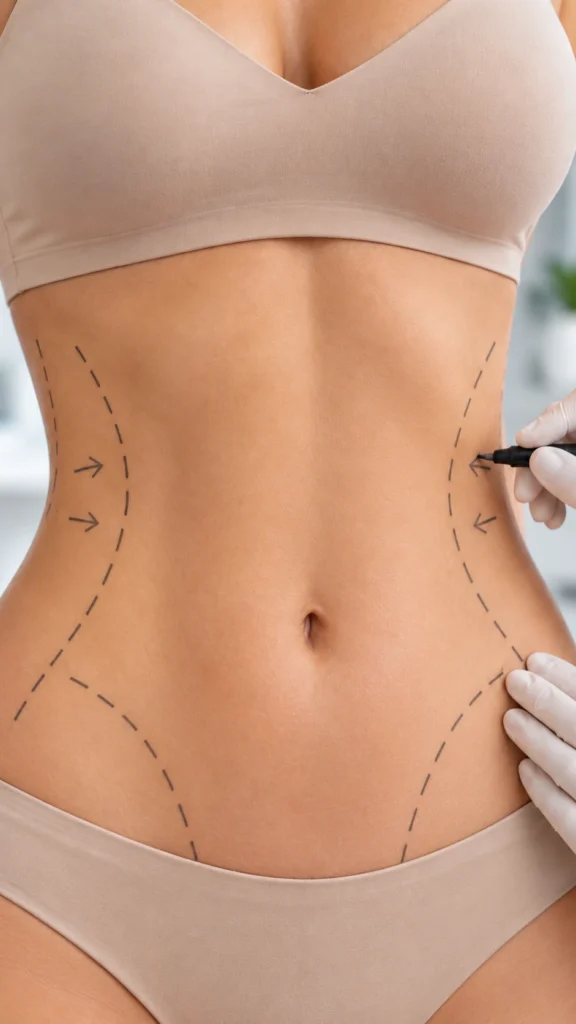
Swelling after body procedures may also last longer than expected. Liposuction, tummy tuck, breast surgery, and body contouring all involve deeper tissue healing, and the body may hold fluid in the area for an extended period.
This does not always look dramatic, but it can affect firmness, shape, and how clothing feels. Some days the body may look more swollen than others, especially later in the day or after more activity.
Why Swelling Changes Throughout the Day
Surgical swelling is not always the same from morning to night. Many people notice that the treated area looks better early in the day and more swollen later on. This happens because gravity, movement, and circulation affect how fluid settles in the tissues.
That kind of fluctuation is common during recovery. It does not necessarily mean the body is healing badly. It usually means the tissues are still adjusting.
When the Area Starts to Look More Natural
As swelling decreases, the result starts to look more natural. The contour becomes clearer, the skin feels less tight, and the area begins to settle into its new shape.
This stage can feel encouraging, but it still takes patience. Many surgical results improve gradually rather than suddenly. A person may notice meaningful change at one month, more refinement at three months, and even more softness after that.
Why Comparing Recovery Timelines Can Be Misleading
It is easy to compare healing with someone else’s experience, but swelling does not follow the exact same schedule in every person. Two people may have the same procedure and look very different during recovery.
That is why it helps to focus less on someone else’s timeline and more on how the body is progressing overall. Gradual improvement matters more than matching someone else’s speed.
What Swelling Usually Means During Recovery
Most post-surgical swelling is a sign that the body is still healing, not that something is wrong. As long as the swelling gradually improves and the tissues keep settling, it often reflects a normal recovery pattern.
The important thing to remember is that surgical swelling often lasts longer than people expect. The most obvious swelling fades first, but the final settling takes more time.
A More Realistic Way to Think About It
Instead of asking only, “When will the swelling be gone?” it often helps to ask, “At what stage of healing am I in?” That question gives a more realistic view of recovery.
Swelling after surgery usually follows a gradual timeline. The heavier swelling often improves first, while the remaining puffiness takes longer to leave completely. The final result becomes clearer as the tissues soften, settle, and adjust over time.
Would You Like to Get Detailed Information About Our Procedures?