

A facelift is one of the most comprehensive methods for restoring the natural contours of the face as it ages. Over time, the skin becomes thinner, the deeper tissues lose strength, and the facial structure shifts downward. These changes often create a softer jawline, heavier cheeks, and a tired overall expression. A facelift helps reposition these tissues so the face looks more lifted, smoother, and full of energy again.
Many people notice that their facial features do not match how vibrant they feel. Makeup techniques and skincare routines can help to a certain extent, but they cannot reposition tissue that has descended with age. A facelift offers a targeted and structural approach, giving the face a renewed sense of definition without altering individual character.
Table of Contents
ToggleWhy the Face Changes Over Time
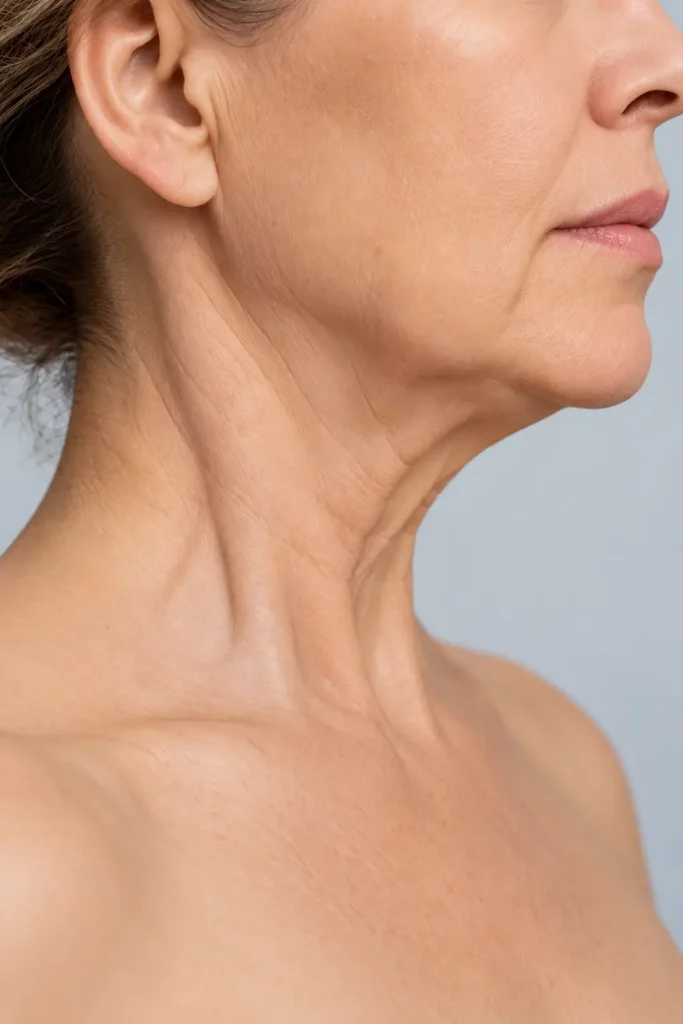
Every person experiences aging in a unique way, yet certain patterns appear consistently. The cheeks gradually lose volume and move downward, creating a flatter midface. The skin around the mouth begins to fold more prominently, and the once-clear jawline softens. These shifts happen for several reasons: genetics, sun exposure, gravity, lifestyle habits, and the natural decline of collagen and elastin.
The emotional effects of aging can be just as significant. Many individuals search for ways to look more rested and uplifted because their facial expression no longer reflects their internal vitality. A facelift addresses these deeper structures, which makes the improvement feel more harmonious than surface-level adjustments.
What a Facelift Can Address
A facelift primarily focuses on the lower and mid portions of the face. It can refine the jawline, lift sagging cheeks, lessen the appearance of deep creases, and create a smoother transition toward the neck. Rather than only tightening the surface, modern techniques work on the deeper support layers that shape the face.
This attention to underlying tissues allows the surgeon to refresh the face without creating an overly tightened or artificial appearance. The goal is to restore softness and clarity to the natural contours while respecting the person’s existing features.
Understanding the Facelift Process
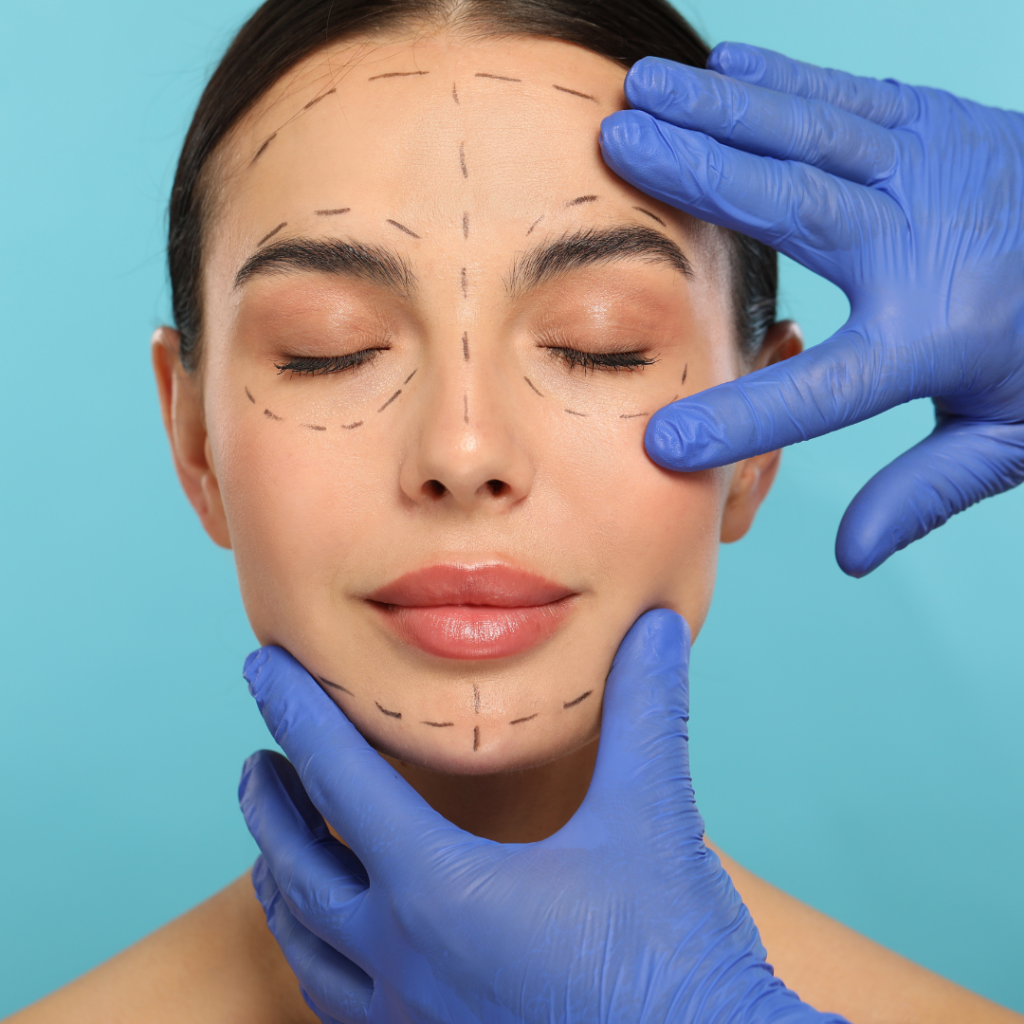
A facelift begins with an assessment of facial proportions, skin elasticity, and overall structure. The approach is individualized because every face ages differently. After planning, the procedure usually involves small, well-hidden incisions around the ear and sometimes into the hairline. These placements allow the surgeon access to deeper tissues while keeping marks discreet.
The next step focuses on lifting the internal support layer of the face, often called the SMAS. This method provides longer-lasting improvement because it works on the foundation rather than relying on the skin to hold tension. Once the deeper structures are repositioned, the skin is gently redraped for a smoother finish. Small adjustments at this stage help maintain a natural expression instead of a pulled appearance.
Some individuals require broader lifting, while others benefit from a more localized technique. The choice depends on the degree of aging and the expected outcome. What remains consistent across all approaches is the intention to create a fresh, refined look that still feels authentic.
Recovery After a Facelift
Facelift recovery takes time, but most people find the process manageable. Swelling and a sense of tightness are expected in the first week. As the days progress, the face gradually becomes more defined and the results start to appear. Walking, gentle stretching, and proper postoperative care support the healing process.
Many patients enjoy watching their features evolve during the recovery period. The jawline becomes clearer, the cheeks appear lifted, and the overall expression looks calmer and more youthful. This transformation does not happen overnight, but the gradual improvement often feels rewarding.
How Long Does a Facelift Last?
A facelift offers long-lasting changes because it addresses the deeper structures responsible for facial shape. While aging continues naturally, most people maintain a more lifted and structured look for many years. A healthy lifestyle, quality skincare, and sun protection also influence the longevity of the results.
The improvement often helps individuals feel more aligned with their internal sense of energy. When the face mirrors how vibrant a person feels, the emotional impact can be significant.
A Fresh Perspective on Facial Rejuvenation
A facelift brings clarity back to the natural contours of the face. When performed with thoughtful attention to detail, the transformation looks smooth and balanced, never forced. Many individuals exploring Face Lift in Turkey appreciate this refined approach, where expertise and subtlety come together to create a rejuvenated yet entirely authentic appearance.
Would You Like to Get Detailed Information About Our Procedures?