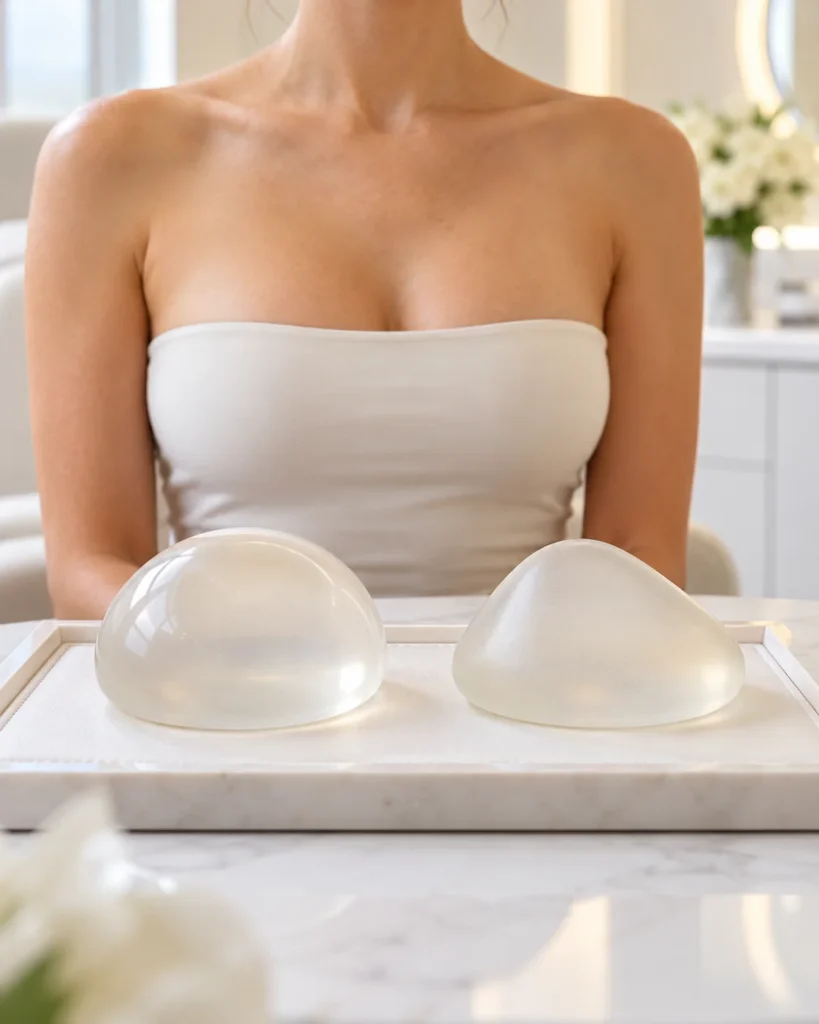



Breast implant placement is one of the most important parts of breast augmentation planning. People often focus on implant size or shape, but where the implant sits in relation to the breast tissue and chest muscle can influence comfort, movement, and overall balance. When you understand how surgeons place breast implants, the process feels less mysterious and much easier to evaluate with realistic expectations.
Implant placement is not a one-size-fits-all choice. Your natural breast tissue, chest width, skin elasticity, lifestyle, and desired look all guide the decision. The goal stays consistent: create a result that looks refined, feels natural in motion, and fits your body structure.
What “Implant Placement” Means
Implant placement simply describes the layer where the implant sits. Surgeons typically choose between:
Over the muscle (subglandular): the implant sits under the breast tissue but above the pectoral (chest) muscle.
Under the muscle (submuscular / partial subpectoral): the implant sits beneath the chest muscle, at least in the upper portion.
Dual-plane: a widely used approach that combines muscle coverage in the upper breast with a more natural drape in the lower breast.
These options are not “better” or “worse” on their own. The best choice depends on the individual anatomy and the desired balance between softness, definition, and support.
How the Surgeon Creates the Pocket
Before placing an implant, the surgeon creates a precise space called a pocket. Think of it as a carefully shaped room designed to hold the implant in the planned position.
During surgery, the surgeon makes an incision in a discreet area and then gently separates tissue to build that pocket. This step requires precision. The pocket must match the implant size and shape while keeping symmetry in mind. A well-designed pocket helps the implant sit smoothly, reduces excessive movement, and supports a natural contour.
Pocket creation also involves controlling bleeding, respecting tissue planes, and maintaining clean handling of the implant. These details strongly influence how the breasts look and feel during healing.
Common Incision Locations
The incision location does not determine the final result by itself, but it does influence how the surgeon accesses the pocket. Common options include:
Inframammary fold (under-breast crease)
This approach places the incision in the natural crease beneath the breast. It offers direct access, strong control during pocket creation, and reliable precision.
Periareolar (around the lower edge of the areola)
This incision sits along the border of the areola where color changes naturally. It can blend well in selected patients, though suitability depends on areola size and anatomy.
Transaxillary (armpit)
The incision is made in the armpit area. This approach avoids an incision on the breast itself, but it requires careful technique and may offer different levels of control depending on the case.
The “right” incision depends on anatomy and the surgical plan. The key is not the location alone, but how cleanly the surgeon creates the pocket and places the implant.
Over the Muscle Placement
When the implant sits over the muscle, the surgeon places it directly behind the breast tissue. This approach may suit individuals who have enough natural breast tissue to provide coverage and a soft transition.
Potential benefits can include:
a shorter adaptation period for some patients
less interaction with chest muscle movement
a naturally full lower breast shape in the right anatomy
This option may not fit everyone, especially if the existing breast tissue is thin. Adequate coverage matters for a smooth, natural look.
Under the Muscle Placement
When the implant sits under the chest muscle, the muscle covers the upper portion of the implant. This can support a soft upper-breast transition, especially in patients with less natural tissue.
This approach often helps with:
improved upper-pole coverage
a gradual, natural contour in the upper breast
a balanced look in slimmer body types
Some people notice temporary tightness during early healing because the muscle adapts to the new shape. Over time, the tissues relax and movement feels more natural.
Dual-Plane Placement
Dual-plane placement combines advantages from both approaches. The implant sits partially under the chest muscle, while the lower portion sits in a way that allows a natural drape and more refined lower-breast shape.
Surgeons often consider this approach when they want:
better upper coverage
natural lower-breast contour
an overall balanced profile without a “stuck on” appearance
Dual-plane planning requires skill because the surgeon must work with both tissue and muscle in a controlled, tailored way.
What Happens Right After Placement
After placing the implant, the surgeon checks symmetry, position, and overall contour. Small adjustments can make a big difference here. The surgeon then closes the incision carefully and supports the area to begin the healing process.
Early on, swelling can make the breasts look higher or firmer than expected. This is normal. Over the following weeks, the implants begin to settle as the tissues relax. The shape becomes softer and more natural with time.
How the Final Look Takes Shape
The final appearance depends on several factors, not only placement. Implant size, profile, pocket design, skin elasticity, and healing all influence the outcome.
Many people notice changes in stages:
First days: swelling, tightness, and a “high” position
First weeks: gradual settling and softening
Following months: refined contour, improved comfort, and a more natural feel
This timeline varies from person to person. The body takes its time, and the tissues settle at their own pace.
A Natural, Personalized Approach
Breast implants placement is a technical decision guided by anatomy and long-term comfort, not a trend. The best outcomes come from a plan that respects body structure and focuses on harmony, movement, and proportion. When implant placement matches the individual, the enhancement feels integrated—balanced in appearance and comfortable in daily life.
Would You Like to Get Detailed Information About Our Procedures?