


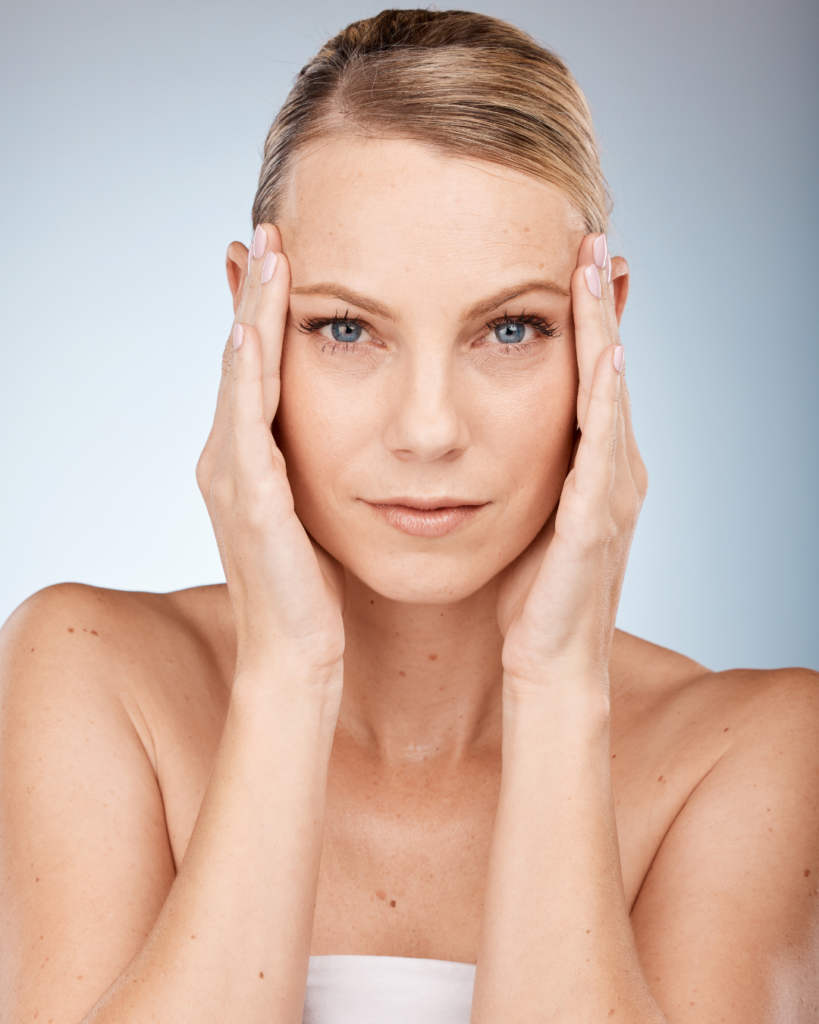
A face lift surgery focuses on restoring facial contours that soften over time. As skin loses elasticity and deeper tissues shift downward, the jawline becomes less defined and folds around the mouth grow more noticeable. Many people begin researching face lift surgery when they want a refreshed appearance that still looks like them.
The key idea behind a face lift is not to create a different face. Instead, it repositions underlying structures and smooths sagging areas so the face appears more rested and balanced. Understanding who benefits most from this procedure helps set realistic expectations and leads to more satisfying results.
Table of Contents
ToggleTypical Signs That Lead to a Face Lift
People often consider a face lift when they notice clear structural changes rather than fine surface wrinkles. A face lift addresses deeper aging signs, especially in the lower and mid-face.
Common concerns include:
Sagging along the jawline
Jowls or loss of jaw definition
Deep folds between the nose and mouth
Loose skin around the cheeks
Downward shift in facial contours
Topical treatments and non-surgical options may improve skin texture, but they cannot reposition deeper tissues. When structural descent becomes visible, surgical lifting provides more noticeable improvement.
Age Is Not the Only Factor
There is no single “right age” for face lift surgery. Many candidates fall between their 40s and 60s, yet suitability depends more on tissue condition than on age alone. Some individuals experience early skin laxity in their late 30s, while others maintain firmness much longer.
Good candidates usually show moderate skin looseness but still retain some elasticity. Skin quality matters because it helps the face adapt smoothly after repositioning. A person with flexible skin often achieves softer transitions and more natural contours.
Health and Lifestyle Considerations
General health plays an important role in determining candidacy. Individuals who maintain stable weight and overall well-being often recover more comfortably. Consistent lifestyle habits also support long-term results.
Smoking, frequent weight fluctuations, and poor skin care may affect healing and tissue quality. Patients who understand recovery and commit to aftercare tend to experience smoother healing and more predictable outcomes.
Emotional Readiness and Expectations
A good candidate approaches the procedure with realistic expectations. A face lift improves sagging and restores contour, but it does not stop aging completely. It cannot change personality, facial identity, or every fine line.
People who seek subtle rejuvenation usually feel more satisfied than those expecting dramatic transformation. The best results occur when the goal centers on looking refreshed rather than looking like someone else.
Facial Features That Influence Suitability
Certain facial characteristics make the benefits of a face lift more visible. Individuals with heavier jowls, cheek descent, or soft jawlines often notice a clearer improvement after repositioning. The procedure works particularly well when aging shows through tissue movement rather than skin texture alone.
In some cases, a person may not yet need a full face lift. Mild laxity might respond better to less extensive approaches, while advanced laxity may require broader correction. Proper evaluation focuses on the degree and location of tissue descent.
Recovery Commitment
Another important factor involves readiness for recovery. Swelling, tightness, and temporary changes in sensation appear during early healing. Most people return to daily routines gradually, but full settling takes time.
Candidates who plan their schedule, prepare their environment, and allow proper healing time often feel more comfortable during the recovery phase. Patience helps the final contours appear smooth and natural.
Long-Term Perspective
A face lift does not freeze time. Aging continues naturally, but the repositioned tissues maintain a more youthful foundation. Many people choose this procedure because they want a long-term structural improvement rather than repeated short-term adjustments.
Good candidates value subtlety and longevity. They understand that the goal centers on restoring balance, not chasing perfection.
Putting It All Together
A good candidate for face lift surgery usually experiences visible sagging in the lower face, maintains good general health, and holds realistic expectations about the outcome. They seek a rested appearance while preserving personal identity.
When the decision aligns with facial anatomy, lifestyle, and expectations, the result often appears harmonious and natural. The face looks refreshed, contours look smoother, and expression remains familiar.
Would You Like to Get Detailed Information About Our Procedures?