


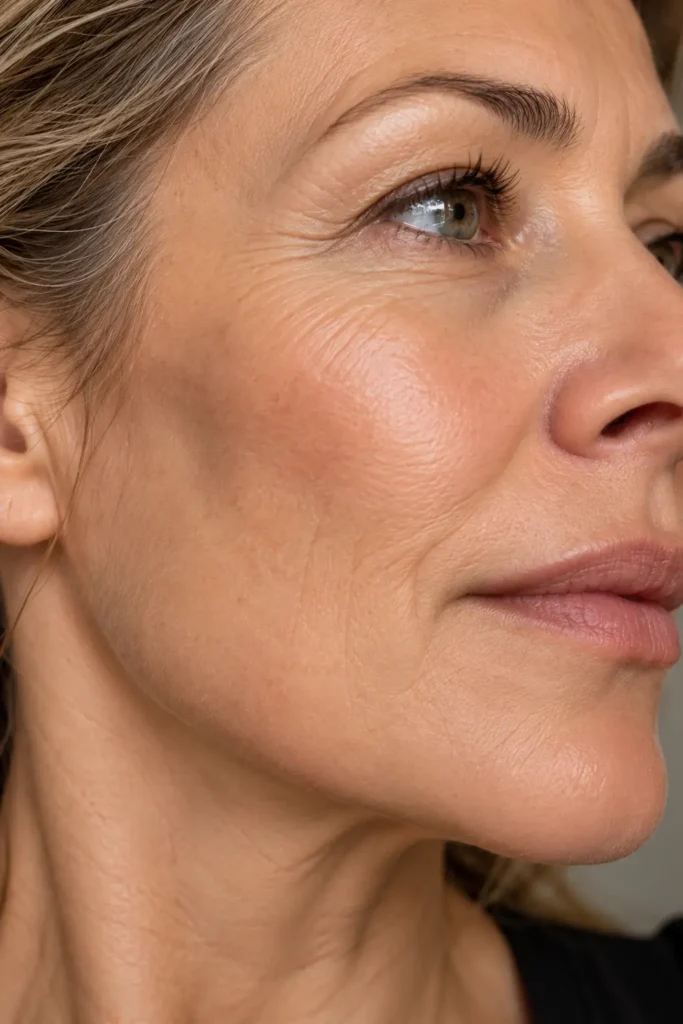
What Is the Best Age for a Face Lift? Signs You Are Ready is a common question among people who notice sagging skin, deeper facial folds, and changes in their jawline. The best age for a facelift is generally between 40 and 60, although some people benefit from surgery earlier or later depending on their facial anatomy, skin elasticity, and aging patterns. Rather than focusing on a specific birthday, the right time for a facelift depends on visible signs of aging, personal expectations, and overall health. Understanding these factors can help you decide whether facial rejuvenation surgery matches your needs.
Table of Contents
ToggleWhat Is the Best Age for a Face Lift?
There is no universal age that guarantees the best facelift results. Everyone ages differently, and genetics, sun exposure, lifestyle habits, and skin quality influence how quickly facial changes develop.
Most people begin considering facelift surgery in their 40s or 50s, when skin laxity and facial sagging become more noticeable. However, some individuals maintain firm facial contours well into their 60s, while others experience significant changes earlier.
For patients considering Face Lift in Istanbul, Turkey, understanding their individual aging patterns is an important first step. A personalized surgical assessment helps determine whether a facelift is appropriate and which technique best addresses existing facial changes.
The most important factor is not your chronological age but your facial aging pattern. A facelift primarily addresses sagging tissues, changes in facial contours, and loose skin around the lower face and neck.
Is 40 Too Young for a Facelift?
Your early 40s may seem young for facial surgery, but age alone does not determine whether you are a suitable candidate.
Some people experience early jowling, reduced jawline definition, or noticeable skin laxity during this period. Genetics, significant weight fluctuations, and changes in facial fat distribution can contribute to these concerns.
For individuals with mild to moderate sagging, a limited facelift or mini facelift may provide sufficient improvement. However, not everyone in their 40s needs surgery. People with minimal skin laxity may prefer nonsurgical treatments until more significant changes develop.
Is 50 the Ideal Age for a Facelift?
The 50s represent a common period for facelift surgery because facial aging often becomes more visible during this decade.
By this stage, many individuals notice deeper nasolabial folds, sagging cheeks, jowls, and reduced definition along the jawline. Skin elasticity also decreases as collagen production gradually declines.
A facelift during your 50s can reposition sagging facial tissues and create smoother facial contours. Many patients choose this age because they want noticeable rejuvenation while maintaining their natural facial characteristics.
However, being 50 does not automatically make someone a suitable candidate. Facial structure, medical history, and personal goals remain more important than age alone.
Can You Get a Facelift After 60?
Yes. Many healthy individuals undergo facelift surgery in their 60s and beyond.
Older patients may have more pronounced skin laxity, deeper wrinkles, and significant changes in facial volume. These concerns sometimes require a more comprehensive surgical approach.
An experienced surgeon evaluates skin condition, underlying facial structures, medical history, and the individual’s ability to recover safely.
For patients over 60, overall health matters more than the number of candles on a birthday cake. A healthy 65-year-old may qualify for surgery, while a younger person with certain medical conditions may face greater surgical risks.
7 Signs You May Be Ready for a Facelift
The decision to undergo facelift surgery usually develops gradually. Small changes in facial appearance may become more noticeable over time, especially when looking at photographs or comparing current features with earlier years.
Certain physical changes can indicate that a facelift deserves consideration.
1. Your Jawline Has Lost Its Definition
A sharp jawline often contributes to a youthful facial appearance. As facial tissues descend, the boundary between the jaw and neck may become less defined.
You might notice small pockets of sagging tissue around the lower cheeks, commonly called jowls.
A facelift can reposition these tissues and restore a more defined lower facial contour.
2. Your Cheeks Appear Lower Than Before
Facial aging involves more than wrinkles. Fat compartments and supporting tissues gradually change position, affecting the shape of the cheeks.
When the cheeks descend, the middle and lower face may appear heavier or less structured.
Facelift techniques that address deeper facial tissues can improve these changes without relying solely on tightening the skin.
3. Deep Facial Folds Have Become More Noticeable
Nasolabial folds extend from the sides of the nose toward the corners of the mouth. Marionette lines develop between the mouth and chin.
These folds often become more prominent as facial tissues lose support.
A facelift may soften certain folds by repositioning surrounding tissues. However, surgery does not completely erase every facial line, and natural facial movements continue after recovery.
4. Loose Skin Around Your Neck Bothers You
The neck often reveals visible signs of aging alongside the lower face.
Loose skin, reduced jawline definition, and visible neck bands can create an appearance that feels inconsistent with how youthful you otherwise look.
Depending on your anatomy, a surgeon may recommend combining a facelift with a neck lift to create smoother transitions between the face and neck.
5. Nonsurgical Treatments No Longer Address Your Concerns
Botox, dermal fillers, and skin-tightening treatments address specific signs of facial aging. However, they cannot reproduce the structural changes of facelift surgery.
If your primary concern involves significant tissue descent rather than isolated wrinkles or volume loss, nonsurgical treatments may offer limited improvement.
This distinction matters because adding more filler does not necessarily correct sagging skin and may create unwanted facial fullness.
6. You Want Natural-Looking, Longer-Lasting Rejuvenation
Many people consider a facelift because they want to look refreshed without dramatically changing their facial identity.
Modern surgical techniques focus on repositioning deeper tissues rather than simply pulling the skin tight.
A well-planned facelift aims to preserve natural expressions while improving facial contours. However, individual anatomy, technique, healing, and the extent of aging influence the final appearance.
7. You Feel Emotionally and Physically Prepared
Physical signs of aging are only part of the decision.
You should understand the recovery process, recognize potential complications, and maintain realistic expectations about the changes surgery can achieve.
A facelift cannot stop aging or guarantee a particular appearance. Choosing surgery because it aligns with your own preferences, rather than external pressure, is an important part of readiness.
What Happens If You Get a Facelift Too Early?
Undergoing facelift surgery before significant facial sagging develops may provide limited visible improvement.
For example, someone in their 30s with good skin elasticity and minimal tissue descent may not gain meaningful benefits from a traditional facelift.
In these situations, targeted treatments addressing skin texture, pigmentation, or localized volume changes may better match the person’s concerns.
Early surgery also introduces unnecessary exposure to anesthesia, scarring, and other surgical risks when the expected improvement is small.
Nevertheless, younger patients with substantial skin laxity following major weight loss or unusual facial aging patterns may have different needs.
A personalized consultation helps distinguish between early aging concerns and structural changes that justify surgery.
What Happens If You Wait Too Long for a Facelift?
Some people delay facelift surgery because they believe they should wait until facial aging becomes severe.
Although there is no strict upper age limit, waiting can change the complexity of the procedure.
Advanced skin laxity, significant tissue descent, and reduced skin elasticity may require a more extensive surgical approach. Older individuals may also develop medical conditions that influence anesthesia and recovery.
However, this does not mean you should rush into surgery.
The goal is to identify a stage when facial changes are meaningful enough to justify an operation while your health and expectations support a safe treatment plan.
Mini Facelift vs. Full Facelift: Which Is Better for Your Age?
Choosing between a mini facelift and a traditional facelift depends primarily on the degree and location of facial aging. While both procedures aim to improve facial contours and reduce visible sagging, they differ in their surgical approach, treatment areas, and extent of correction.
People exploring Facial Surgeries in Turkey often compare these techniques to understand which approach better addresses their concerns. The choice depends on facial anatomy and the extent of tissue descent rather than age alone.
Mini Facelift: Best for Early Signs of Aging
A mini facelift typically targets mild to moderate sagging in the lower face. People in their 40s and 50s often explore this procedure when they notice early jowls or reduced jawline definition.
Key characteristics of a mini facelift include:
Typical age range: Often considered by patients in their 40s and 50s, although age alone does not determine suitability.
Main concerns: Mild to moderate sagging around the jawline and lower cheeks.
Treatment area: Focuses on selected areas of the lower face.
Incisions: Usually involves shorter or more limited incisions than a traditional facelift.
Recovery: May involve a shorter recovery period, depending on the surgical technique.
Expected improvement: Provides targeted correction for early facial sagging rather than extensive facial rejuvenation.
A mini facelift may appeal to individuals who want to address noticeable changes before more advanced facial sagging develops. However, it cannot provide the same degree of correction as a comprehensive facelift.
Full Facelift: Best for More Advanced Facial Sagging
A full facelift addresses more pronounced changes in facial contours and deeper tissue descent. People in their 50s, 60s, and beyond frequently consider this approach, although younger patients with significant facial laxity may also benefit.
Key characteristics of a full facelift include:
Typical age range: Commonly considered by individuals in their 50s through 70s.
Main concerns: Moderate to significant sagging, pronounced jowls, and reduced facial definition.
Treatment area: Addresses broader areas of the lower face and may accompany a neck lift.
Incisions: Generally requires more extensive incisions to access and reposition deeper facial tissues.
Recovery: Often requires a longer initial healing period compared with less extensive techniques.
Expected improvement: Offers more comprehensive correction of facial sagging and changes in facial contours.
Neither procedure is automatically better because of your age. A qualified surgeon evaluates skin elasticity, facial anatomy, and the extent of tissue descent before recommending the most appropriate technique.
How Long Does a Facelift Last at Different Ages?
One of the most common questions patients ask is whether undergoing a facelift earlier will make the improvement last longer.
Facelift improvements often remain noticeable for approximately 7–10 years or longer, although there is no guaranteed duration.
The longevity of your appearance depends on several factors, including genetics, skin quality, surgical technique, sun exposure, smoking, and weight stability.
Someone who undergoes surgery at 45 will continue aging afterward, just as someone who receives a facelift at 60 will.
The difference is that surgery changes the starting point of your facial appearance rather than stopping the aging process.
Maintaining a stable weight, protecting your skin from ultraviolet radiation, and following a consistent skincare routine may help preserve your appearance over time.
How Do You Know If You Are a Good Candidate for Facelift Surgery?
An appropriate facelift candidate generally has visible facial sagging, realistic expectations, and a medical profile that supports surgery.
During a consultation, an aesthetic plastic surgeon examines facial anatomy, skin elasticity, tissue descent, and the relationship between the cheeks, jawline, and neck.
The surgeon also reviews medical conditions, medications, smoking habits, and previous procedures.
Certain health concerns, including poorly controlled cardiovascular conditions or medications that increase bleeding risk, may influence surgical planning.
Patients traveling for facelift surgery should also account for the practical aspects of recovery, including postoperative appointments, travel arrangements, and access to medical care after returning home.
Choosing a qualified surgical team, an appropriately equipped medical facility, and a clear follow-up plan is more important than selecting a procedure based on age or price alone.
How Long Is Facelift Recovery?
Understanding recovery helps you decide whether this is the right time for surgery.
Most patients experience swelling, bruising, tightness, and temporary discomfort during the initial recovery period. These symptoms generally improve gradually over the following weeks.
Many individuals return to desk-based work and light social activities within approximately two to three weeks, depending on the procedure and their healing progress.
However, residual swelling and changes in sensation may continue for several months.
Your surgeon will provide individualized instructions regarding sleeping positions, physical activity, wound care, and follow-up appointments.
Common surgical risks include bleeding, infection, hematoma, nerve injury, unfavorable scarring, and complications related to anesthesia. Some patients also experience temporary numbness or asymmetry.
Allowing enough time for recovery is particularly important for individuals with demanding work schedules or upcoming social events.
Is It Better to Get a Facelift at 45 or 55?
Both ages can represent appropriate times for facelift surgery, but the benefits and surgical needs may differ.
At 45, someone with early jowling and moderate tissue descent might benefit from a more limited approach. Their skin may also retain relatively good elasticity.
At 55, facial sagging may be more pronounced, and a comprehensive facelift may provide a greater visible change.
However, undergoing surgery at 45 does not guarantee better healing, and waiting until 55 does not automatically lead to more dramatic improvement.
The better age is the one at which your facial concerns justify surgery, your health supports the procedure, and your expectations remain realistic.
Rather than asking whether you are old enough for a facelift, consider whether the changes you want to address are structural, whether surgery offers a meaningful advantage over other treatments, and whether you feel prepared for recovery.
Frequently Asked Questions About the Best Age for a Facelift
1. What Is the Most Common Age for a Facelift?
Many people undergo facelift surgery between ages 40 and 60, with the 50s representing a common period for treatment. However, facial aging patterns and individual health determine suitability more accurately than chronological age.
2. Is 35 Too Young for a Facelift?
Most people at 35 do not have enough facial sagging to justify a traditional facelift. However, individuals with significant tissue laxity due to genetics or major weight loss may qualify after a thorough surgical assessment.
3. Is 65 Too Old for Facelift Surgery?
No. Healthy individuals in their 60s and beyond may undergo facelift surgery. A surgeon must assess overall health, medical conditions, medications, and anesthesia risks before recommending treatment.
4. Will a Facelift Make Me Look 10 Years Younger?
A facelift can create a noticeably more youthful appearance by improving sagging facial tissues and contours. However, no procedure guarantees that you will look a specific number of years younger. The degree of improvement varies according to facial anatomy and surgical technique.
5. How Do I Know Whether I Need a Facelift or Fillers?
Fillers primarily address selected areas of volume loss, while facelift surgery repositions sagging facial tissues. If your main concerns include jowls, loose lower-face skin, and reduced jawline definition, a facelift may offer a more appropriate structural correction. A consultation can help determine which treatment best matches your needs.