


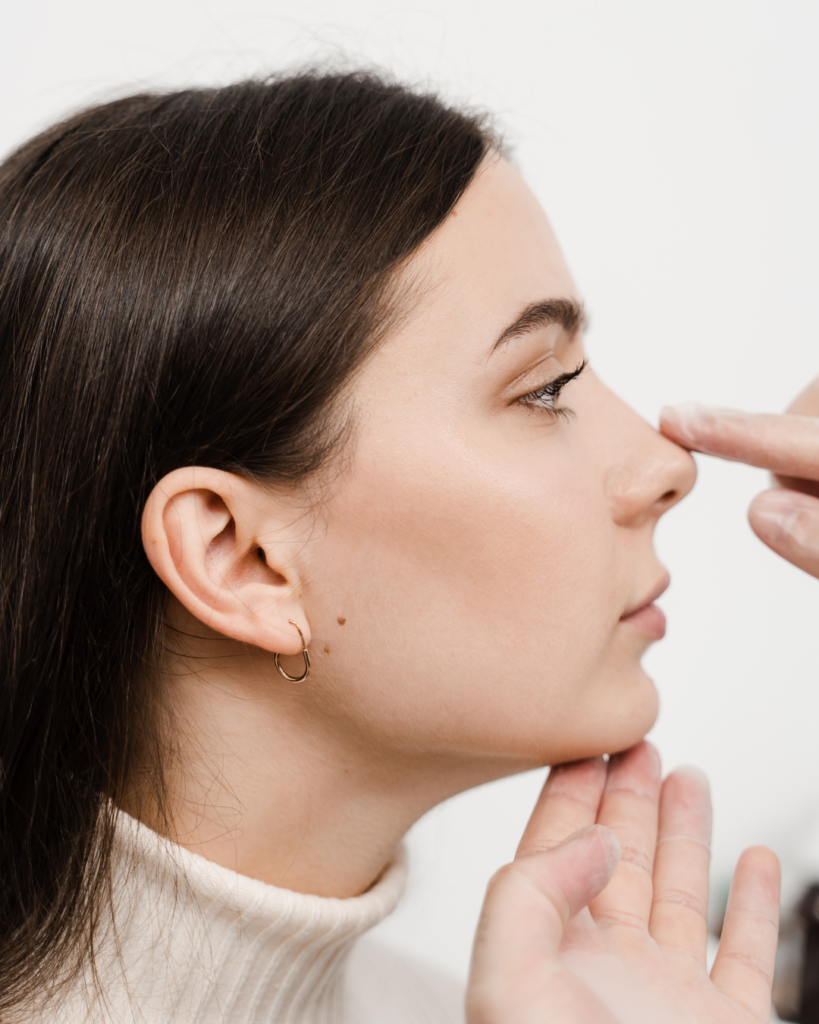
Rhinoplasty, often called a nose reshaping procedure, focuses on improving the balance between the nose and the rest of the face. The nose sits at the center of facial expression, so even a small change can influence overall harmony. People usually research rhinoplasty when they want a softer profile, a more defined nasal tip, or a shape that fits their features more naturally.
The goal of rhinoplasty is not to create a completely different face. Instead, it refines proportions while preserving identity. A well-planned result looks natural, meaning others notice the face looks refreshed without immediately recognizing why.
Why People Consider Rhinoplasty
Many individuals first explore rhinoplasty because of visible concerns. A prominent hump, a drooping tip, wide nostrils, or asymmetry can affect confidence. Some feel their nose draws too much attention in photos or profile views. Others notice that their nose appears larger compared to the chin or forehead.
Rhinoplasty also addresses functional concerns. Structural irregularities inside the nose can restrict airflow and make breathing difficult, especially during sleep or physical activity. In these cases, reshaping the nasal structure can improve both appearance and comfort in daily life.
Understanding Nasal Structure
To understand rhinoplasty, it helps to know how the nose forms its shape. Bone supports the upper third of the nose, while cartilage shapes the middle and lower portions. Skin thickness and elasticity also influence the final contour.
A thinner skin type tends to show subtle refinements more clearly. Thicker skin softens edges and requires careful planning to achieve definition. Because each nose has a unique structure, rhinoplasty never follows a single standard design.
Open vs. Closed Rhinoplasty
Rhinoplasty uses two main surgical approaches: open and closed techniques.
In an open technique, the surgeon makes a small incision at the base of the nose between the nostrils. This method allows direct visibility of the underlying structures and helps with detailed adjustments. It often suits complex reshaping.
In a closed technique, incisions remain inside the nostrils. This approach avoids visible external cuts and usually suits smaller refinements. Both methods aim for precise structural balance rather than dramatic change.
Planning the Procedure
Successful rhinoplasty begins long before surgery. Careful evaluation of facial proportions guides every step. The surgeon studies the relationship between the nose, chin, lips, and forehead. Profile balance matters as much as the front view.
Some people request a very small nose, but harmony remains more important than size alone. A nose that looks attractive on one face may not suit another. Planning focuses on proportion and natural movement rather than copying a specific look.
The Day of Surgery
Rhinoplasty typically takes a few hours. During the procedure, the surgeon reshapes bone and cartilage, refines the nasal tip, and smooths the bridge if necessary. When structural support needs strengthening, cartilage grafts help maintain long-term stability.
After surgery, a protective splint supports the nose while early healing begins. Mild swelling and bruising around the eyes often appear during the first week. These effects gradually improve as recovery progresses.
Recovery and Healing Timeline
The first week mainly focuses on rest and protection. Most people return to daily routines within a short time after the splint removal. Swelling decreases steadily over the following weeks, and breathing comfort usually improves as internal tissues settle.
Rhinoplasty requires patience. Early changes appear quickly, but refinement continues for months. The nasal tip, in particular, needs time to soften and take its final shape. As healing progresses, the nose blends more naturally with facial features.
Long-Term Results
Once healing stabilizes, rhinoplasty offers long-lasting results. The reshaped structure remains part of the facial framework. Natural aging continues to affect skin and soft tissue, yet the improved proportion stays consistent.
A balanced nose often enhances the entire face rather than standing out. People frequently report that their face looks calmer or more proportionate, even though friends cannot immediately identify what changed.
Preparing Before Surgery
Preparation plays an important role in the experience. Clear expectations, open communication, and understanding the healing process help create a smoother journey. Taking time to learn about recovery, swelling stages, and realistic timelines reduces anxiety before surgery.
Rhinoplasty combines technical precision with aesthetic sensitivity. It refines one of the most expressive facial features while respecting individuality. With thoughtful planning and careful healing, the procedure supports facial harmony and helps individuals feel more comfortable with their appearance.
Would You Like to Get Detailed Information About Our Procedures?
Table of Contents
Toggle