

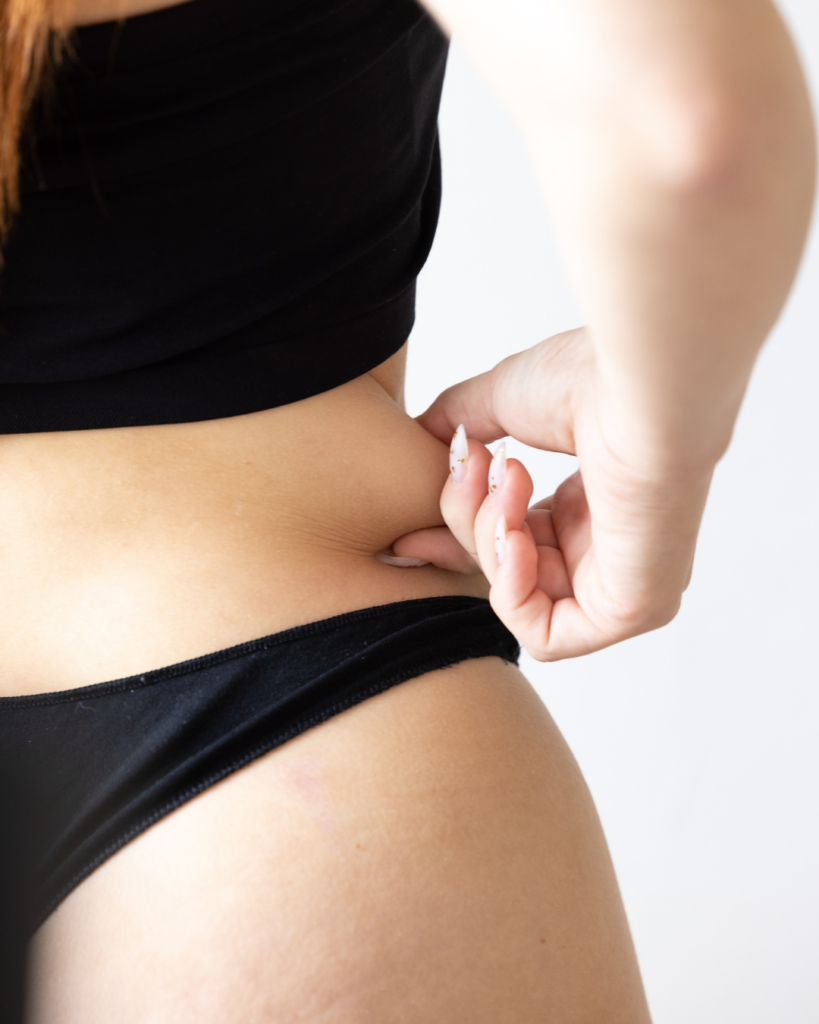
Liposuction is a body contouring procedure that removes localized fat deposits to refine body shape and improve proportions. It does not serve as a weight-loss method. Instead, it targets stubborn fat areas that remain resistant to diet and exercise. Many people explore liposuction when they maintain a healthy lifestyle but still notice specific regions that do not respond to routine efforts.
The goal of liposuction is balance. By reducing excess fat in selected areas, the body’s natural lines become more defined and clothing often fits more comfortably. Rather than changing body identity, the procedure enhances existing contours.
Why People Consider Liposuction
Even with consistent activity and nutrition, certain fat deposits persist due to genetics and body structure. These areas commonly include:
Abdomen and waist
Flanks (love handles)
Back and lower back
Thighs
Arms
Under-chin (submental area)
Liposuction helps reshape these regions by removing excess fat cells. It works best for contour improvement rather than overall body weight reduction.
How Liposuction Works
During liposuction, a thin tube called a cannula enters through very small incisions. The cannula gently breaks up and removes fat tissue from beneath the skin. The surrounding tissues remain intact while the targeted fat decreases, allowing the area to appear slimmer and more proportionate.
Different techniques may assist the process by softening fat tissue and improving precision. Regardless of the method, the principle stays the same: controlled removal of fat to sculpt the body’s natural silhouette.
Planning the Treatment
Careful planning determines the final appearance. The surgeon evaluates body proportions, skin elasticity, and the distribution of fat. Instead of treating a single spot in isolation, the approach considers how neighboring areas connect visually.
For example, shaping the waist may enhance the transition between the abdomen and hips. Contouring the chin area may improve jawline definition. Balance between regions often matters more than the amount of fat removed.
Recovery and Healing
After liposuction, swelling and mild soreness appear during the early days. Compression garments support the treated areas and help the body adapt to its new contour. Most individuals return to light daily routines within a short time.
As weeks pass, swelling gradually decreases and definition becomes clearer. The body needs time to settle, and the final contour appears progressively rather than immediately.
Long-Term Results
Liposuction removes fat cells from the treated regions, which provides long-lasting contour improvement. Stable weight and consistent habits help maintain results. While the body still stores fat naturally, it distributes differently after contouring.
Many people notice smoother transitions between body areas and a more defined waistline. The effect often appears natural because it follows the body’s existing shape rather than creating artificial lines.
Expectations and Considerations
Good candidates understand that liposuction refines shape rather than replaces healthy habits. It complements lifestyle efforts instead of substituting them. Individuals with good skin elasticity often see smoother results because the skin adapts more easily to the new contour.
Patience also plays a role. Early swelling may hide definition at first, but improvement becomes clearer over time as healing progresses.
A Contouring-Focused Approach
Liposuction focuses on shaping rather than shrinking the body. By removing resistant fat deposits and improving proportions, it enhances natural curves and transitions. The intention is a balanced silhouette that feels consistent with the person’s overall appearance, allowing the change to look subtle yet noticeable.
Would You Like to Get Detailed Information About Our Procedures?