


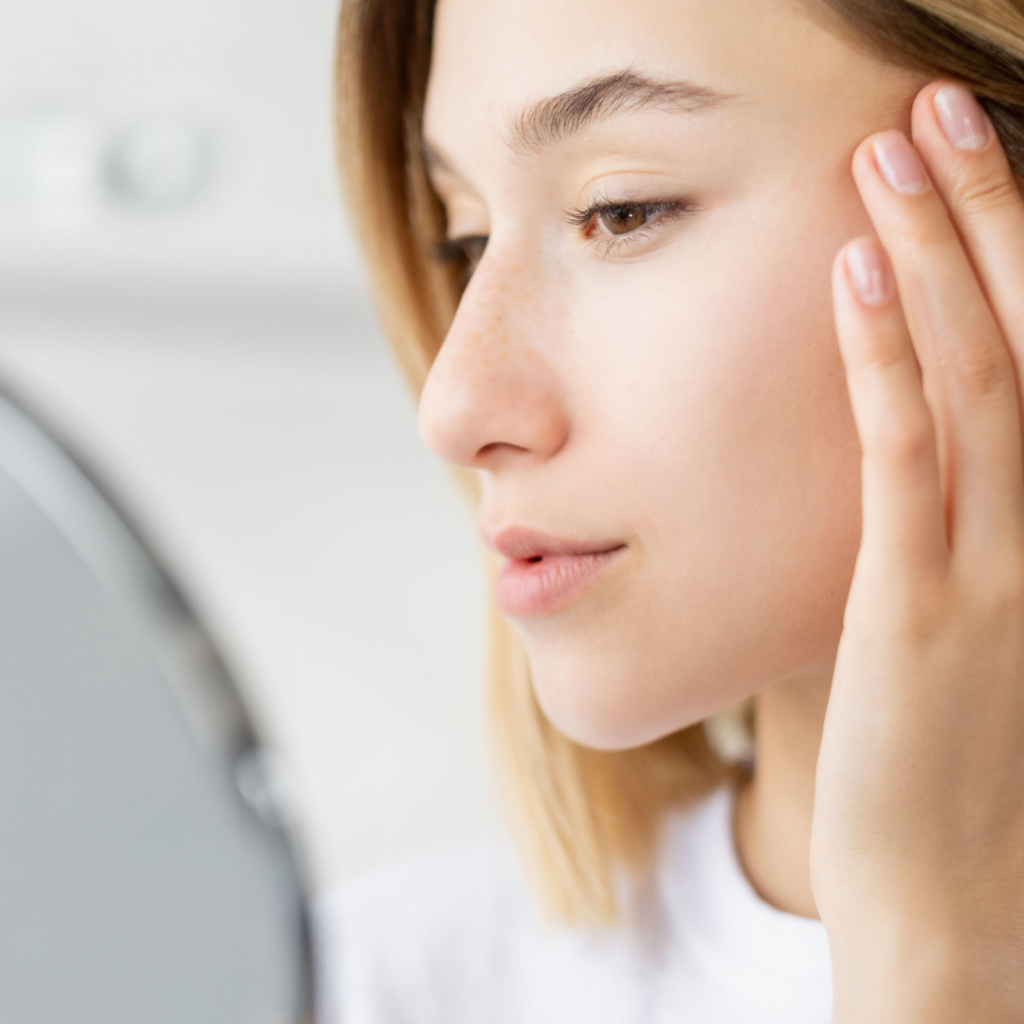
Facial aging does not affect the skin alone. Over time, the cheeks begin to descend, the jawline loses definition, the folds around the mouth become more noticeable, and the neck may start to look heavier. Because of this, facelift techniques are not all built on the same logic. Some approaches focus more on tightening the surface, while others aim to reposition deeper facial structures in a more comprehensive way.
This is exactly why the deep plane approach has become one of the most discussed facelift techniques in recent years. People who research facial rejuvenation often want to understand not only what a facelift can improve, but also why one technique may create a softer, more natural result than another. The answer usually begins with one simple question: which layer of the face is actually being treated?
Deep Plane Facelift is a facelift technique designed to reposition deeper facial tissues rather than relying mainly on skin tightening. In this approach, the goal is not to create a pulled appearance. Instead, it aims to lift and restore the facial structures that have shifted downward with time, especially in the midface, lower face, and jawline.
How Is a Deep Plane Facelift Different in Principle?
The key difference lies in the depth of treatment. In more traditional facelift approaches, the skin and some of the underlying supportive tissue may be tightened or adjusted in a more limited way. In a deep plane facelift, the release and repositioning happen at a deeper structural level. This allows the cheek area, nasolabial region, and jawline to be addressed as a connected unit rather than as separate surface concerns.
That difference matters because facial aging is rarely isolated to one visible line or one patch of loose skin. The face ages as a system. When deeper tissues descend, the skin follows. So if only the surface is tightened, the result may look improved, but it may not always address the real source of heaviness or loss of contour. Deep plane techniques are often discussed in this context because they are built around tissue repositioning rather than surface tension alone.
Which Areas Can Be More Noticeably Affected?
One of the reasons this technique gets so much attention is that it can be especially relevant for areas that are difficult to improve with surface-level tightening alone.
Table of Contents
ToggleMidface and Cheek Position
As the cheeks descend, the face can start to look flatter, heavier, or more tired. The transition between the lower eyelid and cheek may become longer, and the fullness that once sat higher on the face may move downward. A deep plane facelift is often associated with stronger improvement in this area because it addresses the deeper structures that support cheek position.
Nasolabial Folds
These folds are not just a skin issue. They often become more visible because the cheek tissue above them has moved downward over time. That is why techniques that reposition the deeper facial plane may affect this region differently from methods focused more on tightening the surface.
Jawline and Lower Face
A softer jawline, jowl formation, and heaviness around the mouth are some of the most common reasons people start thinking about a facelift. Deep plane techniques are often discussed for lower-face rejuvenation because they can create a more connected improvement from the cheek down to the jawline.
Neck Transition
Although the neck may sometimes need separate support depending on the degree of laxity, lower-face aging and neck heaviness often influence each other. In patients where the face and neck need to be seen as a whole, a deeper lifting approach may feel more complete.
Why Is It Often Described as More Natural?
The word “natural” is probably one of the most overused terms in facial aesthetics, but it matters here. A natural result does not mean invisible change. It means the face looks more refreshed, more supported, and more balanced without looking disconnected from the person’s identity.
Deep plane facelift is often described this way because it is not based mainly on pulling the skin tighter. When deeper tissues are lifted and repositioned, the outer appearance can look softer and less strained. The face may appear rested rather than obviously altered. That said, natural results do not come from technique name alone. Facial anatomy, skin quality, aging pattern, and overall planning all play a major role.
Is It Better Than Other Facelift Techniques?
This is one of the most common questions, but it should be handled carefully. Deep plane facelift is not automatically “better” for every face. It is more accurate to say that it may be more suitable for certain facial structures and certain aging patterns.
Some people have more visible descent in the midface and heavier soft-tissue movement in the lower face. In those cases, a deeper lifting strategy may make more sense. Others may need a different kind of facelift planning depending on skin quality, age-related changes, facial volume, or neck anatomy. So the real comparison is not about which technique sounds more advanced. It is about which technique matches the face in front of it.
How Does It Compare With More Traditional Facelift Methods?
Traditional facelift techniques can still be highly effective. They are not outdated simply because deeper-plane approaches are more frequently discussed now. The difference is that the surgical philosophy is not always the same.
A more traditional approach may focus more on tightening and redraping tissues in a more limited plane. A deep plane facelift is generally associated with broader release and repositioning of connected facial tissues. This can make a visible difference in how the midface, jawline, and folds around the mouth respond.
Still, it is not useful to frame the comparison as one “good” technique versus one “bad” technique. Facial rejuvenation is not that simple. A result that looks beautiful on one face may not be the ideal strategy for another.
Who Usually Becomes Interested in This Technique?
Deep plane facelift often attracts people who feel that their face looks tired, heavy, or less defined even when the skin itself is not the only issue. They may notice that their cheeks have dropped, their jawline looks softer, or their lower face feels visually heavier than before. Many are not looking for dramatic change. They want to look fresher without losing facial character.
This is why the technique is often appealing to those who care about subtle sophistication rather than obvious transformation. The goal is usually not to change the face into something new. It is to restore support, shape, and harmony in a way that still feels like the same person.
Why Has Deep Plane Facelift Become So Popular?
Part of the reason is simple: people today are more informed. They are not just asking whether a facelift lifts. They are asking how it lifts, what part of the face is actually being treated, and why some results look softer than others. That has made technique-specific research much more common.
Another reason is the growing preference for results that do not look overdone. The idea of facial rejuvenation has shifted. Many people now want improvement that feels elegant, balanced, and believable. Deep plane facelift is often part of that conversation because it is associated with structural repositioning instead of a surface-pulled effect.