


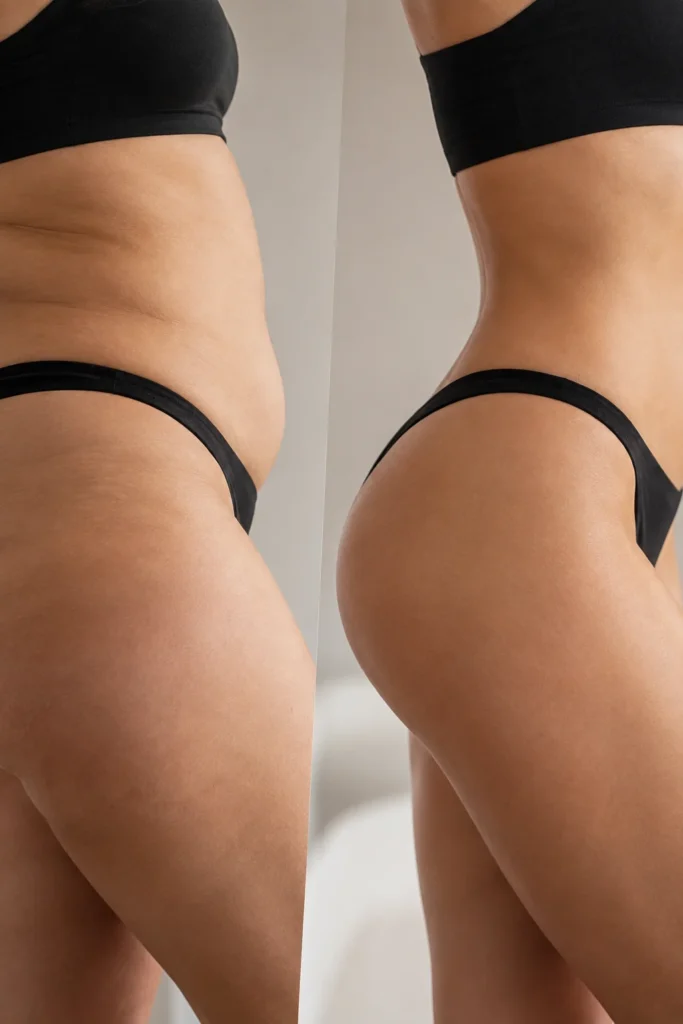
Vaser Liposuction vs Traditional Liposuction: What Is the Difference? The main difference lies in how each technique targets and removes fat. Traditional liposuction physically breaks up and removes fat through a cannula, while Vaser liposuction uses ultrasound energy to help separate fat cells from surrounding tissues before extraction. This difference can influence precision, body contouring possibilities, recovery, and the way surgeons approach specific treatment areas. Neither technique automatically suits everyone better, so the right choice depends on your anatomy, treatment goals, skin quality, and the areas you want to reshape.
Many people researching liposuction initially focus on one question: “Which technique removes more fat?” In practice, the decision involves much more than the amount of fat removed. Liposuction aims to improve body proportions and contour rather than simply reduce body weight. Understanding how Vaser and traditional liposuction work can therefore help you approach your consultation with more realistic expectations.
Table of Contents
ToggleWhat Is Vaser Liposuction and How Does It Work?
Vaser liposuction uses ultrasound-assisted technology during fat removal. The surgeon introduces ultrasound energy into the targeted area, helping loosen fat cells from surrounding structures. The surgeon can then remove the loosened fat through a thin cannula.
One of the main reasons people consider Vaser is the level of control it can provide during body contouring. When someone wants more detailed definition around areas such as the abdomen, waist, back, arms, or thighs, the surgeon may use this technology to work strategically around natural body contours.
Vaser does not mean “non-surgical liposuction.” It remains a surgical procedure and requires proper patient assessment, surgical planning, postoperative care, and recovery.
The technology itself also does not guarantee a particular aesthetic outcome. A surgeon still needs to decide how much fat to remove, where to preserve volume, and how different body areas should transition into one another. This makes surgical planning just as important as the device or technique.
How Does Traditional Liposuction Work?
Traditional liposuction, often called suction-assisted liposuction, removes localized fat through a cannula connected to a suction system. The surgeon moves the cannula through the targeted fat layer and removes fat while shaping the area.
Surgeons have used this approach for decades, and it remains an established option for body contouring. It can address areas such as the abdomen, hips, thighs, arms, back, waist, and other regions where localized fat deposits affect body proportions.
Traditional liposuction does not use ultrasound energy to separate the fat before removal. Instead, the surgeon relies more directly on cannula movement and suction.
For patients with suitable anatomy and realistic expectations, this approach can create meaningful changes in body contour. The surgeon’s technique, understanding of anatomy, and ability to maintain smooth transitions between treated and untreated areas strongly influence the final appearance.
Vaser Liposuction vs Traditional Liposuction: Key Differences
Although both procedures aim to remove unwanted localized fat and reshape the body, their technical approaches differ.
Vaser liposuction uses ultrasound energy before fat extraction. Traditional liposuction relies primarily on mechanical movement and suction. This technical difference can affect how a surgeon approaches areas that require detailed contouring.
Another difference involves precision. Vaser technology can help surgeons target fat while planning more detailed body sculpting, particularly when the goal includes emphasizing existing anatomical lines. Traditional liposuction can also create smooth and balanced contours, especially when the patient mainly wants to reduce localized fat volume.
However, “more advanced technology” does not automatically mean “better procedure.” A newer or more technology-driven method still needs to match the patient’s body and goals.
The amount and distribution of fat, skin elasticity, muscle structure, previous surgeries, general health, and desired appearance all influence the decision.
Does Vaser Liposuction Give More Defined Results?
This question often appears among people who want an athletic or sculpted appearance.
Vaser can support detailed body contouring because ultrasound-assisted fat separation allows the surgeon to work selectively in specific areas. For example, someone seeking abdominal definition may need more than simple fat reduction. The surgeon needs to consider natural muscle lines, existing fat distribution, waist proportions, and the relationship between the abdomen and surrounding areas.
That does not mean every Vaser patient will develop visible abdominal definition. Your starting anatomy still matters.
If someone has significant skin laxity, for example, removing fat alone may not create the tight contour they expect. Likewise, muscle anatomy, overall body fat level, and skin quality influence how much definition becomes visible.
An experienced aesthetic plastic surgeon evaluates these factors before recommending a technique rather than choosing a procedure based solely on its name or popularity.
Which Technique Is Better for Larger Amounts of Fat?
People frequently assume that Vaser suits small areas while traditional liposuction suits larger areas. In reality, the distinction is not always that simple.
Surgeons can use different liposuction techniques across a range of treatment areas. The appropriate approach depends on the volume and location of fat, patient anatomy, treatment plan, safety considerations, and the surgeon’s preferred technique.
More fat removal also does not necessarily create a better aesthetic result.
Aggressive fat removal can compromise natural proportions if the surgeon does not maintain balance between different body regions. Body contouring focuses on shape, not simply volume. Removing the right amount of fat from the right areas often matters more than removing the maximum possible amount.
Patients considering Liposuction in Turkey should therefore look beyond package descriptions or technique names and focus on individualized surgical planning, surgeon qualifications, facility standards, follow-up care, and realistic expectations.
Is Recovery Different After Vaser and Traditional Liposuction?
Recovery varies from person to person, regardless of the technique.
Both procedures can cause swelling, bruising, tenderness, temporary numbness, and a feeling of tightness in the treated areas. These effects generally change gradually as the body heals.
The number and size of treatment areas also matter. Someone who undergoes liposuction in one small area will usually experience a different recovery process from someone who has several body regions treated during the same operation.
During the early recovery period, swelling can temporarily hide the new contour. For this reason, patients should not judge their final appearance immediately after surgery.
Your surgeon may recommend a compression garment, specific sleeping positions, walking, activity restrictions, wound care, and follow-up appointments according to your procedure. Following these instructions plays an important role in recovery.
When comparing Body Surgeries in Turkey, patients should consider postoperative support as carefully as the surgery itself, particularly when international travel forms part of the treatment plan.
Does Vaser Liposuction Tighten Loose Skin?
Vaser liposuction and skin tightening often appear together in online discussions, which can create unrealistic expectations.
Removing fat can change the relationship between the skin and underlying tissues, but liposuction does not replace procedures specifically designed to remove substantial excess skin.
People with good skin elasticity may notice that their skin adapts well to their new contour after swelling decreases. Someone with significant loose skin, however, may still have laxity after fat removal.
This becomes particularly important around the abdomen, upper arms, inner thighs, and other areas where skin quality varies significantly between patients.
Age can influence skin elasticity, but it does not tell the whole story. Genetics, weight fluctuations, pregnancy history, sun exposure, smoking history, and previous procedures can also affect skin quality.
A physical examination gives the surgeon much more useful information than age alone.
Can Vaser or Traditional Liposuction Help With Weight Loss?
Liposuction is not primarily a weight-loss procedure.
Both Vaser and traditional liposuction focus on body contouring. They target localized fat deposits that affect shape and proportions rather than serving as a substitute for overall weight management.
A patient may notice a change on the scale after surgery, especially when several areas receive treatment, but body shape provides a more relevant measure of the procedure’s aesthetic effect.
This distinction matters because unrealistic weight-loss expectations can lead to disappointment even when the contour improves significantly.
If your main goal involves reducing overall body weight rather than reshaping specific areas, your surgeon may recommend addressing weight management before considering liposuction.
Which Areas Can Vaser and Traditional Liposuction Treat?
Surgeons can use liposuction on many areas of the body where localized fat affects contour.
Common treatment areas include:
Abdomen
Waist and flanks
Back
Hips
Inner and outer thighs
Upper arms
Chin and neck area
Chest in selected cases
Knees
Lower back
Patients frequently combine several areas to create better balance. Treating the abdomen alone, for example, may not create the desired waist definition if the flanks also contribute to the overall silhouette.
This is why surgeons usually assess the body as a whole rather than viewing each treatment area separately.
Who Is a Good Candidate for Liposuction?
Good candidates generally have localized fat deposits that remain despite lifestyle efforts and want to improve body proportions rather than achieve dramatic weight loss.
General health also matters. Your surgeon reviews your medical history, current medications, previous operations, smoking habits, and other relevant factors before determining whether surgery suits you.
Realistic expectations remain equally important.
Liposuction can reshape specific areas, but it cannot completely control skin quality, muscle anatomy, natural asymmetry, or future weight changes. Understanding these limitations helps patients make more informed decisions.
Vaser or Traditional Liposuction: How Do You Choose?
Choosing between Vaser and traditional liposuction starts with your anatomy rather than the name of the procedure.
Someone seeking subtle fat reduction may have different needs from someone interested in more detailed abdominal or waist contouring. Similarly, a patient with excellent skin elasticity requires a different surgical strategy from someone with significant loose skin.
During consultation, useful questions include:
Which technique suits my anatomy?
What level of contour change can I realistically expect?
How much fat do you plan to remove?
Will skin laxity affect my result?
Which areas should we treat together for balanced proportions?
What will my recovery involve?
When can I return to work and exercise?
What changes should I expect during the first few months?
A personalized assessment provides far more useful guidance than choosing a procedure because it appears newer, more popular, or more frequently advertised online.
Frequently Asked Questions
1. Is Vaser Liposuction Better Than Traditional Liposuction?
Neither technique universally ranks as the better choice. Vaser can offer advantages when detailed contouring forms part of the treatment goal, while traditional liposuction remains an effective approach for removing localized fat and improving body shape. Your anatomy and goals determine which approach makes more sense.
2. Does Vaser Liposuction Hurt Less Than Traditional Liposuction?
Pain and discomfort vary between patients. Treatment area, procedure extent, individual pain sensitivity, anesthesia, and postoperative care all influence the experience. Patients can expect some soreness, swelling, and tightness after either technique.
3. How Long Does Swelling Last After Liposuction?
Swelling usually changes gradually rather than disappearing at once. Patients often notice more swelling during the early recovery period, followed by progressive improvement over the following weeks. Residual swelling can take longer to settle, so the contour continues to change during recovery.
4. Can Fat Come Back After Vaser or Traditional Liposuction?
Liposuction removes fat cells from treated areas, but remaining fat cells can still enlarge if you gain weight. Maintaining a relatively stable weight after surgery helps preserve the contour. Future weight changes, pregnancy, aging, and lifestyle factors can alter the appearance over time.
5. How Long Does It Take to See the Final Liposuction Result?
You may notice an initial difference once early swelling starts to decrease, but the body needs time to settle. The treated areas typically become more defined gradually as swelling resolves and tissues adapt. Your surgeon can give you a more individualized timeline based on the extent of your procedure and your healing process.