


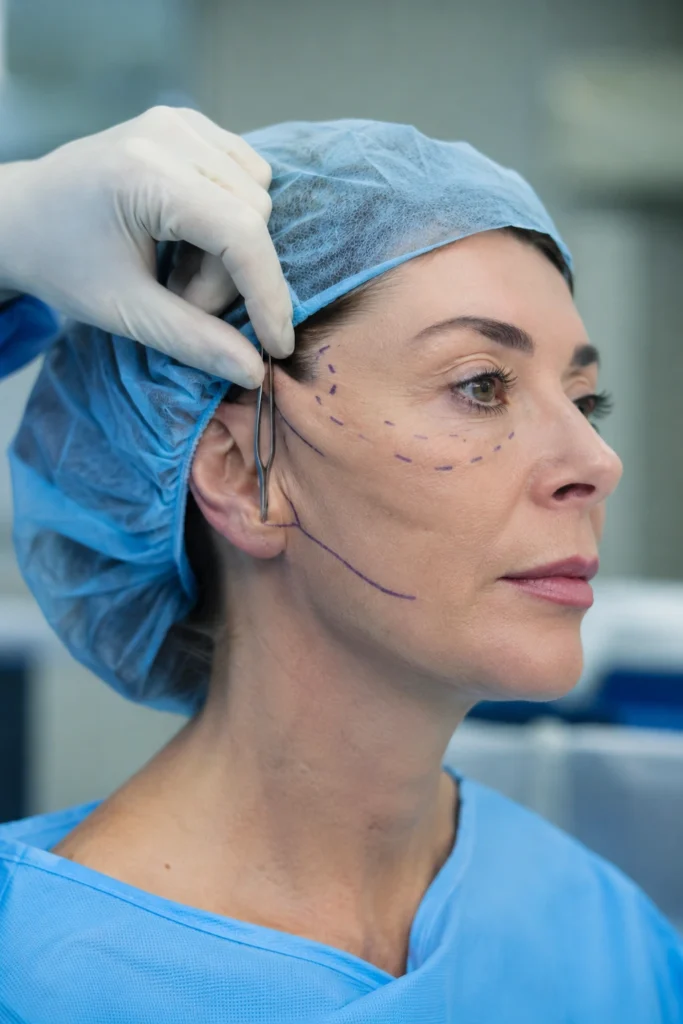
Midface Lift Recovery: Healing Stages and What to Expect Week by Week explains how the cheeks, under-eye area, and central facial tissues gradually heal after surgery. During the first few days, swelling, bruising, tightness, and temporary numbness usually feel most noticeable. These effects then decrease week by week, while the cheeks settle into a softer and more natural position. Most patients return to many daily activities within two to three weeks, although subtle swelling and tissue adaptation can continue for several months.
A midface lift focuses on the central portion of the face rather than the jawline alone. The procedure lifts descended cheek tissues, improves the transition between the lower eyelid and cheek, and restores more youthful facial contours. Because the surgeon works beneath the skin and repositions deeper tissues, the face needs time to recover both on the surface and beneath it.
Every patient follows a slightly different healing pattern. Surgical technique, skin quality, age, general health, postoperative care, and whether the surgeon combines the operation with another procedure all influence the timeline. A patient who undergoes an isolated midface lift may progress differently from someone who combines it with eyelid surgery, a brow lift, fat transfer, or a full facelift.
Table of Contents
ToggleThe First 24 to 72 Hours After a Midface Lift
The first three days represent the most intensive stage of midface lift recovery. Swelling starts soon after surgery and often becomes more noticeable during the second or third day. Bruising may appear beneath the eyes, across the upper cheeks, or along the sides of the face.
Patients often describe tightness, fullness, pressure, or mild pulling rather than severe pain. Prescribed medication usually helps control discomfort. Temporary numbness may affect the cheeks, temples, or lower eyelid area because surgery disturbs small sensory nerves. Sensation generally returns gradually as the tissues heal.
During this stage, patients should rest with their head elevated. Sleeping on the back with several pillows can help limit pressure on the cheeks and reduce fluid accumulation. The surgeon may recommend cold compresses during the early period, but patients should avoid pressing ice directly against the skin.
Facial movements may feel restricted. Smiling, chewing, and opening the mouth widely can produce a sense of tension. Soft foods often make the first few days more comfortable. Drinking enough water and eating protein-rich meals also support the healing process.
Swelling and bruising after facial lifting procedures commonly reach their most noticeable level around the third or fourth day. These effects then begin to decrease gradually rather than disappearing at once.
Patients should avoid judging their appearance during these early days. Swelling may look uneven, and one cheek may appear higher or fuller than the other. Temporary asymmetry rarely reflects the final result because each side can retain fluid differently.
Week One: Swelling, Bruising and Early Tissue Healing
During the first week, the body directs energy toward repairing the surgical area. Puffiness around the cheeks and lower eyelids remains normal. Bruising may change from dark purple or blue to green, yellow, or light brown as the body clears trapped blood beneath the skin.
The face can look wider, rounder, or unusually lifted during this period. The cheeks may appear firm, and facial expressions may not feel natural yet. Patients sometimes notice that their smile looks different because swelling limits muscle movement. These temporary changes usually improve as inflammation decreases.
The surgeon may schedule the first follow-up appointment within several days. During this visit, the medical team can examine the incisions, monitor swelling, remove or adjust dressings, and confirm that healing follows the expected pattern.
Light walking around the home supports circulation and helps reduce the risk of blood clots. However, bending forward, lifting heavy objects, intense housework, and strenuous exercise can increase blood pressure in the face and worsen swelling. Patients should follow their surgeon’s exact activity restrictions.
Incisions often sit near the hairline, temple, eyelid, or inside the mouth, depending on the chosen surgical technique. Patients should keep these areas clean according to their postoperative instructions. They should also avoid applying makeup, skincare acids, retinoids, or fragranced products until the surgeon allows them.
Week Two: A More Presentable Appearance Begins to Return
By the second week, many patients notice a clear reduction in bruising and swelling. The cheeks still feel firm or numb, but the face usually begins to look more familiar. Residual discoloration can remain beneath the eyes or along the cheekbones.
Many people feel comfortable returning to desk-based work after ten to fourteen days. Those who work in physically demanding jobs or regularly meet clients may need additional recovery time. Makeup can often cover mild bruising once the incisions have healed sufficiently and the surgeon has approved cosmetic products.
Medical guidance for facelift recovery commonly notes that visible bruising and swelling can last for approximately two to three weeks, although individual recovery speed varies.
At this stage, patients may experience itching, tingling, brief shooting sensations, or patches of reduced sensitivity. These sensations often accompany nerve recovery. The skin may also feel tight when smiling or speaking for long periods.
Patients considering a Midface Lift in Turkey should plan enough time for both the procedure and the first postoperative checks. Returning home too quickly can make follow-up care more complicated. A realistic travel plan should include surgeon approval, access to medical support, and enough time for early swelling to settle.
Even when the face looks presentable, deeper tissues remain fragile. Patients should continue avoiding heavy exercise, facial massage, saunas, steam rooms, and any activity that places pressure on the cheeks.
Weeks Three and Four: Facial Contours Start to Soften
During weeks three and four, most visible bruising fades significantly. Swelling continues to decrease, and the cheek contours begin to look softer. Friends or colleagues may no longer notice obvious signs of surgery, although the patient can still detect subtle puffiness or tightness.
The midface may initially look slightly overcorrected. Surgeons often position tissues with long-term settling in mind, so a high or firm appearance during the first month does not necessarily indicate an unnatural result. As inflammation subsides, the cheeks gradually move into a more balanced position.
Patients may return to more social activities during this period. Many can also resume gentle exercise after receiving permission from their surgeon. Walking and low-impact movement usually come first. Heavy weightlifting, high-intensity training, running, and inverted yoga poses may require more time.
Incision lines can appear pink, firm, or slightly raised. This early scar appearance often improves gradually. Sun protection plays an important role because ultraviolet exposure can darken healing scars and prolong redness. A hat, shade, and surgeon-approved sunscreen can protect the treated area.
Some patients notice small areas of firmness beneath the skin. These may reflect normal swelling or scar tissue formation. Patients should not massage these areas unless their surgeon specifically recommends a technique. Aggressive rubbing can irritate healing tissues.
Weeks Five to Eight: The Face Looks Increasingly Natural
Between the fifth and eighth weeks, the cheeks usually feel less tight, and facial expressions become more natural. Most patients return to their usual work, exercise, and social routines during this stage.
Subtle swelling may remain around the lower eyelids or upper cheeks, especially in the morning. Salt intake, alcohol, heat, poor sleep, and intense activity can temporarily make puffiness more noticeable. This does not always indicate a problem. The lymphatic system continues clearing residual fluid from the surgical area.
Numbness often improves during this period, although small patches can persist. Sensory recovery does not always happen evenly. One side may regain sensation faster than the other.
The benefits of a midface lift become easier to appreciate as the tissues soften. Patients may notice:
Fuller and more elevated cheeks
A smoother transition between the lower eyelids and cheeks
Reduced prominence of deep nasolabial folds
Less tired-looking central facial features
Better balance between the cheeks and lower face
Patients researching Midface Lift in Turkey often focus on the surgeon, hospital, accommodation, and travel arrangements. Recovery planning deserves equal attention. Follow-up access, postoperative instructions, flight timing, and communication with the surgical team all affect the overall experience.
Months Two and Three: Residual Swelling Continues to Fade
By the second or third month, most patients see a close approximation of their expected result. The face looks more settled, and the lifted tissues blend more naturally with surrounding areas.
Swelling can persist longer than patients expect because a midface lift changes deeper structures. Even when the face appears healed externally, the internal tissue layers continue reorganising. Minor differences between the two sides may gradually improve during this process.
Patients may still feel tightness when making exaggerated facial expressions. Small areas of numbness, tingling, or firmness can also remain. These symptoms often become less noticeable over time.
Photographs can help patients track progress more accurately. Daily mirror checks sometimes create unnecessary concern because small changes remain difficult to notice from one day to the next. Comparing monthly photographs usually provides a clearer view of improvement.
A healthy routine supports long-term healing. Patients should protect their skin from the sun, avoid smoking, eat balanced meals, stay hydrated, and follow a consistent skincare programme approved by their surgeon.
Months Three to Six: Final Refinement of the Midface
Between three and six months, the cheeks continue to soften and settle. Incisions fade, sensation improves, and residual swelling becomes increasingly difficult for others to notice.
The face should no longer look tight or operated on. Instead, the midface usually appears refreshed, supported, and more harmonious. A well-planned procedure should preserve recognisable facial characteristics rather than create a completely different appearance.
Some patients reach their stable appearance sooner, while others need six months or longer. Healing speed depends on the extent of surgery and the body’s natural response. Patients who combine several procedures often experience a longer recovery period.
During follow-up appointments, the surgeon can evaluate cheek position, scar quality, symmetry, eyelid support, facial movement, and patient satisfaction. These visits also give patients an opportunity to discuss any persistent concerns.
What Can Slow Down Midface Lift Recovery?
Several factors can extend the recovery timeline. Smoking reduces blood flow and interferes with tissue repair. Alcohol can increase swelling and interact with medication. Poor nutrition may limit the protein, vitamins, and minerals that the body needs for healing.
Returning to strenuous activity too soon can also increase bruising or inflammation. Patients sometimes feel physically well before the deeper tissue layers regain full strength. Following the surgeon’s restrictions protects the internal repair even when the face looks normal.
Other factors that can influence recovery include:
Combining the midface lift with additional procedures
A tendency to retain fluid
Previous facial surgery
Certain medical conditions
Blood-thinning medication or supplements
Excessive sun or heat exposure
Sleeping directly on the treated area
Skipping follow-up appointments
Patients should give their surgeon a complete list of medications, vitamins, and herbal products before surgery. They should not stop prescription medication without medical guidance.
Warning Signs During Midface Lift Recovery
Normal recovery includes swelling, bruising, tightness, temporary numbness, mild discomfort, and changes in facial sensation. However, certain symptoms require prompt communication with the surgical team.
Patients should contact their surgeon if they notice sudden one-sided swelling, rapidly increasing pain, heavy bleeding, foul-smelling drainage, spreading redness, fever, breathing difficulty, vision changes, or an incision that opens.
A cheek that suddenly becomes much larger, firmer, or more painful than the other side also requires medical assessment. Early communication allows the surgical team to evaluate the situation and provide appropriate guidance.
Patients should use their surgeon’s instructions as the primary reference throughout recovery. General timelines describe common experiences, but they cannot replace personalised medical advice.
Frequently Asked Questions About Midface Lift Recovery
1. How long does swelling last after a midface lift?
Most visible swelling decreases during the first two to three weeks. Mild puffiness can remain for several months, especially around the lower eyelids and upper cheeks. The final traces often fade gradually rather than disappearing on a specific day.
2. When can I return to work after a midface lift?
Many patients return to desk-based work within ten to fourteen days. People with physically demanding jobs or highly public-facing roles may prefer two to three weeks. The surgeon can recommend a more accurate timeline based on the procedure and the patient’s progress.
3. When will my face look natural after surgery?
The face often begins to look socially presentable within two to four weeks. A more natural softness usually develops over six to twelve weeks. Final refinement may continue for three to six months.
4. Can I sleep on my side after a midface lift?
Patients generally need to sleep on their back with the head elevated during the early recovery period. Side sleeping can place pressure on the cheeks and contribute to uneven swelling. The surgeon should confirm when normal sleeping positions can safely resume.
5. When can I exercise after a midface lift?
Light walking usually starts soon after surgery. Patients often resume gentle exercise after several weeks, while strenuous training and heavy lifting may require four to six weeks or longer. The exact timing depends on healing progress and the surgeon’s instructions.