


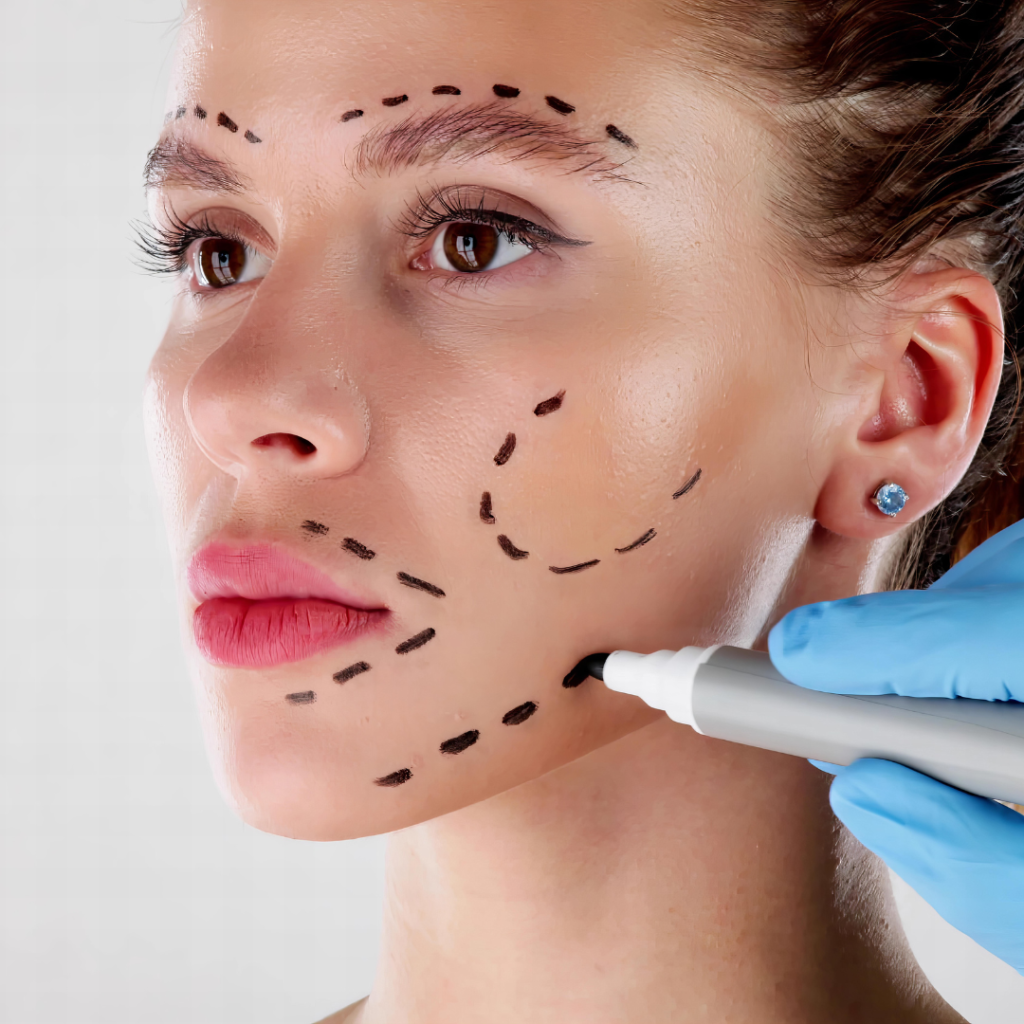
A facelift is one of the most effective ways to restore a refreshed, balanced appearance to the face. Many people become curious about this procedure when they notice sagging skin, deep folds, or a loss of definition that does not reflect how energetic they feel inside. Understanding how a facelift is performed helps remove uncertainty and allows patients to approach the process with confidence.
Facial aging happens gradually. Skin loses elasticity, deeper tissues shift downward, and natural volume changes over time. A facelift focuses on these deeper structural changes rather than only tightening the skin. This approach allows the face to look smoother and more lifted while still maintaining natural facial expression.
What a Facelift Aims to Improve
A facelift targets the lower and mid-face areas where aging often becomes most visible. These areas include the cheeks, jawline, and the folds around the mouth. As the skin and underlying tissues descend, the face can appear heavier or tired.
Rather than stretching the skin, modern facelift techniques reposition the deeper support layers of the face. This method creates a more natural and longer-lasting improvement. The goal remains simple: to restore balance and definition without changing the individual’s unique features.
Planning Before the Procedure
Every facelift begins with careful planning. Facial anatomy differs from person to person, so the approach adapts to individual needs. Skin quality, facial structure, and the degree of sagging all play a role in shaping the plan.
During this stage, the surgeon evaluates how the tissues have shifted over time and determines the best way to lift and support them. This planning ensures that the facelift enhances natural proportions rather than creating an artificial appearance.
Step-by-Step: How a Facelift Is Performed
The facelift procedure typically starts with anesthesia to ensure comfort throughout the process. Once preparation is complete, small incisions are placed discreetly around the ears and along the hairline. These locations allow access to deeper facial tissues while keeping scars well hidden.
After creating the incisions, the surgeon gently lifts the deeper support layer of the face, often referred to as the SMAS. This layer plays a key role in facial structure. By repositioning it, the face gains renewed support and firmness. This step forms the foundation of a modern facelift.
Once the deeper tissues are repositioned, the skin naturally follows the new contours. The surgeon then smooths the skin without placing tension on it. Any excess skin is carefully removed to create a clean and refined appearance. This technique helps avoid a tight or pulled look.
Throughout the procedure, attention to symmetry and balance remains essential. Small adjustments ensure that both sides of the face appear harmonious and aligned.
What Happens After the Surgery
Recovery begins immediately after the procedure. Mild swelling, tightness, and bruising are common during the early days. These effects gradually decrease as the tissues heal. Many people feel comfortable returning to light daily activities within a short period, while full recovery continues over several weeks.
As swelling subsides, the improved facial contours become more noticeable. The jawline looks clearer, the cheeks appear gently lifted, and facial folds soften. These changes emerge gradually, allowing the face to look refreshed rather than suddenly altered.
Following post-procedure care instructions supports healing and helps the results settle smoothly. Patience plays an important role during this phase, as the final appearance continues to refine over time.
How Long Do Facelift Results Last?
A facelift offers long-lasting improvement because it addresses deeper facial structures instead of only surface skin. While the natural aging process continues, the face usually maintains a more youthful and lifted appearance for many years.
Healthy lifestyle choices, sun protection, and proper skin care help support the longevity of the results. Many individuals feel that a facelift allows their outer appearance to better match how they feel emotionally and physically.
A Natural Approach to Facial Rejuvenation
A facelift works best when it respects the natural anatomy of the face. The procedure does not aim to change identity or expression. Instead, it restores definition, balance, and softness that time may have diminished.
When performed with precision and thoughtful planning, a facelift creates a refreshed appearance that feels authentic. The face looks more rested, confident, and aligned with the individual’s natural character.
Would You Like to Get Detailed Information About Our Procedures?