


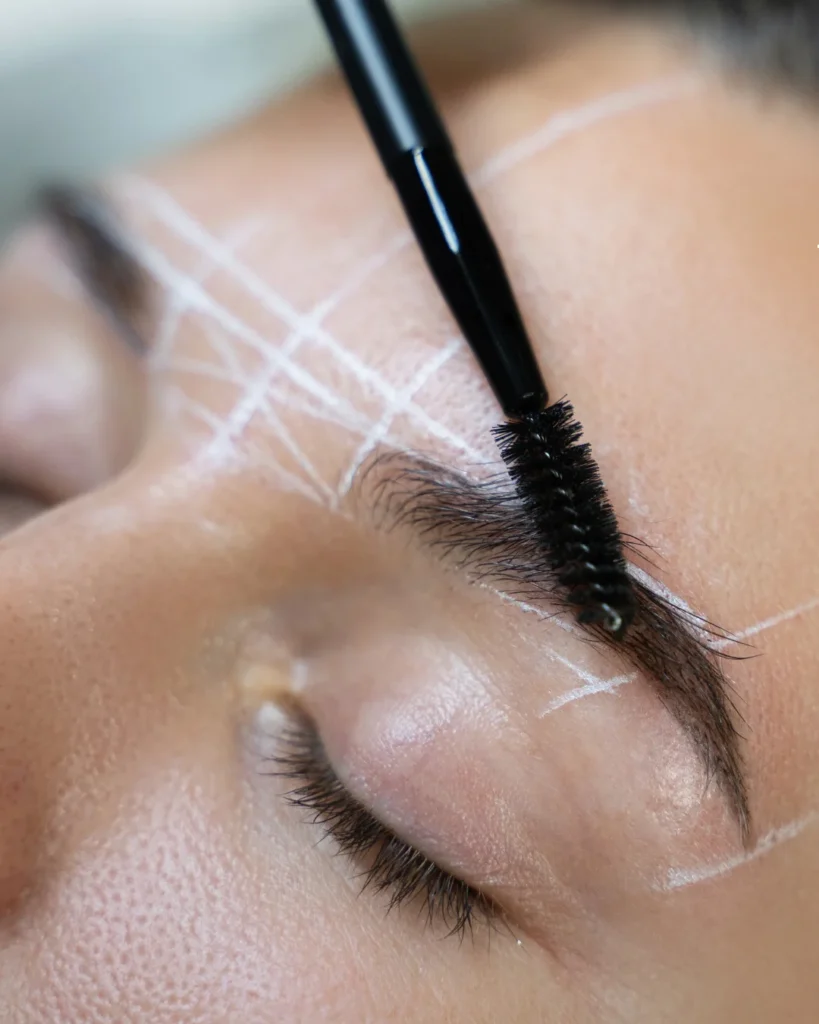
Eyebrow Lift Recovery Timeline: From Surgery to Final Results usually spans several months, although most patients return to their social and professional routines within approximately 10 to 14 days. Swelling, bruising, forehead tightness, and temporary numbness often feel most noticeable during the first week, then gradually ease as the tissues heal. The eyebrows may initially appear higher or more defined than expected, but their position typically softens and settles over time. Final results become clearer as residual swelling fades and incision lines continue to mature.
An eyebrow lift, also known as a brow lift or forehead lift, raises sagging eyebrow tissue and refreshes the upper part of the face. The procedure can soften a tired, heavy, or concerned expression by improving the position of the brows and reducing forehead creases. However, the appearance seen immediately after surgery does not represent the final result.
Every patient heals at a different pace. Surgical technique, skin quality, age, general health, postoperative care, and whether the surgeon combines the procedure with eyelid surgery can all influence the recovery timeline. Understanding each stage helps patients prepare for temporary changes without expecting an instant transformation.
Table of Contents
ToggleThe First 24 to 48 Hours After Eyebrow Lift Surgery
The earliest phase of eyebrow lift recovery focuses on rest, swelling control, and incision care. Patients usually experience tightness across the forehead, mild to moderate discomfort, and a feeling of pressure around the brow area. Swelling may extend toward the upper eyelids or the area beneath the eyes because gravity can move fluid downward.
Bruising may not appear immediately. It can become more visible during the first two or three days before it starts to fade. The eyebrows may also look unusually elevated, uneven, or sharply arched at this stage. Swelling rarely develops in a perfectly symmetrical way, so one side may temporarily look different from the other.
Keeping the head elevated often helps control swelling. Many patients sleep on their backs with extra pillows or use a wedge pillow during the first several nights. The surgeon may also recommend cool compresses, but patients should avoid placing ice directly on the skin or applying pressure to the surgical area.
Some people feel tired or slightly groggy after anaesthesia. Rest supports the healing process, but complete inactivity does not help circulation. Short, gentle walks around the home can support blood flow and reduce stiffness, provided that the surgeon has approved them.
Patients should take only the medications recommended by their surgical team. They should also avoid touching, scratching, or examining the incisions repeatedly. The scalp and forehead may feel numb, itchy, or unusually sensitive, and these sensations can change throughout the day.
Days 3 to 7: Swelling and Bruising Reach Their Peak
Swelling and bruising often become most noticeable during the first week. The forehead may feel firm, and the upper face can look fuller than expected. Some patients also notice puffiness around the eyelids even when the surgeon did not operate directly on them.
These changes form part of the normal early healing process. The American Society of Plastic Surgeons notes that swelling and bruising can affect the forehead, brows, and areas beneath the eyes during the first seven days. Head elevation, rest, and the surgeon’s postoperative instructions remain particularly important during this period.
Patients who undergo an endoscopic brow lift may have several small incisions hidden within the hairline. A traditional or coronal technique can involve a longer incision across the scalp. A temporal brow lift generally concentrates on the outer portion of the eyebrows and uses smaller incisions near the temples. Each technique creates a slightly different recovery experience, so patients should follow instructions designed for their specific operation.
Washing the hair may require extra care. Surgeons often provide detailed guidance about when patients can shower, which shampoo they can use, and how they should dry the scalp. Rubbing the incision sites or directing strong water pressure toward them can irritate the healing tissue.
The forehead can still feel tight during this stage. Some patients describe tingling, mild burning, or brief shooting sensations as the nerves begin to recover. These feelings usually decrease gradually, although numbness may last longer than visible swelling.
Patients should contact their surgeon if they develop rapidly increasing swelling, severe pain that does not improve with medication, persistent bleeding, fever, unusual discharge, breathing difficulty, or sudden vision changes. Early communication allows the medical team to assess symptoms promptly.
The Second Week: Returning to Work and Social Activities
The second week often marks a significant turning point in the eyebrow lift recovery timeline. Bruising begins to change colour and fade, swelling decreases, and the eyebrows start to look more natural. Patients may still notice puffiness in the morning, especially after lying flat overnight.
Many surgeons remove sutures or clips during this period, although the exact timing depends on the surgical technique and incision condition. Patients should not try to remove or loosen any sutures themselves.
According to the American Society of Plastic Surgeons, initial wound healing commonly takes around 10 to 14 days, and many patients feel ready to return to work and routine activities within that period. Deeper healing continues for several weeks or months even after the face looks socially presentable.
People who work from home may return earlier if they feel comfortable and can take regular breaks. Those whose jobs involve lifting, bending, heat exposure, physical labour, or strenuous movement may need additional time away.
Makeup can help conceal remaining bruising once the surgeon confirms that the skin and incision areas have healed sufficiently. Patients should use clean brushes and avoid applying cosmetic products directly over open, irritated, or crusted incisions.
People travelling for an Eyebrow Lift in Turkey should plan enough recovery time before flying home. As with other Facial Surgeries in Turkey, the schedule should include postoperative examinations, possible suture removal, and a buffer period for unexpected swelling or discomfort. Patients should never base their travel plans only on the average recovery time because individual healing patterns vary.
Weeks 3 and 4: The Brows Begin to Settle
By the third and fourth weeks, most visible bruising has usually disappeared. Residual swelling may remain around the forehead, temples, or upper eyelids, but it often looks subtle to other people. The brows begin moving toward a softer and more balanced position.
Patients sometimes worry that the eyebrows look too high during the first few weeks. Surgeons often account for early swelling and tissue settling when planning the operation. As inflammation decreases and the forehead tissues relax, the brow position generally becomes less exaggerated.
Mild asymmetry can also persist during this phase. One side may heal faster than the other, especially if swelling differs between the two sides. Patients should avoid making an early judgment about symmetry while the tissues remain firm and swollen.
Forehead movement may feel restricted at first. Normal expressions gradually become more comfortable as stiffness decreases. Temporary numbness or altered sensation can continue, especially near the scalp incisions. Some patients experience itching as the incisions heal, but scratching can damage delicate tissue.
The surgeon may allow a gradual return to exercise during this stage. Light walking usually comes first, followed by low-impact activity. Heavy lifting, intense cardio, inverted yoga positions, contact sports, and exercises that sharply increase blood pressure may require a longer pause.
Patients should obtain personalised approval before resuming their full training routine. Feeling energetic does not always mean the deeper tissues have regained their normal strength.
Months 2 and 3: Refinement Becomes More Noticeable
The second and third months bring greater refinement. Most swelling has faded, the brows sit more naturally, and the upper face begins to reflect the intended surgical design. Incision lines may still look pink, firm, or slightly raised, but they usually continue to soften.
Scalp sensation can also change during this period. Areas that felt completely numb may begin to tingle or feel more sensitive. Nerve recovery often happens gradually rather than all at once. Small patches of altered sensation can remain for several months.
Patients who underwent an Eyebrow Lift in Turkey may complete later follow-up appointments remotely after returning home. Clear communication with the operating clinic remains important. Photographs can help the surgeon track swelling, incision healing, brow position, and symmetry, but they do not replace an in-person examination when concerning symptoms appear.
Sun protection plays an important role during scar maturation. Direct ultraviolet exposure can darken fresh incision lines and make them more noticeable. A hat and surgeon-approved sun protection help protect the healing areas, particularly when incisions sit near the hairline or temples.
Patients should also avoid aggressive facial treatments, chemical peels, laser procedures, scalp massage, and hair colouring until the surgeon approves them. Even when the surface looks healed, deeper tissues may still react to pressure, heat, or strong cosmetic products.
Months 4 to 6: When Final Results Become Clearer
By months four to six, the majority of patients can assess their results more accurately. The eyebrows usually feel integrated with the rest of the face, forehead tightness decreases, and incision lines become less noticeable.
Cleveland Clinic states that complete forehead healing after a brow lift may take up to six months. Patients often see meaningful improvement earlier, but the final appearance becomes easier to evaluate after the body completes more of the healing process.
A well-planned eyebrow lift should refresh the upper face without creating a permanently surprised expression. The goal usually involves restoring a more open and rested appearance while maintaining natural eyebrow movement and facial character.
The final result also depends on the type of brow lift. An endoscopic technique may lift the central and outer brow through small scalp incisions. A temporal lift primarily targets the outer brow. A direct brow lift places the incision close to the eyebrow and can provide precise correction in selected patients. These approaches do not produce identical changes, even when their recovery timelines overlap.
Scars continue to mature beyond six months. They may gradually flatten, soften, and fade over the following year. Genetics, skin type, incision location, sun exposure, smoking, and wound care all affect scar development.
How to Support a Smoother Eyebrow Lift Recovery
A successful recovery starts with realistic preparation. Patients should arrange transport home, organise help for the first day, prepare easy meals, and place frequently used items at a comfortable height. These steps reduce unnecessary bending and physical effort.
Following the surgeon’s instructions closely matters more than copying another patient’s recovery routine. Medication schedules, hair-washing rules, incision care, sleeping position, and exercise restrictions can vary according to the operation.
Smoking and nicotine can restrict blood flow and interfere with tissue healing. Patients should follow their surgeon’s guidance about stopping cigarettes, vaping, nicotine gum, and other nicotine products before and after surgery.
A balanced diet with adequate protein supports tissue repair. Drinking enough water also helps the body function normally during recovery. Patients do not need extreme supplements or restrictive diets unless their medical team specifically recommends them.
Emotional patience also plays a practical role. The face changes from day to day during the first few weeks, and photographs taken at different times, angles, or lighting conditions can make swelling look inconsistent. Checking the mirror every hour rarely provides useful information. Weekly comparisons generally offer a clearer picture of progress.
When Should You Contact Your Surgeon?
Most patients experience swelling, bruising, tightness, numbness, and mild discomfort without developing a serious complication. However, some symptoms require prompt professional evaluation.
Patients should contact their surgeon if they notice increasing redness, warmth, pus-like drainage, fever, worsening pain, sudden facial weakness, rapidly expanding swelling, significant bleeding, or changes in vision. They should seek urgent medical attention for breathing problems, chest pain, or other severe symptoms.
Routine follow-up appointments give the surgeon an opportunity to monitor incision healing and eyebrow position. Patients should attend these visits even when recovery feels easy. Small issues often respond better when the medical team identifies them early.
Frequently Asked Questions About Eyebrow Lift Recovery
1. How long does it take to recover from an eyebrow lift?
Most patients need around 10 to 14 days before they feel comfortable returning to work and social activities. Swelling, numbness, incision changes, and subtle tissue settling can continue for several months.
2. When will my eyebrows look natural after surgery?
The eyebrows usually begin to look more natural within three to four weeks. Their position continues to soften as swelling decreases, and patients often see a more refined result between the second and sixth months.
3. Can I sleep on my side after an eyebrow lift?
Surgeons commonly recommend sleeping on the back with the head elevated during early recovery. Side sleeping can place pressure on healing tissues and may worsen swelling. Patients should ask their surgeon when they can safely return to their normal sleeping position.
4. When can I exercise after eyebrow lift surgery?
Many patients start gentle walking shortly after surgery. More demanding exercise often requires several weeks of recovery. The exact timing depends on the surgical technique, healing progress, and type of activity, so the operating surgeon should approve the return to exercise.
5. Are eyebrow lift results permanent?
An eyebrow lift can create long-lasting improvement, but it cannot stop the natural ageing process. Skin quality, genetics, sun exposure, smoking, lifestyle, and the surgical method influence how the result changes over time.