


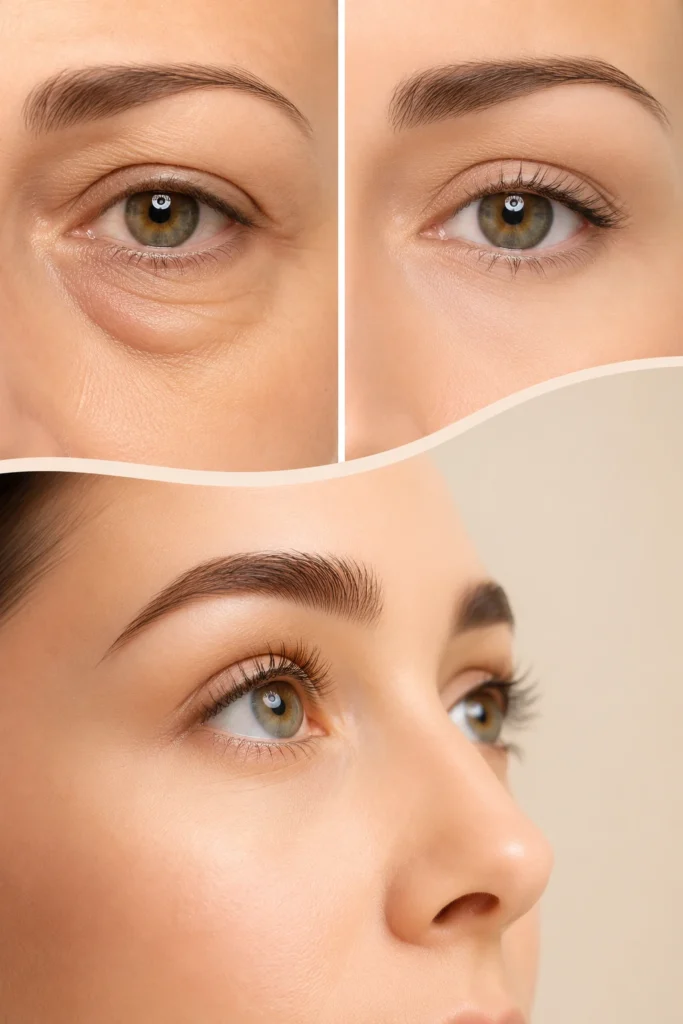
Blepharoplasty Turkey: What Patients Should Know Before Eyelid Surgery starts with one clear point: patients should understand the procedure, recovery process, surgeon selection, realistic results, and safety details before choosing eyelid surgery in Turkey. Blepharoplasty can refresh tired-looking eyes, reduce excess eyelid skin, and create a more rested facial appearance, but it still requires careful planning and a personalized medical evaluation.
Table of Contents
ToggleWhat Is Blepharoplasty?
Blepharoplasty, also known as eyelid surgery, focuses on the upper eyelids, lower eyelids, or both. The procedure removes or reshapes excess skin, muscle, and fat around the eyes. Many patients choose upper blepharoplasty because heavy eyelid skin makes the eyes look tired, older, or less open. Others prefer lower blepharoplasty to reduce under-eye bags, puffiness, or loose skin.
In Turkey, blepharoplasty attracts international patients because the country has experienced plastic surgeons, modern clinics, and strong medical tourism infrastructure. However, patients should not choose a clinic only because of price. The eye area has delicate anatomy, so surgeon experience, communication, aftercare, and safety standards matter more than any package offer.
A good blepharoplasty plan protects natural eye shape. The best results usually look refreshed, not “operated.” Patients often want brighter eyes, smoother eyelids, and a more awake expression while keeping their facial character.
Who Is a Good Candidate for Eyelid Surgery?
A good candidate for eyelid surgery usually has excess upper eyelid skin, under-eye bags, sagging eyelids, or a tired appearance that does not improve with sleep or skincare. Some patients also experience limited vision because upper eyelid skin hangs too low. In that case, the surgeon checks whether blepharoplasty alone solves the concern or whether the patient also needs ptosis correction.
Patients should have realistic expectations. Blepharoplasty improves eyelid contour, but it does not change the whole face. It does not remove every wrinkle around the eyes, lift the brows dramatically, or replace skin quality treatments. If brow descent causes heaviness, the surgeon can discuss brow lift options as part of the evaluation.
Patients with dry eye, thyroid eye disease, uncontrolled diabetes, bleeding disorders, or serious eye conditions need a detailed medical review before surgery. Dryness, irritation, and temporary discomfort can happen during recovery, so patients with existing eye dryness should discuss this clearly with their surgeon.
Upper Blepharoplasty and Lower Blepharoplasty
Upper blepharoplasty targets loose skin and heaviness on the upper eyelids. The surgeon usually places the incision within the natural eyelid crease, which helps the scar blend into the eyelid fold over time. This procedure can create a cleaner eyelid contour and a more open eye appearance.
Lower blepharoplasty focuses on puffiness, under-eye bags, loose lower eyelid skin, and tired-looking shadows. The surgeon can use an incision inside the lower eyelid or just under the lash line, depending on the patient’s anatomy and goals. Some patients need fat repositioning rather than simple fat removal because removing too much fat can create a hollow look.
Blepharoplasty Turkey procedures often combine upper and lower eyelid surgery when patients want a balanced rejuvenation. Still, the surgeon should decide this after examining eyelid position, skin thickness, fat distribution, eye shape, and facial harmony.
What Happens Before Blepharoplasty in Turkey?
Before blepharoplasty in Turkey, patients usually share photos, medical history, previous surgeries, medications, allergies, and expectations with the clinic. A responsible clinic explains the likely technique, anesthesia plan, recovery timeline, and possible risks before confirming surgery.
During the consultation, the surgeon evaluates eyelid skin, brow position, eye symmetry, under-eye volume, and facial proportions. This step matters because every patient has different anatomy. A standard plan does not create natural results for everyone.
Patients should ask direct questions before eyelid surgery in Turkey:
How many blepharoplasty procedures has the surgeon performed?
Which technique suits my eyelid anatomy?
Where will the incision sit?
How long should I stay in Turkey after surgery?
Who will handle my follow-up care?
What should I do if I develop irritation, bleeding, or unusual swelling?
Clear answers help patients feel safer and more prepared.
Recovery After Eyelid Surgery
Blepharoplasty recovery usually includes swelling, bruising, mild tightness, irritation, dry eyes, and temporary discomfort. The American Society of Plastic Surgeons explains that early healing can involve swelling, bruising, irritation, dry eyes, and discomfort that patients control with medication, cold compresses, and ointment under medical guidance.
Many patients take around 1 to 2 weeks away from work, depending on their job and the extent of surgery. The NHS notes that most people take about 2 weeks off work after eyelid surgery, while bruising and redness can take several weeks to fade.
Patients should avoid heavy exercise, bending, smoking, contact lenses, and intense sun exposure during the early healing period. Sunglasses can protect the eyes from wind and light sensitivity. Clinics usually provide detailed aftercare instructions, including how to clean the area, use eye drops, and sleep with the head elevated.
Final results do not appear immediately. Swelling gradually decreases, scars soften, and eyelid shape settles over weeks and months. Patience plays an important role in recovery.
Risks Patients Should Know
Blepharoplasty has a strong satisfaction rate when an experienced surgeon performs it, but every surgery carries risks. Possible risks include bleeding, infection, asymmetry, dry eyes, difficulty closing the eyes, eyelid position problems, visible scarring, temporary numbness, and the need for revision surgery.
Patients should contact their clinic quickly if they notice severe pain, sudden vision changes, increasing redness, unusual discharge, heavy bleeding, or one-sided swelling that worsens rapidly. These signs need medical attention.
Choosing a qualified surgeon reduces risk. Patients should avoid rushed decisions, unclear pricing, exaggerated promises, and clinics that do not provide proper consultation. Low cost alone should never guide a decision about eyelid surgery.
How to Choose the Right Surgeon in Turkey
The right surgeon for blepharoplasty Turkey should have strong experience in facial plastic surgery or oculoplastic-style eyelid procedures. Patients should review before-and-after photos, check credentials, ask about hospital or clinic standards, and confirm the follow-up process.
Natural results require careful judgment. Removing too much upper eyelid skin can create tightness or difficulty closing the eyes. Removing too much lower eyelid fat can create hollowness. A skilled surgeon balances correction with preservation.
Communication also matters. International patients should understand every step clearly before they travel. The clinic should explain the surgery day, anesthesia, hotel stay, transfer details, medication, control appointments, and emergency contact process.
Blepharoplasty Turkey Cost and Value
Blepharoplasty Turkey cost changes according to the surgeon’s experience, clinic standards, anesthesia type, upper or lower eyelid involvement, combined procedures, and aftercare services. Some clinics offer package prices that include accommodation and transfers, while others price medical care separately.
Patients should compare value, not only price. A very low quote can hide limited follow-up, unclear surgeon credentials, or rushed planning. A reliable clinic provides transparent details and helps patients understand what the price includes.
Good eyelid surgery requires precision. Patients invest not only in the operation but also in safety, planning, natural aesthetics, and long-term comfort.
What Results Can Patients Expect?
Blepharoplasty can create fresher, more open, and more rested-looking eyes. Upper eyelid surgery can reduce hooding and heaviness. Lower eyelid surgery can soften bags and improve under-eye contour. The result should match the patient’s age, face, and natural eye shape.
Patients should not expect a completely different face. The best blepharoplasty results look subtle. Friends may notice that the person looks rested, healthier, or brighter rather than immediately noticing surgery.
Healthy lifestyle habits support long-term results. Sun protection, quality sleep, stable weight, and good skincare help maintain the eyelid area. Aging continues naturally, but blepharoplasty can create a long-lasting improvement for suitable patients.
Frequently Asked Questions
Is blepharoplasty in Turkey safe?
Blepharoplasty in Turkey can be safe when patients choose a qualified surgeon, accredited clinic, and proper aftercare process. Patients should check credentials and avoid decisions based only on low prices.
How long should I stay in Turkey after eyelid surgery?
Many patients stay several days after surgery for early recovery and follow-up. The exact duration depends on the procedure, surgeon preference, and healing progress.
Does blepharoplasty leave scars?
Upper eyelid scars usually sit in the natural eyelid crease. Lower eyelid scars depend on the technique. Scars generally fade over time, but healing differs from person to person.
When can I return to work after blepharoplasty?
Many patients return to work after 1 to 2 weeks, depending on swelling, bruising, and job type. Patients with public-facing jobs sometimes prefer a longer break.
Can blepharoplasty fix under-eye dark circles?
Blepharoplasty can improve under-eye bags and contour problems, but it does not remove every type of dark circle. Pigmentation, thin skin, and vascular shadows may need different treatments.