


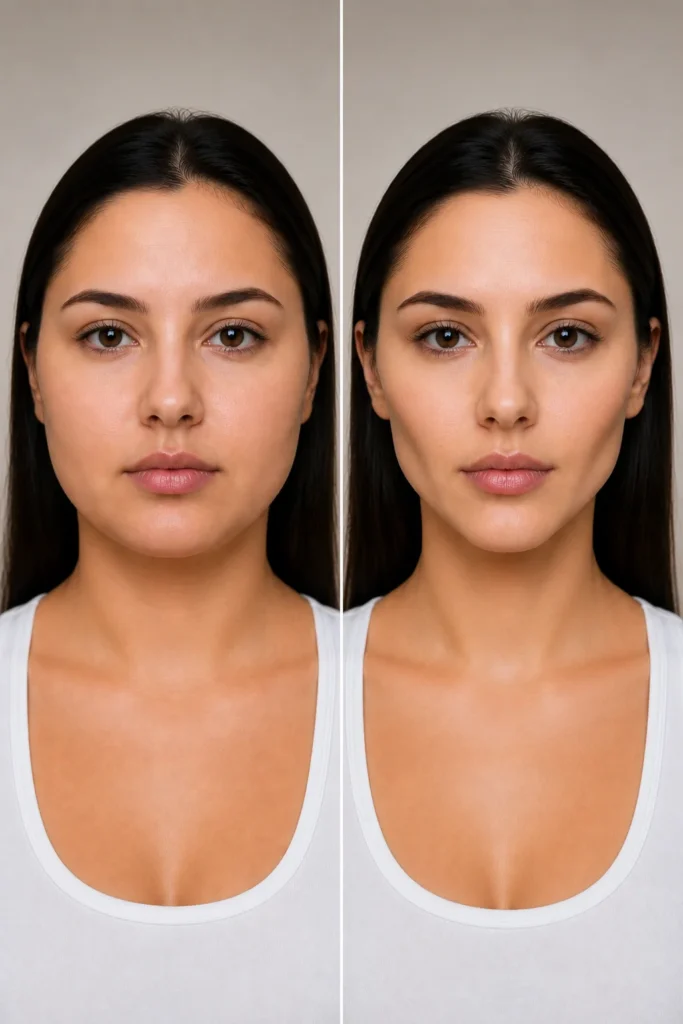
Bichectomy in Turkey: Cost, Benefits and Recovery covers a facial contouring procedure that removes part of the buccal fat pads inside the cheeks to create a slimmer and more defined facial appearance. Turkey attracts international patients with experienced plastic surgeons, modern clinics and treatment packages that often cost less than similar procedures in the United Kingdom, Europe or the United States. Recovery usually involves temporary swelling and dietary adjustments, while the cheeks gradually reveal their new shape over the following weeks and months.
Bichectomy focuses on the naturally occurring fat pads located deep inside the lower cheeks. These pads contribute to facial fullness, regardless of a person’s overall body weight. A surgeon removes a carefully selected amount of this tissue through small incisions inside the mouth, so the procedure leaves no visible external scar.
Many people consider cheek reduction when their face continues to look round or heavy despite maintaining a stable weight. The procedure can highlight the cheekbones, improve the transition between the cheeks and jawline, and create a more sculpted facial profile. However, successful treatment depends on appropriate patient selection and conservative surgical planning.
Table of Contents
ToggleWhat Is Bichectomy and How Does It Work?
Bichectomy, also known as buccal fat removal, reduces fullness in the middle and lower cheek area. Buccal fat pads sit between several facial muscles and support the soft contours of the cheeks. Their size varies from person to person and does not always change significantly with diet or exercise.
During the procedure, the surgeon creates a small incision on the inner surface of each cheek. The surgeon then gently exposes the buccal fat pad and removes a controlled portion. After checking facial balance, the surgeon closes the incisions with dissolvable sutures.
The operation often takes between 30 and 60 minutes. Many surgeons perform it under local anaesthesia with sedation, although some patients receive general anaesthesia depending on their needs and the clinic’s approach. Patients usually return to their accommodation on the same day.
The amount of fat removed plays a major role in the final appearance. Aggressive removal can create an overly hollow look as the face naturally loses volume with age. For this reason, experienced surgeons often prefer a conservative technique that enhances definition without stripping the cheeks of their natural softness.
Who May Be a Suitable Candidate?
A suitable candidate usually has persistent fullness in the lower cheeks and wants more visible cheekbone or jawline definition. The person should also have realistic expectations and understand that bichectomy refines facial proportions rather than completely changing facial identity.
The procedure may suit adults who:
Have naturally prominent or rounded cheeks
Maintain a stable and healthy body weight
Feel that cheek fullness hides their facial structure
Have good general health
Do not smoke or can stop smoking around the treatment period
Understand both the benefits and limitations of surgery
Bichectomy may not suit every face shape. People with naturally narrow or thin faces may develop excessive hollowness after fat removal. Older patients may already have facial volume loss, loose skin or prominent jowls, so another treatment may address their concerns more effectively.
During the consultation, the surgeon assesses cheek volume, skin quality, bone structure and overall facial balance. The surgeon may also discuss how the face could change with age. This detailed assessment helps protect natural proportions and reduces the risk of an overtreated appearance.
What Are the Main Benefits of Bichectomy?
The most noticeable benefit involves a slimmer and more structured lower face. By reducing fullness beneath the cheekbones, the procedure can create a clearer distinction between the cheek area and the jawline.
Patients often choose bichectomy for the following reasons:
More Visible Cheekbone Definition
Full buccal fat pads can soften the natural shadows below the cheekbones. Removing a modest amount of fat may reveal this area and make the midface appear more sculpted.
A Less Rounded Facial Shape
Some people retain a round facial appearance even after losing weight. Bichectomy targets a deep fat compartment that exercise and dieting cannot selectively reduce. This can create a more tapered shape through the lower cheeks.
Improved Facial Proportions
The procedure can help balance the cheeks with the chin, jawline and other facial features. A skilled surgeon considers the entire face rather than treating the cheeks as an isolated area.
No Visible External Scar
The surgeon works through incisions inside the mouth. Once the tissues heal, no external incision line remains on the skin.
Long-Lasting Fat Reduction
The removed portion of the buccal fat pad does not grow back. Significant weight changes and natural ageing can still alter facial appearance, so maintaining a stable weight helps support consistent results.
People researching Facial Surgeries in Turkey often compare bichectomy with procedures such as chin augmentation, neck liposuction, facelift surgery and jawline contouring. Bichectomy may work as a standalone treatment, but surgeons can also combine it with other procedures when a broader facial change supports the patient’s goals.
Why Do International Patients Choose Turkey?
Turkey has become a widely considered destination for cosmetic surgery because it combines medical expertise, established private healthcare facilities and comparatively accessible pricing. International patients can find surgeons who regularly work with people from different countries and understand the planning needs involved in travelling for surgery.
Clinics that offer Bichectomy in Turkey may provide packages that include consultations, the operation, postoperative checks, medication, airport transfers and accommodation support. Package contents vary, so patients should review every detail rather than comparing headline prices alone.
Turkey also has strong flight connections with the United Kingdom, Europe, the Middle East and many other regions. This accessibility makes shorter cosmetic procedures easier to organise for suitable patients.
Price should never act as the only deciding factor. The surgeon’s qualifications, experience in facial contouring, clinic standards and postoperative support carry greater importance than a small difference in cost. A low quote may exclude anaesthesia, medication, tests or follow-up care.
Patients should ask who will perform the surgery, where it will take place and how the medical team handles complications. They should also review genuine before-and-after photographs that show patients with similar facial structures.
How Much Does Bichectomy Cost in Turkey?
The cost of bichectomy in Turkey varies according to the surgeon, clinic location, anaesthesia type, medical facility and services included in the package. The complexity of the case and whether the patient combines bichectomy with another operation also affect the total fee.
A treatment quote may include:
Surgeon and medical team fees
Clinic or hospital charges
Anaesthesia or sedation
Preoperative tests
Prescribed medication
Postoperative examinations
Transfers and accommodation, depending on the package
Patients should request a written quotation that clearly lists all inclusions and possible extra charges. This approach makes comparisons more accurate and helps prevent unexpected expenses during the trip.
Although prices in Turkey often remain lower than those in many Western countries, cost alone does not reflect quality. An experienced facial surgeon may charge more because careful planning and conservative fat removal require technical skill and aesthetic judgement.
Online consultations can provide an initial estimate. The surgeon may ask for photographs from the front, side and three-quarter angles. The final plan can still change after an in-person examination, particularly if the cheek volume differs from what the photographs suggest.
What Happens Before the Procedure?
Before surgery, the medical team reviews the patient’s health history, current medications, allergies and previous operations. The surgeon examines facial symmetry, cheek volume and skin elasticity. This stage gives the patient an opportunity to explain what they want to change and what they would prefer to preserve.
Patients should tell the clinic about all prescription medicines, vitamins and supplements. Some products can increase bleeding risk or affect healing. The surgeon gives personalised instructions about which products to pause and when to restart them.
Smoking can delay tissue healing and increase the risk of complications. Surgeons usually advise patients to stop smoking before and after the operation. Patients should also limit alcohol and follow fasting instructions when sedation or general anaesthesia forms part of the plan.
Good oral hygiene matters because the surgeon makes the incisions inside the mouth. The medical team may recommend a specific mouthwash before and after surgery to reduce bacterial exposure.
What Is Bichectomy Recovery Like?
Recovery after buccal fat removal usually involves swelling, tenderness and a tight sensation inside the cheeks. These effects often feel strongest during the first few days and gradually improve.
The face may initially look wider rather than slimmer because swelling hides the new contour. Patients should not judge the result during this early period. The cheeks start to look more refined as the swelling decreases, but the tissues need more time to settle fully.
During the first stage of recovery, patients often follow a liquid or very soft diet. Smooth soups, yoghurt, puréed foods and other easy-to-chew options reduce pressure on the incision sites. The surgeon explains when the patient can return to regular foods.
Patients should keep the mouth clean and use any prescribed mouthwash exactly as instructed. Gentle tooth brushing helps maintain hygiene, but patients need to avoid irritating the incisions.
Sleeping with the head elevated can help control swelling. Patients should avoid pressing the cheeks against the pillow and should not massage the area unless the surgeon specifically recommends it.
Many people return to desk-based work within several days, depending on swelling and personal comfort. Strenuous exercise, heavy lifting and contact sports require a longer break because increased blood pressure can worsen swelling or bleeding.
When Will the Final Results Appear?
Early changes may become visible once the first stage of swelling subsides. However, the final contour develops gradually as deeper swelling resolves and the soft tissues adapt to the reduced cheek volume.
Many patients notice a clearer facial shape within several weeks. The cheeks may continue to refine over the next few months. Healing speed varies according to individual anatomy, the amount of fat removed and how closely the patient follows postoperative instructions.
The final appearance should look balanced from the front, side and three-quarter views. A well-planned bichectomy creates subtle definition rather than an exaggerated hollow effect.
Weight changes can influence the surrounding facial fat, even though the removed tissue does not return. Natural ageing also changes skin elasticity and volume distribution. Stable weight, sun protection and healthy lifestyle habits help preserve facial balance.
What Are the Possible Risks?
Every surgical procedure carries potential risks. Bichectomy involves small internal incisions, but it still requires careful knowledge of facial anatomy. Important structures, including facial nerves and salivary ducts, lie near the treatment area.
Possible complications include:
Infection
Bleeding or haematoma
Prolonged swelling
Facial asymmetry
Temporary or persistent numbness
Injury to nearby salivary structures
Excessive cheek hollowing
Unsatisfactory contour
Delayed healing
An experienced surgeon reduces these risks through precise technique, appropriate patient selection and conservative fat removal. Patients also influence recovery by following medication, diet, hygiene and activity instructions carefully.
A patient should contact the clinic promptly after sudden or worsening swelling, severe pain, fever, heavy bleeding, unusual discharge or marked facial weakness. Early communication allows the medical team to assess concerns without unnecessary delay.
Can Bichectomy Be Combined With Other Procedures?
Surgeons sometimes combine bichectomy with other facial treatments to create more balanced proportions. The right combination depends on bone structure, skin quality and the patient’s aesthetic goals.
Common combinations may include chin augmentation, jawline liposuction, rhinoplasty, facelift surgery or neck contouring. For example, reducing cheek fullness may not create a defined jawline when submental fat or a small chin causes the main concern.
Patients exploring Facial Surgeries in Turkey should avoid choosing several operations based only on online trends. Each added procedure increases surgical time, recovery demands and cost. A surgeon should recommend combinations only when they support facial harmony and remain medically appropriate.
Combining treatments can offer a more comprehensive transformation and allow the patient to complete one recovery period. However, some patients benefit more from a single, carefully selected procedure.
How Should You Choose a Surgeon in Turkey?
Choosing the right surgeon requires more than checking social media photographs or finding the lowest package price. Patients should research professional qualifications, facial surgery experience and the standards of the clinic or hospital.
Useful questions include:
How often does the surgeon perform bichectomy?
Does the surgeon regularly treat patients with similar facial anatomy?
How much buccal fat does the surgeon expect to remove?
What type of anaesthesia will the clinic use?
Who provides postoperative care?
What happens if a complication develops after the patient returns home?
Does the quote include medication, tests and follow-up appointments?
Before-and-after photographs should show consistent lighting, angles and facial expressions. Patients should look for natural definition rather than extreme hollowing.
Clear communication also matters. The surgeon should listen to the patient’s goals, explain limitations and discuss long-term facial ageing. A responsible surgeon may advise against bichectomy when the procedure does not suit the patient’s face.
Planning Your Medical Trip
Patients travelling for Bichectomy in Turkey should allow enough time for the consultation, surgery and initial follow-up. Flying home immediately after the procedure can make recovery more uncomfortable and may limit access to the operating team during the early healing stage.
The clinic should explain how many days the patient needs to stay in Turkey. This period varies according to the anaesthesia method, treatment plan and individual recovery.
Patients should carry medication in its original packaging and keep clinic contact information easily accessible. Soft foods, comfortable clothing and a clean travel environment can make the first few days easier.
Travel insurance policies may exclude elective cosmetic procedures, so patients should check the terms carefully. They should also understand what support the clinic provides after they return home.
Frequently Asked Questions
1. Is bichectomy painful?
Most patients experience pressure, tenderness and mild discomfort rather than severe pain. Prescribed pain medication usually helps during the first few days. Swelling and tightness often create more discomfort than the internal incisions themselves.
2. Does bichectomy leave visible scars?
No visible external scar usually remains because the surgeon creates the incisions inside the mouth. The internal tissues generally heal without a noticeable mark once the recovery period ends.
3. How long does swelling last after bichectomy?
Swelling often peaks during the first several days and then gradually decreases. A noticeable amount may resolve within a few weeks, while subtle deeper swelling can take several months to settle completely.
4. Can buccal fat grow back after removal?
The removed portion of the buccal fat pad does not regenerate. However, weight gain can enlarge other facial fat compartments, and ageing can change the overall distribution of facial volume.
5. How long should I stay in Turkey after surgery?
The recommended stay depends on the clinic, anaesthesia type and recovery progress. Many surgeons ask international patients to remain long enough to complete an early postoperative examination before travelling home.