


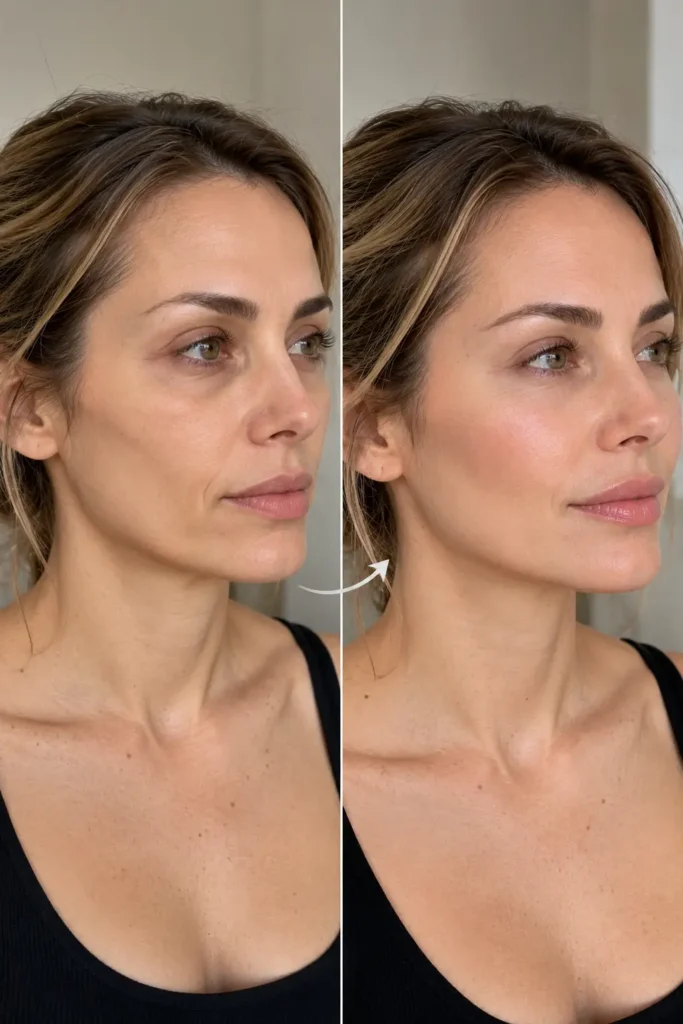
Facial Fat Transfer: How Long Do Results Last? Facial fat transfer can provide long-lasting facial volume because the fat cells that successfully establish a blood supply in their new location can remain there for years. However, not every transferred fat cell survives the initial healing period. The face usually loses a portion of the injected volume during the first few months, while the remaining fat becomes part of the facial tissue. Factors such as the treatment area, fat survival rate, surgical technique, weight changes, lifestyle, and natural aging all influence how long the final result lasts.
For people considering facial rejuvenation, this difference between temporary early volume and long-term retained fat raises several important questions. How much fat actually survives? When does the face reach its final appearance? Can the transferred fat disappear years later? And does facial fat transfer stop the natural aging process? Understanding these points helps set realistic expectations before treatment.
Table of Contents
ToggleWhat Is Facial Fat Transfer?
Facial fat transfer, also known as facial fat grafting, uses a person’s own fat to restore or enhance volume in selected areas of the face. The surgeon typically collects fat from an area with sufficient fatty tissue, processes it and carefully injects small amounts into targeted facial areas.
Common treatment areas include:
Cheeks
Temples
Under-eye hollows
Nasolabial folds
Jawline
Chin
Selected facial depressions or areas with volume loss
Unlike synthetic fillers, fat transfer uses tissue taken from the patient’s own body. This makes the procedure particularly interesting for people who want to address facial volume loss with their own tissue.
Patients researching Facial Fat Transfer in Turkey often focus heavily on before-and-after photographs, but longevity deserves just as much attention. The appearance immediately after treatment does not represent the final outcome because the transferred fat needs time to settle and establish a blood supply.
How Long Does Facial Fat Transfer Last?
There is no single expiration date for facial fat transfer. Once transferred fat cells successfully establish themselves in the treatment area, they can remain for many years. In this sense, facial fat grafting differs from treatments that the body gradually breaks down according to a relatively predictable timeline.
The first few months play an important role in determining long-term volume. Some transferred fat cells survive, while the body naturally absorbs others. Swelling also contributes to the fuller appearance seen shortly after the procedure.
This means patients should not judge longevity based on how their face looks during the first days or weeks.
After the healing and stabilization period, the remaining fat behaves much like fat elsewhere in the body. It can respond to weight fluctuations and continue to change as the face naturally ages.
How Much of the Transferred Fat Actually Survives?
This is one of the most common questions surrounding facial fat grafting, and the answer varies from person to person.
Fat survival depends on several factors, including how the surgeon harvests, processes and places the fat. The characteristics of the treatment area and the patient’s individual healing response also matter.
For transferred fat to remain long term, fat cells need access to an adequate blood supply. Surgeons therefore focus on placing small amounts of fat strategically rather than depositing a large amount in one concentrated area.
This biological process explains why the initial volume and the final volume do not look exactly the same.
Patients should also avoid interpreting a specific fat-survival percentage they find online as a guarantee. Research reports different retention rates depending on the technique, facial area, measurement method and follow-up period. An aesthetic plastic surgeon can evaluate facial anatomy and explain what a realistic outcome may look like for an individual patient.
When Does Facial Fat Transfer Look Final?
Facial fat transfer changes noticeably during recovery, so patience matters when evaluating the result.
The First Few Days
Swelling usually makes the treated areas look fuller during the early recovery period. Bruising and temporary asymmetry may also influence the appearance.
At this stage, the face does not show the final amount of retained fat.
The First Few Weeks
As swelling gradually decreases, facial contours begin to look more natural. Some of the initial fullness disappears during this period.
Patients sometimes worry that they are “losing the result,” but part of this change simply reflects decreasing swelling and normal changes in the transferred fat.
The Following Months
Over the next several months, the appearance generally becomes more stable as healing progresses and the retained fat settles into the facial tissues.
This stage provides a much more meaningful indication of long-term volume than photographs taken immediately after the procedure.
Why Does Some Transferred Fat Disappear?
Fat cells require oxygen and nutrients from surrounding blood vessels. When surgeons transfer fat to a new location, those cells initially depend on the surrounding tissue while establishing their new blood supply.
Not every cell successfully completes this process.
The body gradually clears fat cells that do not survive. This natural process accounts for part of the reduction in volume after facial fat transfer.
Technique also matters. Fat harvesting, preparation and injection can influence how well the transferred tissue integrates into its new environment.
This is why Fat Injections in Turkey should not simply focus on how much fat a surgeon injects. Careful placement and an individualized treatment strategy play important roles in creating balanced facial volume.
Does Facial Fat Transfer Last Forever?
The word “permanent” needs some context when discussing facial fat transfer.
Fat cells that survive the transfer can remain long term, but the face continues to age. Fat transfer does not freeze facial anatomy at a particular age.
Over time, several natural changes continue:
Skin elasticity changes.
Facial tissues shift.
Bone structure gradually changes with aging.
Existing facial fat compartments change.
Body weight may increase or decrease.
For this reason, a person may still see signs of aging years after a successful fat transfer even when transferred fat remains present.
It makes more sense to think of facial fat grafting as a long-term volume restoration technique rather than a way to stop facial aging.
Can Weight Loss Affect Facial Fat Transfer Results?
Yes. Once transferred fat cells establish themselves, they can react to weight changes similarly to other fat cells in the body.
Significant weight loss may reduce facial fullness, including some of the volume created through fat transfer. Substantial weight gain can also increase fullness.
Small, normal weight fluctuations do not necessarily create dramatic changes, but maintaining a relatively stable weight can help preserve a more consistent facial appearance over time.
People planning major weight loss may want to discuss the timing of facial fat transfer with their surgeon.
Can You Have Facial Fat Transfer More Than Once?
Some patients may consider another fat transfer session after the initial result stabilizes.
A second treatment does not automatically mean that the first procedure failed. Individual fat survival varies, and some people may want additional volume after seeing how much fat remains following the healing period.
The surgeon should first evaluate the existing volume, facial symmetry, available donor fat and the patient’s goals. Adding too much volume simply to compensate for possible future absorption can create an unnatural appearance, so careful planning matters.
Which Facial Areas Can Hold Fat for the Long Term?
Fat survival does not depend on one factor alone. Different facial regions have different tissue characteristics and blood supply, while movement also varies across the face.
The cheeks and temples commonly receive fat grafting because age-related volume changes often become visible in these areas. Surgeons may also use carefully controlled fat placement around selected hollows and facial contours.
The ideal treatment area depends on facial anatomy rather than trends. A patient who has volume loss in the temples needs a different strategy from someone primarily concerned about flattened cheeks or lower-face contours.
This individualized approach also matters when patients compare fat grafting with other Facial Surgeries in Turkey. Fat transfer focuses primarily on volume, while surgical lifting procedures address different structural concerns.
Facial Fat Transfer vs. Dermal Fillers: Which Lasts Longer?
Patients frequently compare facial fat transfer with dermal fillers because both approaches can add facial volume. However, they work differently.
Dermal fillers use injectable materials and typically have a limited duration that varies according to the product and treatment area. Facial fat transfer uses the patient’s own fat, and the surviving portion can remain for years.
Fat transfer also involves harvesting fat from another part of the body, which makes the treatment process different from a standard filler appointment.
The better option depends on factors such as:
Desired amount of volume
Treatment area
Facial anatomy
Preference for temporary or longer-lasting volume
Available donor fat
Willingness to undergo a procedure with a recovery period
Rather than focusing only on which treatment lasts longer, patients benefit from considering which approach fits their anatomy and expectations.
What Can Affect the Longevity of Facial Fat Transfer?
Several variables can influence how facial fat transfer changes over time.
Surgical Technique
Careful harvesting, processing and placement help protect fat cells and support integration with surrounding tissue.
Individual Healing
Every person’s tissues and healing response differ. Two patients receiving similar procedures may retain different amounts of volume.
Treatment Area
Different areas of the face have different anatomical characteristics, which can influence how transferred fat settles.
Weight Changes
Large changes in body weight may alter the size of surviving fat cells and therefore affect facial volume.
Natural Aging
Facial fat transfer restores volume, but it does not stop changes in skin, muscle, ligaments, bone or existing facial fat.
Lifestyle Factors
General health and lifestyle habits can influence skin quality, healing and the way the face changes with age. Patients should follow the individualized recovery instructions their surgical team provides rather than relying on generic online advice.
How Can You Tell If Facial Fat Transfer Has Settled?
The biggest clue is stability.
During early recovery, the face may look noticeably different from week to week because swelling decreases and transferred fat undergoes its initial adjustment period. As healing progresses, these changes become less dramatic.
When facial volume remains relatively consistent and most swelling has resolved, the appearance provides a better indication of the longer-term result.
This is also why comparing daily photographs during the first few weeks can create unnecessary concern. Meaningful changes in facial fat transfer make more sense when evaluated over longer intervals and during follow-up examinations.
Is Facial Fat Transfer Worth Considering for Long-Term Volume?
Facial fat transfer attracts patients who want to restore facial volume using their own tissue and who prefer a result that has the potential to remain for years.
However, longevity should not serve as the only deciding factor.
Good facial rejuvenation depends on understanding what actually creates the concern. Volume loss, loose skin, changes in facial structure and surface-level skin concerns require different approaches. Adding fat cannot address every sign of facial aging.
A detailed facial assessment helps determine whether volume restoration matches the patient’s goals and whether another procedure, or a combination of approaches, makes more sense.
Frequently Asked Questions About Facial Fat Transfer
1. How many years does facial fat transfer last?
The fat that successfully establishes itself in the treatment area can remain for many years. Longevity varies according to fat survival, facial anatomy, weight changes, aging and individual biological factors.
2. Does all transferred facial fat survive?
No. The body absorbs part of the transferred fat during the early healing period. The remaining fat that successfully establishes a blood supply contributes to the longer-term result.
3. When will I see the final facial fat transfer result?
The face changes gradually as swelling decreases and fat retention stabilizes. Patients usually need to look beyond the early recovery period before evaluating their longer-term volume. The treating surgeon can provide a more individualized timeline during follow-up.
4. Can facial fat transfer disappear after several years?
Transferred fat can remain long term, but aging and significant weight changes can alter facial volume over the years. A later change in appearance does not necessarily mean that all transferred fat has disappeared.
5. Can facial fat transfer stop facial aging?
No. Facial fat transfer can restore volume in selected areas, but natural aging continues. Skin, facial tissues, bone structure and fat distribution continue to change over time, which means the face will still evolve even when transferred fat remains.