


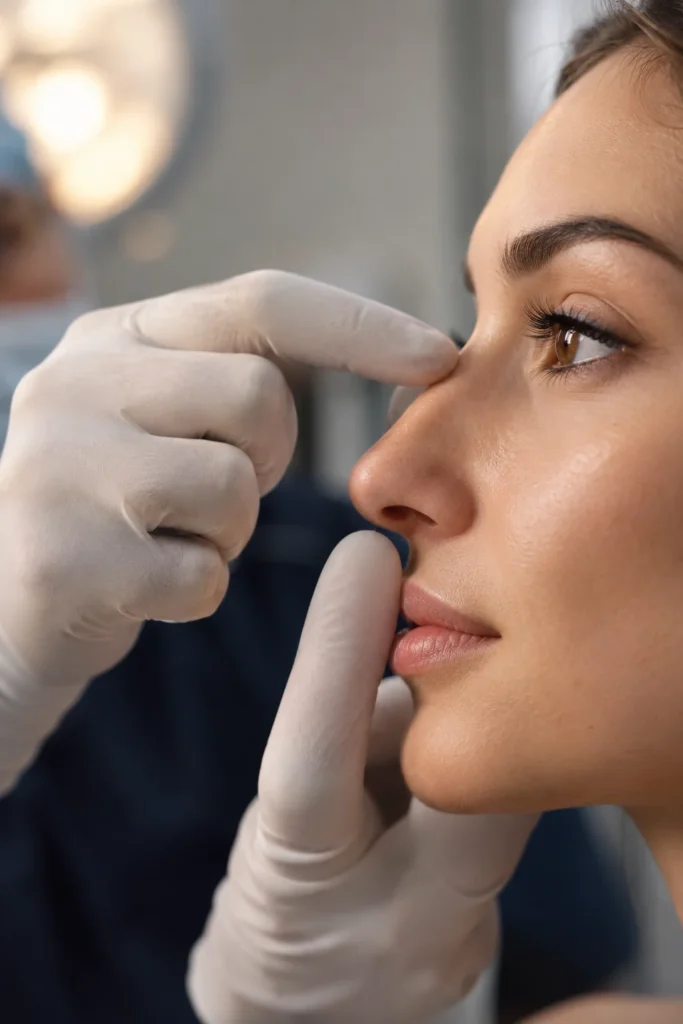
How to Prepare for Rhinoplasty in Turkey: A Pre-Surgery Checklist starts with understanding your surgical plan, organizing your travel, following your surgeon’s pre-operative instructions, and preparing for the first days of recovery. Good preparation can make the entire experience feel more organized and manageable, especially when you travel internationally for surgery. From medical evaluations and medication discussions to packing and arranging accommodation, each step deserves attention. A clear checklist also helps you arrive in Turkey knowing what to expect before your rhinoplasty procedure.
Rhinoplasty is a highly individualized procedure. Some people seek surgery to change the size, shape, bridge, or tip of the nose, while others want to address structural or functional concerns. Because every patient has different facial features, medical history, expectations, and surgical needs, preparation should always follow an individualized plan created with the surgical team.
Table of Contents
Toggle1. Understand Your Rhinoplasty Plan Before Traveling
Before booking flights or packing your suitcase, make sure you understand what your rhinoplasty plan involves. Your consultation gives you an opportunity to discuss your expectations, nasal structure, previous procedures, medical history, and any functional concerns you may have.
During this stage, ask your surgeon what changes the procedure aims to achieve and what limitations may apply to your individual anatomy. Bringing reference photographs may help communicate preferences, but they should serve as a discussion tool rather than an exact template for the surgical outcome.
Patients considering Rhinoplasty in Turkey should also clarify the overall treatment timeline. Ask how long you should stay in Turkey, when your pre-operative assessment will take place, when the first follow-up appointment is planned, and when the surgical team expects to remove or check the nasal splint if one forms part of your treatment plan.
This information helps you organize your trip around medical needs rather than treating surgery like a short holiday.
2. Share Your Complete Medical History
Your surgical team needs an accurate picture of your health before planning rhinoplasty. Share your medical history openly, including previous surgeries, chronic conditions, allergies, current medications, supplements, and any previous reactions to anesthesia.
You should also mention previous nasal injuries or nasal surgery. Even an old injury can influence the structure of the nose and may affect surgical planning.
Do not leave out vitamins, herbal products, or over-the-counter medications simply because you do not consider them “medication.” Some products can affect bleeding, anesthesia, or recovery. Your surgeon or medical team can tell you which products you can continue and which ones require changes before surgery.
Never stop prescription medication on your own. Discuss medication changes directly with the relevant healthcare professional and follow the instructions they provide.
3. Complete the Requested Pre-Operative Tests
Your surgical team may request specific medical assessments before surgery based on your age, medical history, procedure, and anesthesia plan. These may include blood tests or other examinations when clinically appropriate.
Complete requested tests within the timeframe provided by your medical team. If you complete tests in your home country, ask whether the clinic accepts those results and whether they need a particular format or recent testing date.
International patients should keep digital copies of important medical documents on their phone or cloud storage. You can also carry printed copies in your hand luggage for easier access.
If a test identifies an issue that requires further assessment, your medical team can guide you through the next steps before proceeding with surgery.
4. Review Medications, Supplements, Smoking, and Alcohol
Medication management forms an important part of pre-surgery preparation. Certain medications and supplements can influence bleeding or interact with anesthesia, so your surgical team should review everything you currently take.
Instead of following generic online lists, provide your complete medication and supplement list directly to your medical team. They can give instructions that reflect your individual circumstances.
Smoking and nicotine also deserve attention. Nicotine affects blood circulation and can interfere with normal tissue healing. If you smoke, vape, or use other nicotine-containing products, tell your surgeon before surgery and follow the specific timeline they provide for stopping and restarting them.
You should also ask your surgical team about alcohol consumption before and after the operation. Following individualized instructions rather than making assumptions helps you prepare more safely.
5. Plan Your Trip to Turkey Around Your Surgery
When traveling abroad for rhinoplasty, travel planning becomes part of your preparation checklist.
Avoid creating a tight itinerary. You need enough time for your pre-operative consultation, surgery, early recovery, and follow-up appointments. Your surgeon should determine when you can travel home based on your individual recovery.
Before leaving home, confirm your flight dates, airport transfer, accommodation, clinic location, hospital details, emergency contact information, and scheduled appointments.
Choose accommodation that makes recovery practical. A quiet room, comfortable bed, easy access to food and enough space to rest can make the first days easier. Staying reasonably close to the clinic or hospital may also simplify follow-up visits.
If possible, travel with a companion who can help with transportation, meals, luggage, and everyday tasks during the early recovery period.
6. Prepare Your Home and Recovery Space in Advance
Preparation does not end with the surgery itself. Think about what you will need during your first days of recovery.
Create a comfortable sleeping and resting area before surgery. Your surgeon may recommend keeping your head elevated during early recovery, so ask whether you should prepare additional pillows or another supportive setup.
Stock your accommodation with easy-to-prepare meals, water, tissues, comfortable clothing, and basic personal-care items. Front-opening shirts, zip-up tops, or loose clothing can make dressing easier because you do not need to pull them over your face.
If you wear glasses, ask your surgeon how and when you can use them after rhinoplasty. Depending on your procedure and nasal structure, your surgical team may provide specific instructions about pressure on the nose.
7. Know What to Pack for Rhinoplasty in Turkey
Packing strategically can make your surgical trip more comfortable. You do not need a large amount of luggage, but you should bring practical items that support travel and early recovery.
Useful items may include:
Passport and travel documents
Medical reports requested by the clinic
Regular medications in their original packaging
Comfortable front-opening clothing
Slip-on shoes
Phone charger and travel adapter
Personal hygiene products
Sunglasses for outdoor use after your medical team approves them
A small neck pillow for travel
Contact information for your clinic and surgeon
Keep essential documents and prescription medication in your hand luggage rather than checked baggage.
8. Follow Eating and Drinking Instructions Before Surgery
Your surgical team will give you specific fasting instructions before anesthesia. Follow these instructions exactly.
Do not rely on a general rule you found online because fasting requirements can vary according to anesthesia protocols and individual circumstances. Your medical team should tell you when to stop eating and drinking before your scheduled procedure.
If anything about the instructions seems unclear, contact the clinic before surgery rather than guessing.
Patients with conditions that affect blood sugar or those taking regular medication should discuss their pre-operative routine directly with their healthcare team.
9. Prepare for the Day of Rhinoplasty
The day of surgery often feels less stressful when you already know what to expect.
Follow your clinic’s instructions regarding showering, skincare products, makeup, jewelry, contact lenses, and clothing. Wear comfortable clothes that are easy to put on and remove without pulling them over your head.
Bring only the belongings you need. Leave valuable jewelry and unnecessary items at your accommodation.
Before the procedure, your surgeon may review the surgical plan with you again. Use this opportunity to ask any final questions. Clear communication matters, particularly when you have traveled internationally for treatment.
10. Set Realistic Expectations About Early Recovery
Rhinoplasty recovery develops gradually. Swelling, bruising, nasal congestion, and temporary changes in appearance can occur during the early stages. The nose does not immediately show its final appearance after surgery.
Your surgeon will explain what you can expect based on the technique and extent of your procedure. Follow their instructions regarding sleeping position, physical activity, nasal care, showering, sun exposure, and returning to daily activities.
Avoid judging your final appearance during the first days or weeks. Swelling can change how different areas of the nose look, and refinement generally continues over time.
If you plan other Facial Surgeries in Turkey, discuss timing carefully with your surgeon. Combining or separating procedures depends on your anatomy, health, surgical goals, and the complexity of each operation.
11. Choose Your Surgeon Based on More Than Before-and-After Photos
Before-and-after photographs can help you understand a surgeon’s aesthetic approach, but they should not serve as your only selection criterion.
Review the surgeon’s qualifications, professional experience, communication process, facility standards, consultation approach, and follow-up system. Ask who you can contact after surgery and how the clinic handles concerns once you return home.
Communication deserves particular attention when you travel internationally. You should understand your surgical plan, recovery instructions, potential risks, limitations, and follow-up process before giving consent.
When choosing an aesthetic plastic surgeon, focus on relevant training and experience as well as whether the surgeon creates a treatment plan around your individual facial anatomy and goals.
12. Arrange Your Follow-Up Before Returning Home
Follow-up care forms an important part of the rhinoplasty journey. Before surgery, ask when your first follow-up appointment will take place and how many in-person checks the surgical team expects during your stay.
You should also know how follow-up works after you return to your home country. Some clinics provide remote appointments, photo evaluations, or scheduled online consultations for international patients.
Save the clinic’s contact information and ask which symptoms require prompt medical attention. Having this information before surgery means you will not need to search for instructions while recovering.
Keep your discharge documents, medication instructions, operative information, and follow-up schedule together so you can access them easily.
Pre-Surgery Rhinoplasty Checklist
Before traveling for rhinoplasty, check that you have:
Discussed your goals and expectations with your surgeon
Shared your complete medical history
Provided a full list of medications and supplements
Completed all requested medical tests
Followed instructions regarding nicotine and alcohol
Confirmed your flight and accommodation
Planned enough time in Turkey for follow-up care
Arranged transportation between the airport, hotel, and clinic
Prepared comfortable clothing and recovery essentials
Confirmed fasting instructions
Saved your clinic’s emergency contact details
Planned your first follow-up appointment
Asked when your surgeon considers it appropriate for you to fly home
Preparing these details in advance allows you to focus more fully on your procedure and recovery once you arrive in Turkey.
Frequently Asked Questions
1. How long should I stay in Turkey after rhinoplasty?
The recommended stay varies according to the procedure, recovery progress, and your surgeon’s follow-up plan. Your surgical team should provide a personalized timeline before you book your return flight.
2. What should I bring to Turkey for rhinoplasty?
Bring your passport, requested medical documents, prescription medications, comfortable front-opening clothing, personal-care essentials, chargers, and clinic contact information. Keep important documents and medication in your hand luggage.
3. Can I fly immediately after rhinoplasty?
Your surgeon should decide when air travel is appropriate based on your procedure and recovery. Avoid scheduling a return flight too close to surgery and leave enough time for the required post-operative checks.
4. Should I stop taking medication before rhinoplasty?
Do not stop prescription medication without medical guidance. Give your surgeon a complete list of prescription drugs, over-the-counter products, vitamins, and supplements so your healthcare team can provide individualized instructions.
5. How can I prepare for rhinoplasty recovery before traveling?
Plan your accommodation, arrange transportation, prepare comfortable clothing, organize meals and everyday essentials, and understand your follow-up schedule. Ask your surgeon about sleeping position, activity restrictions, nasal care, travel, and the symptoms that require medical attention.