


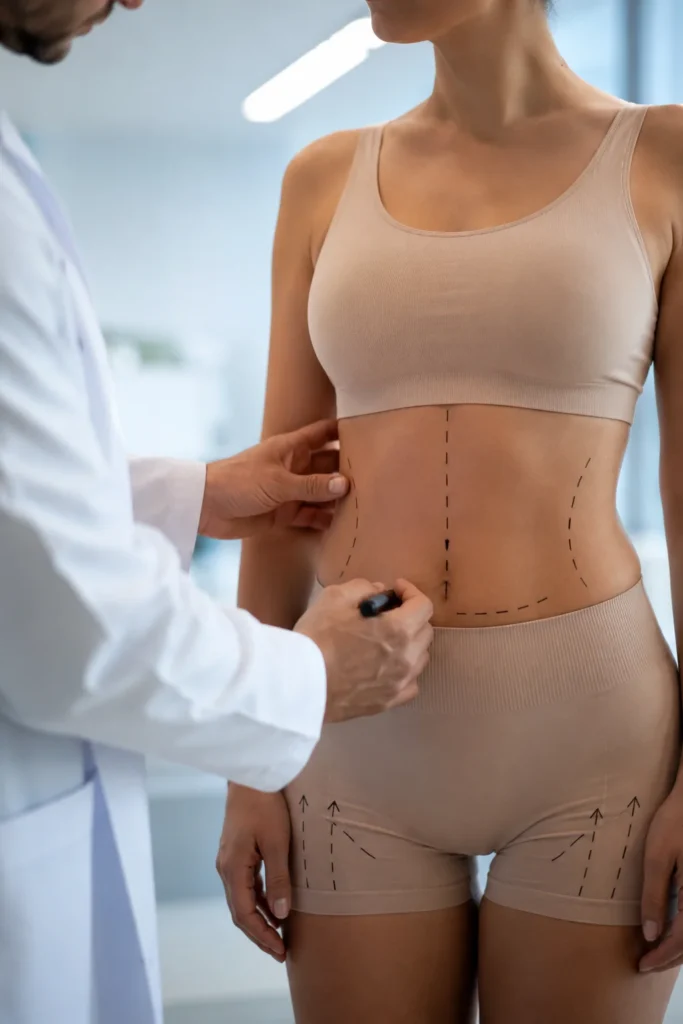
Liposuction in Turkey: Which Areas Respond Best to Treatment? The areas that typically respond best to liposuction include the abdomen, waist, hips, thighs, upper arms, back, and under the chin, especially when the concern involves localized fat deposits rather than general weight loss. Liposuction can reshape these areas by removing stubborn fat that does not respond well to diet and exercise. The best treatment area varies from person to person, so body structure, skin quality, fat distribution, and individual expectations all play an important role in treatment planning.
Liposuction remains one of the most familiar body-contouring procedures for people who want more defined proportions without dramatically changing their natural body shape. Rather than acting as a weight-loss method, it focuses on specific areas where fat tends to remain despite an active lifestyle and balanced nutrition.
People considering Liposuction in Turkey often want to know which body areas tend to show the clearest change after treatment. Although several regions can respond well, certain areas usually offer particularly noticeable contour improvement because their fat deposits are localized and accessible.
Table of Contents
ToggleHow Does Liposuction Reshape the Body?
Liposuction removes targeted fat cells from carefully selected areas of the body. During treatment, the surgeon works beneath the skin to reduce excess fat and improve the transition between surrounding body contours.
The procedure does not simply focus on removing as much fat as possible. A balanced approach looks at proportions, symmetry, skin quality, and the relationship between different body areas. For example, reducing abdominal fat without considering the waist may create a less harmonious shape than treating both regions together when appropriate.
This is why body-contouring planning requires a personalized approach. Two people with similar body weights may need completely different treatment plans because their fat distribution, muscle structure, skin elasticity, and skeletal proportions differ.
Liposuction also cannot replace healthy lifestyle habits. Its main purpose involves shaping localized areas rather than creating major changes on the scale. Patients who maintain a relatively stable body weight generally have a clearer foundation for evaluating their contour goals.
Abdomen: One of the Most Popular Liposuction Areas
The abdomen ranks among the most common areas for liposuction because stubborn fat frequently accumulates around the upper and lower abdominal regions.
Even people who exercise regularly may notice a persistent pocket of fat below the belly button. Genetics, age, hormonal changes, and previous weight fluctuations can all influence this pattern.
Abdominal liposuction can create a flatter and more balanced contour by targeting excess fat beneath the skin. The surgeon may treat the upper abdomen, lower abdomen, or both depending on the patient’s anatomy.
However, abdominal fullness does not always come only from fat. Loose skin, weakened abdominal muscles, or internal visceral fat can also affect the appearance of the stomach. Liposuction specifically targets subcutaneous fat, so a detailed physical evaluation helps determine whether the procedure matches the person’s needs.
For people exploring different Body Surgeries in Turkey, abdominal liposuction often forms part of a broader body-contouring discussion. Some patients focus only on localized fat removal, while others may need additional approaches when skin laxity plays a major role.
Waist and Flanks: Creating a More Defined Silhouette
The waist and flanks often respond particularly well to liposuction because even moderate fat reduction can noticeably change the body’s outline.
Fat deposits around the sides of the waist, sometimes called “love handles,” can make the torso look straighter or wider. Removing excess fat from these areas can enhance the natural curve between the ribs, waist, and hips.
Treating the waist together with the abdomen can also improve the body’s appearance from several angles. Rather than looking only at the front view, careful contouring considers the side and back profiles as well.
This three-dimensional perspective matters because body contouring depends on smooth transitions. The goal does not involve creating an artificial or exaggerated waist. Instead, the surgeon works with the person’s existing proportions to develop a more refined silhouette.
People with good skin elasticity often notice stronger definition after fat reduction because the skin can adapt more effectively to the new underlying contour.
Hips and Outer Thighs: Improving Lower-Body Proportions
The hips and outer thighs represent another common area where localized fat may resist exercise and dietary changes.
Some people naturally store more fat around the outer thighs, creating a wider contour around the lower body. Others notice disproportion between the upper and lower body even at a stable weight.
Liposuction can reduce selected fat deposits around the hips and thighs to create smoother transitions between the waist, buttocks, and legs.
The surgeon must approach this region carefully because aggressive fat removal can create irregularities or disrupt natural curves. Balanced contouring often produces a more attractive appearance than simply removing the greatest possible amount of fat.
Lower-body shape also depends heavily on genetics. Liposuction can refine proportions, but it does not change the underlying bone structure. A realistic treatment plan respects these anatomical limits while identifying areas where contour improvement can make a meaningful difference.
Inner Thighs: Reducing Localized Fullness
Inner thigh fat can create discomfort for some people, particularly when the thighs rub together during walking or physical activity.
Liposuction can target localized fat along the inner thighs and improve the transition from the upper leg toward the knee. Because the skin in this area can vary considerably in firmness, skin quality becomes especially important during treatment planning.
Patients with good elasticity usually have a stronger ability to adapt after fat removal. When significant skin laxity already exists, removing too much fat may not create the desired appearance.
The surgeon therefore evaluates not only the amount of fat but also the quality of the overlying tissue. This assessment helps determine how much contour refinement the area can realistically achieve.
Upper Arms: A More Refined Arm Contour
Localized fat along the upper arms can make the arms appear heavier even when the rest of the body looks relatively slim.
Liposuction can reduce excess fat in carefully selected patients and create a more streamlined transition between the shoulder and elbow.
This treatment works particularly well when excess volume comes mainly from fat and the skin still has reasonable elasticity. When substantial loose skin contributes to the concern, fat removal alone may not fully address the appearance.
People comparing different Body Surgeries in Turkey should understand this distinction because arm contouring can involve different procedures depending on the degree of fat accumulation and skin laxity.
A consultation with an experienced aesthetic plastic surgeon can help clarify whether liposuction alone fits the patient’s anatomy or whether another body-contouring approach deserves consideration.
Back and Bra-Line Fat
The upper and lower back can develop localized fat deposits that remain visible through fitted clothing.
For women in particular, fullness around the bra line may create noticeable bulges across the upper back. Men can also develop persistent fat around the lower back and waist.
Liposuction can target these areas to create smoother body lines. Because the back connects visually with the waist, flanks, and hips, surgeons often evaluate these regions together instead of treating each area in isolation.
Small changes in back contour can sometimes make the waist look more defined without directly focusing on dramatic fat removal.
This region illustrates why successful liposuction depends on proportion rather than simply volume. The surgeon considers how different zones flow into each other to avoid abrupt transitions.
Under the Chin and Neck Area
Although many people associate liposuction with the body, the area beneath the chin can also respond well when localized fat creates a less defined jawline.
Submental liposuction targets fat below the chin and along the upper neck. Reducing this fullness can reveal more of the natural separation between the jaw and neck.
Younger patients with firm skin frequently show good contour adaptation after treatment. Skin elasticity remains important because loose skin can limit how much definition fat removal alone provides.
The amount of fat in this region may appear relatively small compared with abdominal or thigh fat, yet even a modest reduction can create a noticeable visual change because the face and jawline remain highly visible.
Which Areas Usually Show the Most Noticeable Change?
The abdomen, waist, flanks, thighs, upper arms, back, and chin all respond well in properly selected patients. However, the most noticeable improvement usually comes from treating an area where a localized fat pocket creates obvious disproportion.
For example, someone with a naturally narrow waist but persistent lower-abdominal fat may notice a significant change from treating only the abdomen. Another person may achieve greater visual improvement by contouring the waist and flanks together.
There is no universal “best” area because treatment success depends on the person’s starting anatomy.
Skin elasticity also affects how clearly the new contour appears. Firm skin generally adjusts better after fat removal, while loose or heavily stretched skin may require a different treatment strategy.
Who Is a Good Candidate for Liposuction?
A suitable candidate usually has localized fat deposits, relatively stable body weight, realistic expectations, and sufficient skin elasticity.
Liposuction works best for body contouring rather than general weight reduction. Someone seeking to lose a significant amount of weight may benefit more from reaching a stable weight before considering cosmetic contouring.
General health also matters because every surgical procedure requires appropriate medical assessment. During consultation, the surgeon reviews health history, current medications, previous operations, lifestyle habits, and personal goals.
The conversation should also cover what liposuction can and cannot change. Clear expectations help patients evaluate treatment from a realistic perspective rather than expecting a completely different body shape.
How Many Areas Can Be Treated at the Same Time?
Surgeons can sometimes treat more than one area during the same operation. Common combinations include the abdomen and waist, hips and thighs, or abdomen, flanks, and lower back.
The appropriate number of treatment areas depends on several factors, including the patient’s health, the amount of fat targeted, surgical duration, and the overall treatment plan.
Combining areas does not automatically create better results. The priority remains safe, proportional contouring.
A carefully planned approach often focuses on connected regions that influence one another visually. For example, treating both the waist and flanks can create a more continuous contour than focusing on an isolated pocket without considering the surrounding anatomy.
What Can Affect Liposuction Results?
Several factors influence how the body responds after liposuction. Skin elasticity, body weight, age, genetics, fat distribution, and lifestyle habits all contribute to the final contour.
Maintaining a stable weight plays an important role because remaining fat cells can enlarge if a person gains significant weight after surgery. Liposuction removes targeted fat cells, but it does not prevent future weight changes.
Regular physical activity, balanced nutrition, hydration, and consistent weight management can help preserve the new body proportions over time.
Healing also takes time. Swelling may temporarily hide the new shape during the early recovery period. As swelling gradually decreases, the treated contours usually become easier to evaluate.
Planning Liposuction in Turkey Around Your Body Goals
Choosing Liposuction in Turkey should begin with a clear discussion about body proportions rather than a simple list of areas to treat. A personalized evaluation can identify which fat deposits create the greatest imbalance and which areas may deliver the most meaningful contour improvement.
Some patients need only one focused treatment area, while others benefit from addressing connected zones. The abdomen and waist, for example, often work together visually, just as the hips and thighs influence the overall lower-body silhouette.
People researching cosmetic procedures should focus on realistic goals, individualized planning, surgeon experience, clinic standards, and detailed preoperative assessment. Liposuction can refine stubborn areas effectively when the treatment plan respects the body’s natural anatomy and aims for smooth, balanced proportions.
Frequently Asked Questions
1. Which body area responds best to liposuction?
The abdomen, waist, flanks, hips, thighs, upper arms, back, and under-chin area commonly respond well. The best area depends on where localized fat creates the greatest disproportion.
2. Is liposuction suitable for weight loss?
No. Liposuction focuses on body contouring rather than significant weight loss. It works best for people who remain relatively close to a stable body weight but struggle with stubborn fat deposits.
3. Can the abdomen and waist be treated together?
Yes. Surgeons often evaluate the abdomen, waist, and flanks together because these areas strongly influence the shape of the torso. Treating connected regions can create smoother proportions when appropriate.
4. Does skin elasticity affect liposuction?
Yes. Good skin elasticity helps the skin adapt to the newly shaped area after fat removal. Significant skin laxity may limit the improvement that liposuction alone can create.
5. Are liposuction results permanent?
The fat cells removed during liposuction do not return, but remaining fat cells can enlarge with future weight gain. Maintaining a stable weight and healthy lifestyle helps preserve the body contour over time.