


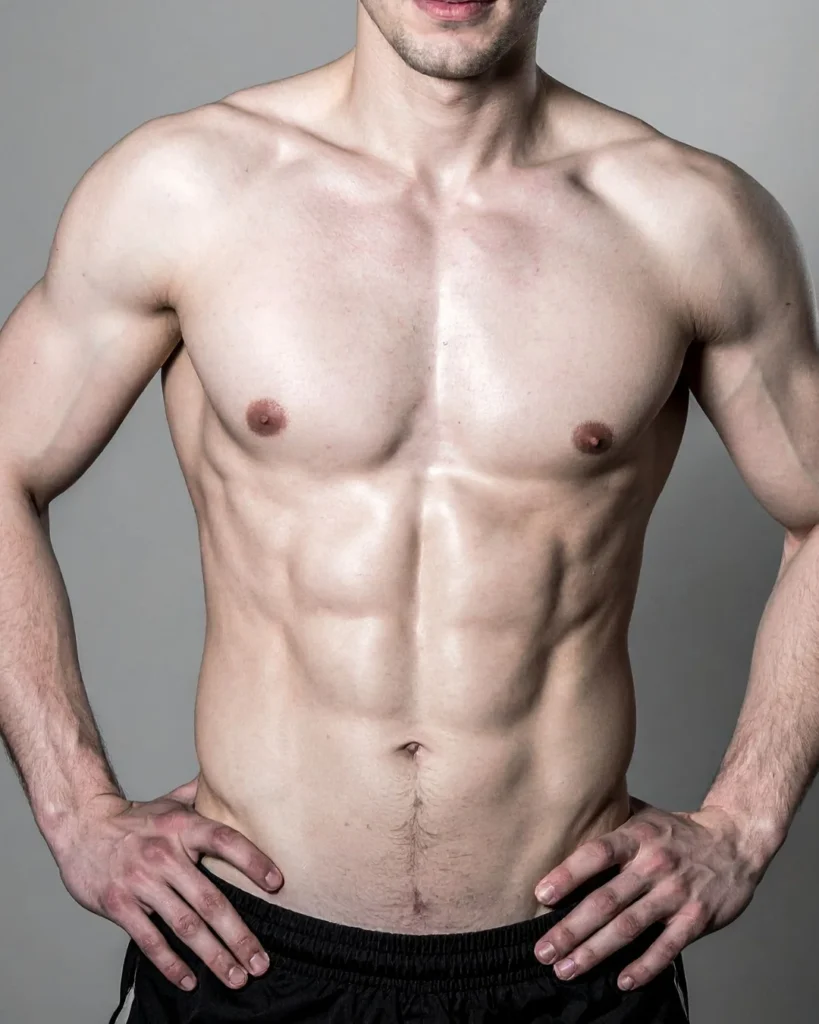
Six Pack Surgery in Turkey: Procedure and Recovery refers to a body-contouring procedure that removes selected fat deposits around the abdominal muscles to create a more athletic and defined appearance. Surgeons commonly perform the operation through high-definition liposuction or abdominal etching techniques. Rather than building abdominal muscles, the procedure highlights the patient’s existing muscle structure by sculpting the fat layer that covers it. Recovery usually develops gradually, and the final appearance becomes clearer as swelling decreases over the following months.
Many people exercise regularly and maintain a balanced diet but still struggle to achieve visible abdominal definition. Genetics, skin quality, fat distribution and previous weight changes can all affect how clearly the abdominal muscles appear. Six pack surgery offers a surgical option for carefully selected patients who remain close to their ideal body weight yet have resistant fat around the abdomen.
Turkey has become a frequently researched destination for cosmetic body procedures because it offers experienced surgical teams, modern hospitals and treatment packages designed for international patients. However, the quality of the assessment, surgical planning and postoperative care matters more than the destination alone.
Table of Contents
ToggleWhat Is Six Pack Surgery?
Six pack surgery is a specialised body-contouring operation that creates definition around the abdominal muscle groups. Medical professionals may also describe it as abdominal etching, high-definition liposuction or six pack liposculpture.
During standard liposuction, the surgeon aims to reduce unwanted fat and improve the general shape of a treatment area. Six pack surgery requires a more detailed approach. The surgeon removes different amounts of fat from specific areas around the rectus abdominis and oblique muscles. This selective fat removal creates subtle lines, shadows and transitions that resemble the appearance of naturally developed abdominal muscles.
Abdominal etching uses precisely targeted liposuction to improve the visibility of the underlying abdominal anatomy. The technique does not create new muscles or replace exercise. It reshapes the superficial fat layer to reveal the patient’s existing muscle contours more clearly.
The operation may focus on:
The vertical line running through the centre of the abdomen
The horizontal separations between abdominal muscle segments
The outer borders of the abdominal muscles
The waist and flanks
The lower abdomen
The oblique muscle lines
The surgeon does not follow the same pattern for every patient. Men and women often prefer different levels of abdominal definition, and each person has a unique muscle structure. A natural-looking result requires customised planning rather than an identical six pack template.
Who Is a Suitable Candidate for Six Pack Surgery?
The strongest candidates already follow a reasonably active lifestyle and remain close to a stable, healthy weight. They usually have moderate fat deposits that cover the abdominal muscles despite exercise and dietary discipline.
A suitable candidate generally has:
Good overall health
A stable body weight
Localised abdominal fat
Reasonably firm and elastic skin
Realistic expectations
Clearly developed abdominal muscles beneath the fat layer
A willingness to maintain the result through exercise and nutrition
Six pack surgery does not provide a weight-loss solution. People who want to lose a considerable amount of weight may need to reach a stable target before discussing abdominal etching.
Skin quality also influences the outcome. High-definition liposuction removes and reshapes fat, but it does not remove large quantities of loose skin. A person with significant skin laxity after pregnancy or major weight loss may require a different operation, such as abdominoplasty. A tummy tuck removes excess skin and fat and can also address weakened abdominal muscles, so it serves a different purpose from abdominal etching.
During the consultation, the surgeon examines the abdomen both while the patient rests and while they contract their muscles. This assessment reveals the natural muscle boundaries and helps the surgeon plan where to reduce fat.
How Is Six Pack Surgery Performed?
Six Pack Surgery in Turkey usually begins with a detailed consultation, medical history review and physical examination. The surgical team may request blood tests and additional examinations according to the patient’s health, age and planned anaesthesia.
Before surgery, the surgeon marks the abdominal muscle lines while the patient stands. These markings create a map for the operation because body contours change when the patient lies down.
The exact technique varies between surgeons, but the procedure generally includes several stages.
Anaesthesia
The surgical team performs the procedure under general anaesthesia or, in selected cases, local anaesthesia with sedation. The extent of treatment, the patient’s comfort and the surgeon’s approach influence this decision.
Small Incisions
The surgeon creates several small incisions in carefully selected areas. Natural skin folds and discreet locations help keep the incision points less noticeable after healing.
Fat Preparation
The surgeon introduces a fluid solution into the treatment area. This solution can help control bleeding, loosen fat tissue and support a smoother fat-removal process.
High-Definition Fat Removal
A thin tube called a cannula removes fat from the planned areas. The surgeon works around the natural borders of the abdominal muscles rather than removing fat evenly across the entire stomach.
More fat may remain over some areas, while the surgeon removes additional fat from the grooves between muscle groups. This variation produces the highlights and shadows associated with abdominal definition.
Some clinics use power-assisted, ultrasound-assisted or Vaser-based technologies. These technologies may help the surgeon work precisely around fibrous tissue, but no device guarantees a particular outcome. Surgical skill, patient selection and postoperative care remain central to the quality of the result.
Waist and Flank Contouring
A defined abdomen can look unnatural when the surrounding waist and flanks remain untreated. For this reason, the surgeon may include these areas in the surgical plan. Contouring the abdomen as part of the whole torso often creates a more balanced transition.
The procedure may take several hours, depending on the number of areas involved and the complexity of the desired definition.
What Happens During the First Days of Recovery?
Patients commonly experience swelling, bruising, tenderness, tightness and mild fluid drainage from the incision areas during the first stage of recovery. These effects usually decrease gradually.
The surgical team normally provides instructions covering medication, incision care, activity restrictions, compression garments and follow-up appointments. Patients should follow their own surgeon’s plan because recovery differs according to the surgical technique and the extent of fat removal.
A compression garment plays an important role after abdominal etching. It supports the newly sculpted tissues, helps control swelling and encourages the skin to adapt to the new contours. The NHS notes that patients commonly wear elastic support garments or compression bandages for several weeks after liposuction to reduce swelling and bruising.
Patients usually begin taking short, gentle walks soon after surgery. Light movement supports circulation and reduces the stiffness that can develop after lying down for long periods. However, patients need to avoid strenuous activity, lifting and abdominal exercises during the early healing period.
Sleeping with the upper body slightly elevated may reduce discomfort and swelling. Some patients also find it easier to keep their knees gently bent while resting because this position reduces tension across the abdomen.
Six Pack Surgery Recovery Timeline
Every patient heals at a different pace, but a general recovery timeline can help patients understand what to expect.
First Week
Swelling, bruising and tenderness tend to appear most noticeably during the first week. Patients limit their daily activity and focus on rest, short walks, hydration and their prescribed care routine.
The abdomen may initially look more swollen and less defined than expected. This appearance does not represent the final outcome.
Weeks Two and Three
Many patients feel more comfortable during the second and third weeks. People with desk-based jobs may return to work when their surgeon approves, although physical jobs often require a longer break.
The American Society of Plastic Surgeons explains that liposuction patients often begin feeling considerably better during weeks two and three, while exercise and demanding activities still remain limited.
Weeks Four to Six
Bruising usually fades, and swelling begins to decrease more clearly. The initial abdominal lines become easier to see, although some areas can still feel firm, numb or uneven.
The surgeon may gradually allow more physical activity. Patients should not restart intense abdominal training simply because they feel better. Internal tissues need more time to heal than the external incisions.
After Six Weeks
Many patients return to a broader exercise routine after receiving medical approval. Swelling can continue to fluctuate, especially after activity, salty meals or long periods of standing.
The body continues adapting to its new contours for several months. Final definition does not appear immediately after surgery.
When Can Patients Exercise Again?
Light walking usually begins during the first days, but gym training requires a staged return. The surgeon considers the extent of liposuction, additional treatment areas and the patient’s healing progress before approving exercise.
A gradual plan may include:
Gentle walking during the first stage
Longer walks as comfort improves
Light lower-body or upper-body activity after medical approval
Moderate cardiovascular exercise later in recovery
Abdominal resistance training after the tissues have healed sufficiently
Full-intensity training only after surgical clearance
Returning too quickly can increase swelling, discomfort and the risk of fluid accumulation. Exercise should support recovery rather than compete with it.
Once the surgeon allows training, strengthening the core helps support the appearance created through abdominal etching. However, patients should avoid excessive bulking if they want to preserve a lean, etched look.
What Results Can Patients Expect?
Six pack surgery aims to create a more defined, athletic abdominal contour. The amount of definition varies according to the patient’s anatomy, skin thickness, muscle development and personal preference.
Some patients want strong, highly visible abdominal lines. Others prefer softer definition that looks natural even when the muscles remain relaxed. Patients should discuss photographs, lifestyle and aesthetic goals during the consultation so the surgeon can plan the appropriate level of sculpting.
The early result becomes visible once the first major swelling decreases, but the abdomen continues changing over time. Residual swelling, scar tissue and tissue firmness can temporarily hide fine details. Many patients notice gradual refinement over three to six months.
The procedure can create long-lasting changes because removed fat cells do not grow back in the same way. However, the remaining fat cells can increase in size when a person gains weight. Significant weight fluctuations may soften the abdominal lines or create uneven fat distribution.
For this reason, patients should maintain:
A stable body weight
Regular exercise
Consistent core training
Balanced nutrition
Adequate hydration
Healthy sleep habits
Six pack surgery enhances body contours, but lifestyle habits protect them.
Will the Abdomen Look Natural?
Natural results depend on correct patient selection and precise surgical planning. Excessively deep grooves, identical muscle blocks or aggressive fat removal can create an artificial appearance.
A skilled surgeon follows the patient’s individual anatomy rather than forcing a standard pattern onto the abdomen. The surgeon also considers how the abdomen connects with the chest, waist, flanks and lower torso.
Natural definition should change with posture and muscle contraction. The abdomen should look athletic when relaxed and become more prominent when the patient tightens the core.
Patients should review a surgeon’s previous abdominal etching cases and look for results involving people with similar body types. Before-and-after images can reveal whether the surgeon creates subtle, anatomical contours or an overly carved appearance.
Are the Results Permanent?
The fat cells removed during liposuction do not regenerate in large numbers. This means the new contour can remain stable for many years when the patient maintains a consistent weight.
However, surgery does not prevent future weight gain. Remaining fat cells can enlarge, and the body may store new fat in treated and untreated areas. Pregnancy, ageing, hormonal changes and major weight fluctuations can also affect abdominal skin and definition.
A stable lifestyle therefore forms an important part of maintaining the surgical result. Six pack surgery should complement healthy habits rather than replace them.
Risks and Possible Complications
Six pack surgery involves the general risks associated with liposuction and anaesthesia. Patients need to understand these risks before making a decision.
Possible complications include:
Bleeding
Infection
Fluid accumulation
Persistent swelling
Numbness or altered sensation
Skin irregularities
Asymmetry
Excessively deep or unnatural grooves
Loose skin
Delayed healing
Noticeable scars
Blood clots
Anaesthesia-related complications
The need for revision surgery
Contour irregularity represents one of the recognised concerns after liposuction. Uneven fat removal, skin laxity, scar tissue and individual healing patterns can all influence the final surface of the abdomen.
Patients can reduce avoidable risks by choosing a qualified plastic surgeon, sharing their full medical history, stopping smoking and following all preparation and recovery instructions.
Severe pain, sudden swelling, breathing difficulty, chest pain, heavy bleeding, fever or unusual discharge require urgent medical attention.
Why Do Patients Consider Six Pack Surgery in Turkey?
International patients often research Six Pack Surgery in Turkey because the country has a well-developed medical tourism sector and a wide selection of cosmetic surgery providers.
Treatment plans may include:
Surgical consultations
Hospital fees
Anaesthesia
Compression garments
Medication
Hotel accommodation
Airport and clinic transfers
Translation assistance
Postoperative check-ups
Package details vary considerably between providers. Patients should ask exactly what the quoted price includes and whether the clinic provides support after the patient returns home.
Body Surgeries in Turkey attract patients from many countries, but cost should not form the only selection criterion. A low price cannot compensate for weak surgical planning, inadequate hospital standards or limited follow-up care.
How to Choose a Surgeon and Clinic
Choosing the right surgical team requires careful research. Patients should examine the surgeon’s qualifications, specialist training, experience with high-definition liposuction and record of abdominal etching procedures.
Important questions include:
How often does the surgeon perform six pack surgery?
Does the surgeon operate in an accredited hospital?
Who administers the anaesthesia?
What technique will the surgeon use?
What level of definition suits the patient’s anatomy?
How does the clinic manage complications?
Who provides postoperative care?
How long should the patient remain in Turkey?
What happens after the patient returns home?
Does the quoted fee include follow-up appointments?
A responsible surgeon should also explain when the procedure does not suit a patient. Clear communication and realistic planning matter more than promises of perfect or guaranteed results.
Frequently Asked Questions
1. Does six pack surgery create actual abdominal muscles?
No. Six pack surgery does not build or strengthen muscles. The surgeon removes and reshapes fat around the existing abdominal muscles to make their natural structure more visible. Exercise remains necessary for muscle development.
2. Is six pack surgery painful?
Patients usually experience tenderness, tightness, swelling and soreness rather than sharp pain. Prescribed medication can help control discomfort during the early recovery period. Pain levels vary according to the treatment extent and personal sensitivity.
3. How long should I stay in Turkey after surgery?
The required stay depends on the surgeon’s protocol, the extent of the operation and the patient’s recovery. Many international patients remain long enough to attend early postoperative checks before travelling. The surgeon should provide an individual travel plan before surgery.
4. When will I see the final results?
Early definition appears as swelling decreases, but the abdomen continues refining for several months. Many patients see a more settled result between three and six months. Minor changes may continue beyond this period.
5. Can six pack surgery replace diet and exercise?
No. The procedure contours localised fat and highlights existing muscles, but it does not replace healthy nutrition, weight management or physical activity. Maintaining stable habits helps preserve the abdominal definition over the long term.