


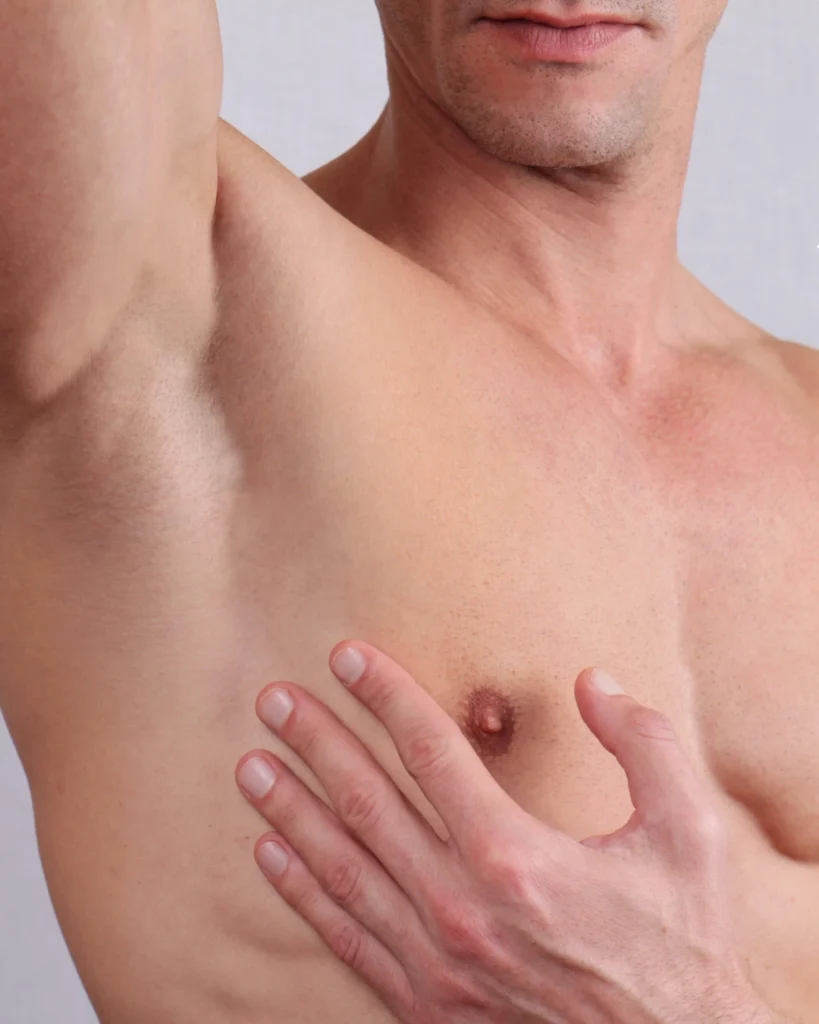
Gynecomastia Surgery Recovery: When Can Men Return to Exercise? Most men can start taking gentle walks shortly after surgery, return to light lower-body exercise within a few weeks, and gradually resume their full workout routine around the sixth week. However, the exact timeline depends on the surgical technique, the amount of tissue removed, the body’s healing response, and the surgeon’s postoperative instructions. Rushing back into chest workouts, heavy lifting, or high-impact training can increase swelling, strain healing tissues, and delay the development of a smooth chest contour.
Men who exercise regularly often find the recovery period challenging because they feel eager to return to the gym. Resting does not mean losing all fitness progress, though. A controlled and gradual approach protects the surgical area while helping the body regain strength safely.
Gynecomastia surgery may involve liposuction, glandular tissue removal, skin removal, or a combination of these methods. Each technique affects the recovery experience differently. A man who undergoes limited liposuction may progress faster than someone who needs extensive gland excision and skin tightening.
The safest approach involves listening to the body, following the surgeon’s instructions, and increasing activity step by step rather than returning to a full training program all at once.
Table of Contents
ToggleWhy Exercise Restrictions Matter After Gynecomastia Surgery
Gynecomastia surgery reshapes the male chest by removing excess fat, glandular tissue, or loose skin. During the operation, the surgeon works beneath the skin and around the chest tissues. Even when the incisions look small, the internal treatment area still needs time to heal.
Exercise raises the heart rate and blood pressure. During the early recovery period, intense activity can increase swelling, bruising, bleeding, and fluid accumulation. Upper-body movements may also pull on the incisions or place excessive tension on the tissues beneath the skin.
Chest exercises create a particularly strong contraction in the pectoral muscles. Movements such as bench presses, push-ups, chest flyes, dips, and cable crossovers can place direct pressure on the surgical area. Starting these exercises too early may worsen discomfort and affect the developing chest contour.
The American Society of Plastic Surgeons notes that patients commonly wear an elastic bandage or compression garment after gynecomastia surgery to reduce swelling and support the chest as it heals. Some patients also need temporary drainage tubes to remove excess fluid.
Exercise restrictions protect more than the incision lines. They also allow the skin to adapt to the new chest shape. The tissues need time to settle, attach smoothly, and develop a stable contour.
The First Week: Rest, Walking, and Basic Movement
The first week focuses on healing rather than fitness. Men commonly experience swelling, tightness, tenderness, bruising, and mild to moderate discomfort during the first few days. These symptoms usually improve gradually throughout the week.
Complete bed rest rarely supports a smooth recovery. Gentle walking around the home encourages circulation, reduces stiffness, and helps the body return to its normal daily rhythm. Short, slow walks often provide enough movement during this stage.
Patients should avoid:
Gym workouts
Running or jogging
Heavy lifting
Push-ups
Pull-ups
Chest training
Fast arm movements
Reaching far above the head
Carrying heavy bags
Household tasks that strain the upper body
Cleveland Clinic advises patients to avoid heavy lifting and overhead arm movements during gynecomastia surgery recovery. It also notes that soreness often improves within about a week, although returning to work may take around two weeks for some patients.
The compression garment usually plays an important role during this period. It applies consistent support to the chest, helps manage swelling, and reduces unnecessary movement around the treatment area. Patients should wear it for the schedule their surgeon recommends rather than removing it early for comfort or appearance.
Sleeping on the back with the upper body slightly elevated can also reduce pressure on the chest. Stomach sleeping and side sleeping may feel uncomfortable and create uneven pressure during the early healing stage.
Weeks Two and Three: Returning to Light Daily Activity
Many men feel noticeably better during the second week. Bruising may fade, swelling may begin to decrease, and daily movement often feels easier. Men with desk-based jobs may return to work during this period, depending on their comfort level and their surgeon’s advice.
Feeling better does not mean the internal tissues have fully healed. This stage often creates a false sense of readiness. A patient may feel energetic enough to exercise but still have delicate tissues beneath the skin.
Walking remains the safest form of activity. Patients can gradually increase the duration and pace of their walks as long as they do not experience increased pain, throbbing, or swelling afterward.
Some surgeons allow gentle lower-body movement during the later part of this period. However, patients should avoid exercises that require heavy gripping, upper-body stabilization, or breath-holding. Even a leg exercise can affect the chest if the patient holds a heavy barbell, braces forcefully, or performs explosive movements.
The NHS recommends avoiding stretching, strenuous exercise, and heavy lifting for around three weeks after male breast reduction. It also states that a full return to normal activities may take approximately six weeks.
Suitable activities during this stage may include:
Longer outdoor walks
Slow treadmill walking
Gentle stationary cycling
Basic lower-body mobility
Light stretching that does not pull the chest
Normal daily tasks that do not involve lifting
Men should stop the activity if the chest feels tighter, more swollen, warmer, or increasingly painful. These signs may indicate that the body needs more rest.
Weeks Three to Four: Introducing Lower-Body Exercise
Around the third or fourth week, some patients receive approval to begin structured lower-body workouts. The surgeon should assess the incisions, swelling, chest shape, and overall healing before the patient increases exercise intensity.
Lower-body exercise allows men to rebuild their routine without placing direct strain on the pectoral muscles. However, the workout should remain lighter than the patient’s usual training program.
Appropriate options may include:
Bodyweight squats
Light leg extensions
Light hamstring curls
Controlled calf raises
Gentle stationary cycling
Moderate-paced walking
Low-resistance elliptical training
Patients should avoid heavy barbell squats during this stage because positioning the bar and stabilizing the weight can strain the shoulders and chest. Heavy deadlifts also require strong upper-body tension and may increase pressure across the surgical area.
Breath control matters as well. Holding the breath while pushing through a difficult repetition can sharply increase internal pressure. Men should use lighter resistance, breathe continuously, and stop well before muscular failure.
The first workout should feel almost too easy. A short session gives the body a chance to show how it responds. If swelling or soreness increases later that day, the patient should reduce the intensity or take several additional rest days.
Weeks Four to Six: Gradually Reintroducing Upper-Body Training
The fourth to sixth weeks often mark the transition toward more familiar exercise. Many men can begin light upper-body training during this period, but chest exercises usually remain limited until the surgeon confirms that the tissues have healed sufficiently.
Patients may start with low resistance and controlled movements for the arms, back, and shoulders. The goal involves restoring movement and coordination rather than testing strength.
Possible exercises include:
Light biceps curls
Light triceps extensions
Low-resistance cable rows
Gentle lateral raises
Controlled shoulder mobility
Light resistance-band exercises
Men should avoid aggressive stretching across the chest. They should also avoid movements that cause pulling around the nipples or incision lines.
Weight selection should remain conservative. A patient who previously trained with heavy dumbbells should not immediately return to the same load. Starting at roughly half the previous training intensity, or even less, allows the body to adjust.
Exercise should not cause sharp pain, burning, sudden tightness, or visible changes in swelling. Mild stiffness may occur, but pain serves as a reason to stop rather than something to push through.
Patients considering Gynecomastia in Turkey should discuss postoperative exercise planning before traveling home. Long-distance travel, limited access to the original surgical team, and individual follow-up arrangements can affect the recovery plan. A clear exercise timeline helps patients avoid making decisions based only on how energetic they feel.
When Can Men Resume Chest Workouts?
Chest training usually returns later than walking, lower-body exercise, and light arm workouts. Many surgeons allow a gradual return to chest exercises at approximately six weeks, provided that the incisions have healed and swelling remains under control.
The first chest workout should not include maximum weights, explosive repetitions, or training to failure. Men should treat the session as a movement assessment.
A cautious return may begin with:
Wall push-ups
Incline push-ups
Very light machine chest presses
Low-resistance cable movements
Short sets with a controlled range of motion
Flat bench presses, weighted dips, heavy dumbbell presses, and wide chest flyes place greater stress on the treatment area. Patients should add these exercises later and only after they tolerate lighter movements without discomfort.
Muscle memory often helps strength return faster than expected. However, the chest contour needs more protection than the muscles need stimulation. Training patiently for several weeks supports a better long-term outcome than forcing an early return.
The surgeon may extend restrictions beyond six weeks when the procedure includes extensive gland removal, skin excision, nipple repositioning, correction of significant asymmetry, or treatment of postoperative complications.
Returning to Running, Swimming, and Contact Sports
Different sports place different types of stress on the healing chest. The return date should reflect the movement pattern and the risk of impact.
Running
Running creates repeated upper-body movement and increases the heart rate quickly. Many men begin with walking, progress to brisk walking, and then introduce short jogging intervals after receiving approval.
A compression garment may reduce chest movement and make early running more comfortable. Patients should avoid long-distance runs or sprint training during the first sessions.
Swimming
Swimming requires strong shoulder and chest movement. It also exposes the incisions to pool water, seawater, and bacteria. Patients should wait until every incision has fully closed and the surgeon has approved water-based exercise.
Breaststroke and butterfly movements place considerable stress across the chest. Gentle swimming may start before intense stroke training, depending on healing.
Contact Sports
Football, basketball, martial arts, wrestling, and similar sports create a risk of direct chest impact. Even when the patient feels physically fit, a collision can injure healing tissues.
Men should return to contact sports only after the surgeon confirms that the chest has healed well enough to tolerate impact. Protective clothing does not replace adequate healing time.
Signs That You May Be Exercising Too Soon
The body often provides clear signals when exercise intensity exceeds the current stage of recovery. Patients should pay attention to changes during the workout and for several hours afterward.
Warning signs include:
Increased swelling
New bruising
Sharp or persistent pain
A sudden pulling sensation
Fluid leakage from an incision
Redness that continues to spread
One side of the chest becoming noticeably larger
A firm or rapidly developing swelling
Fever or unusual warmth
Shortness of breath or chest pain
A sudden one-sided enlargement may indicate bleeding or fluid collection and requires prompt medical assessment. Patients should contact their surgical team rather than waiting for the symptom to settle on its own.
Mild swelling may fluctuate during recovery, especially after physical activity. However, a significant or persistent increase suggests that the workout placed too much strain on the area.
How to Protect Your Results When Returning to the Gym
A careful training plan helps preserve the new chest contour and reduces unnecessary setbacks. Men should rebuild consistency before chasing strength or muscle growth.
Start with shorter workouts. A 20-minute session gives the body less stress than an immediate return to a 90-minute routine. Add time, weight, or training frequency gradually rather than increasing everything at once.
Continue wearing the compression garment for as long as the surgeon recommends. Some patients also wear it during early workouts for additional support.
Avoid comparing recovery timelines with other patients. One man may undergo liposuction alone, while another may need gland excision and skin removal. Their exercise schedules should not look identical.
Nutrition, hydration, and sleep also influence recovery. The body needs adequate protein, vitamins, minerals, fluids, and rest to repair tissue. Extreme dieting during recovery can interfere with energy levels and healing.
For international patients considering Body Surgeries in Turkey, recovery planning should include more than the operation itself. Patients need to account for follow-up appointments, travel arrangements, compression garment use, and temporary exercise restrictions. Following a surgeon-approved activity plan helps protect the chest contour and supports a more controlled return to training.
Smoking and nicotine can restrict blood flow and affect wound healing. Patients should follow their surgeon’s instructions about avoiding cigarettes, vaping, and other nicotine products before and after surgery.
Men arranging Gynecomastia in Turkey should also plan enough time for initial follow-up appointments before returning home. They should keep the surgeon’s contact information, understand how to share photographs if concerns arise, and obtain written guidance for exercise, compression garments, wound care, and travel.
A Practical Exercise Timeline After Gynecomastia Surgery
Every patient needs an individual plan, but the following timeline offers a general overview:
First week: Focus on rest, short walks, compression, and basic daily movement. Avoid the gym and all lifting.
Second week: Increase walking gradually. Return to light daily activities when comfortable. Continue avoiding resistance training.
Third to fourth week: Begin gentle lower-body exercise after surgical approval. Keep resistance low and avoid heavy bracing.
Fourth to sixth week: Introduce light arm, shoulder, and back exercises. Continue limiting direct chest training.
Around the sixth week: Gradually return to chest exercises, running, and more demanding workouts after the surgeon confirms proper healing.
After six weeks: Increase resistance and training volume step by step. Delay contact sports or maximum-effort lifting when swelling, tenderness, or tissue firmness remains.
This timeline provides general guidance rather than a fixed rule. The operating surgeon’s instructions should guide every stage because the surgeon understands the procedure’s extent and the patient’s healing progress.
Frequently Asked Questions
1. Can I walk immediately after gynecomastia surgery?
Most patients can take short, gentle walks soon after surgery. Walking supports circulation and reduces stiffness without placing strong pressure on the chest. Keep the pace slow during the first few days and avoid long walks that increase pain or swelling.
2. When can I start lifting weights after gynecomastia surgery?
Some men begin light lower-body resistance training around the third or fourth week. Light upper-body exercises may follow between weeks four and six. Heavy lifting and direct chest training usually require at least six weeks and approval from the surgeon.
3. When can I do push-ups after male breast reduction?
Push-ups strongly activate the chest muscles, so patients should avoid them during early recovery. Many men start with wall or incline push-ups after approximately six weeks. The surgeon may recommend a longer wait after extensive tissue or skin removal.
4. Will taking six weeks off affect my muscle mass?
A temporary break may cause a small decrease in strength or exercise performance, but it rarely erases long-term fitness progress. Muscle memory generally helps men regain strength after they return to regular training. Protecting the surgical result matters more than maintaining peak performance during early recovery.
5. Can exercise cause gynecomastia to return after surgery?
Exercise does not usually cause gynecomastia to return. However, major weight gain, hormonal changes, certain medications, anabolic steroid use, and some health conditions may contribute to renewed chest enlargement. Maintaining a stable weight and discussing supplements or hormone-related products with a qualified doctor can help protect the result.