


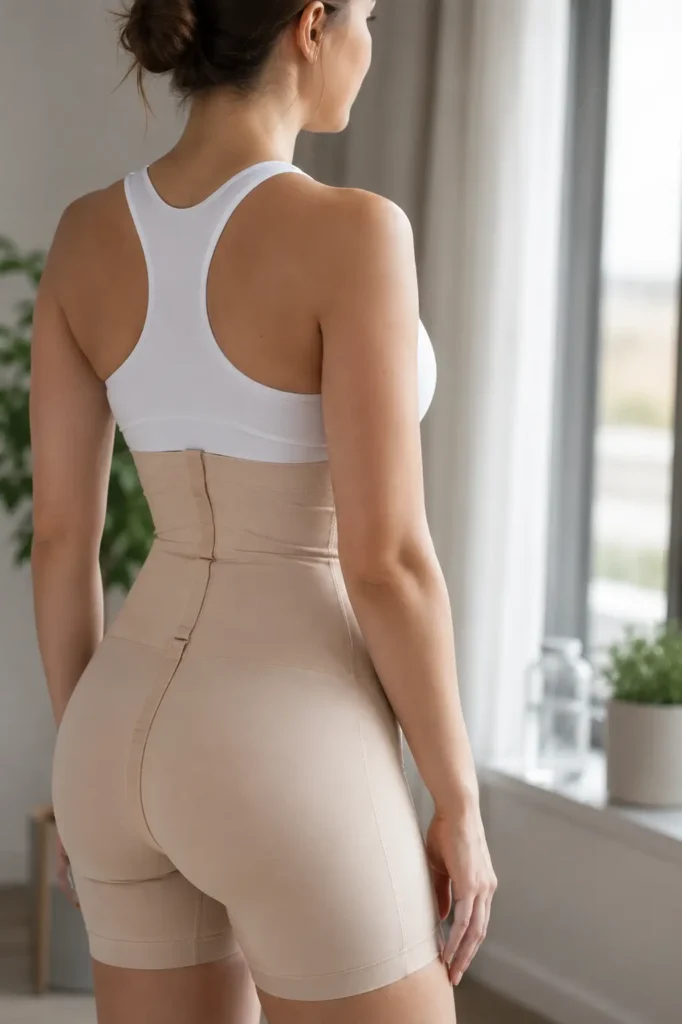
Liposuction Recovery Timeline: Swelling, Bruising and Final Body Shape generally extends over several weeks, while the treated areas may continue to settle for three to six months. Most patients experience the strongest swelling, bruising and tenderness during the first week. These symptoms gradually decrease, allowing the new body contour to become clearer over time. However, the final body shape does not appear immediately after surgery because the tissues need time to heal, fluid retention needs to resolve and the skin needs to adapt to the new contours.
Liposuction can create a noticeable improvement in body proportions, but recovery requires patience. Looking in the mirror during the first few days may feel confusing because swelling can temporarily make the treated area appear larger rather than smaller. This early appearance does not reflect the surgical outcome.
Understanding the liposuction recovery timeline helps patients prepare emotionally and practically. It also prevents unnecessary worry when swelling changes from day to day or when one side appears more swollen than the other.
Table of Contents
ToggleWhat Happens Immediately After Liposuction?
The first phase of liposuction recovery begins as soon as the procedure ends. Your surgeon may place a compression garment around the treated area to support the tissues and control swelling. Depending on the technique, the treatment areas and the amount of fat removed, small amounts of fluid may also drain from the incision points during the first day or two.
You may feel soreness, pressure, stiffness or a burning sensation. Many patients describe this discomfort as similar to intense muscle soreness after a demanding workout. Pain medication prescribed or approved by the surgeon usually helps control these symptoms.
Swelling often develops quickly. Bruising may appear immediately or become more visible during the following days. Redness and temporary numbness can also occur around the treatment area. The American Society of Plastic Surgeons notes that discomfort, swelling, redness and bruising commonly occur after liposuction, while compression garments often form part of the recovery plan.
Patients undergoing liposuction in Turkey should arrange adequate recovery time before travelling home. Even when someone feels well enough to walk and perform simple activities, the body still needs rest. Long flights, heavy luggage and prolonged sitting can make the early recovery period more difficult. Patients should discuss travel timing, circulation precautions and follow-up arrangements directly with their surgeon.
The First Week: Peak Swelling, Bruising and Tenderness
The first week usually represents the most uncomfortable stage of the liposuction recovery timeline. Swelling may reach its highest level during the first several days. Bruising can spread beyond the exact treatment area because blood and tissue fluid move beneath the skin.
For example, liposuction around the abdomen may cause swelling near the hips or lower waist. Treatment of the thighs can produce temporary swelling around the knees or lower legs. Gravity often influences where fluid collects.
During this period, patients usually need to limit physical activity. Short and gentle walks support circulation, but strenuous exercise, heavy lifting and sudden movements can place unnecessary stress on healing tissues. The American Society of Plastic Surgeons advises patients to significantly restrict activity during the first week and monitor pain, bruising and swelling closely.
A compression garment can help manage swelling and support the treated areas. It may also reduce the pulling sensation that some patients feel while walking or changing position. The garment should fit firmly without causing severe pain, numbness, deep marks or breathing difficulty. Patients should follow their surgeon’s instructions because garment type and duration vary according to the treated area and surgical plan.
The body may look uneven during the first week. One side can swell more than the other, and the skin may appear firm, lumpy or irregular. These changes often reflect temporary fluid retention rather than a permanent contour problem.
You may also notice fluctuations throughout the day. Swelling can appear lighter in the morning and increase after standing, sitting or moving around for several hours. Salt intake, hydration, activity levels and individual healing responses can also influence how the body looks.
Weeks Two and Three: Returning to Daily Life
Many patients begin to feel significantly better during the second and third weeks. Pain and tenderness usually decrease, bruising starts to fade and everyday movement becomes easier. People with desk-based jobs may return to work during this period, although the exact timing depends on the number of areas treated and the physical demands of the job.
The American Society of Plastic Surgeons identifies weeks two and three as the period when many patients feel more comfortable and begin returning to work, while still limiting exercise and demanding activities.
Swelling remains visible during this stage. It may feel softer in some areas and firmer in others. The treated region may also feel numb, tingly or unusually sensitive. Temporary numbness can last several weeks as small sensory nerves recover. The NHS notes that numbness may take approximately six to eight weeks to resolve, although individual recovery varies.
Some patients become concerned when they feel small lumps or firm sections beneath the skin. Healing tissues, residual swelling and inflammation can create temporary irregularities. These areas often soften gradually as recovery progresses.
Surgeons may recommend specific aftercare measures based on their technique and the patient’s condition. These may include continued compression, gentle movement or carefully timed massage. Patients should avoid starting massage, lymphatic drainage or other treatments without approval from their own surgeon.
International patients who have liposuction in Turkey should receive clear written instructions before leaving the clinic. These instructions should explain wound care, garment use, medication, permitted activity and warning signs. Patients should also know how to contact the clinical team after returning home.
Weeks Four to Six: The New Contours Become More Visible
By weeks four to six, bruising usually fades substantially or disappears. Swelling often becomes less noticeable, allowing the early body contour to emerge. Clothes may fit differently, and the treated area may appear slimmer or better proportioned.
However, the appearance at six weeks does not necessarily represent the final body shape. Mild or deep swelling may remain, especially after more extensive liposuction or treatment across several areas. The American Society of Plastic Surgeons states that bruising should usually resolve around weeks four and five, while swelling should begin to settle more clearly.
The tissues may still feel firm during this stage. Some sections can appear smoother before others. The skin also needs time to adapt to the reduced fat volume beneath it. Age, skin elasticity, genetics, treatment area and the amount of fat removed all influence this process.
Many patients gradually increase physical activity after receiving their surgeon’s approval. Light exercise may begin first, followed by more demanding workouts. Returning too quickly can increase swelling or discomfort, so activity should progress step by step.
This stage often brings emotional relief because the body begins to look closer to the expected outcome. Even so, daily changes can continue. A treated area may look more defined one day and slightly swollen the next, particularly after exercise, long periods of standing or a salty meal.
Months Two and Three: Continued Reduction in Swelling
During the second and third months, the body shape usually becomes more stable. Residual swelling continues to decrease, tissue firmness improves and the skin often begins to look more natural over the treated contours.
Patients frequently notice that photographs provide a clearer sense of progress than daily mirror checks. Because the changes occur gradually, it can feel difficult to recognise them from one day to the next. Comparing standardised photographs taken in similar lighting and clothing can make the improvement easier to see.
At this stage, many people resume their normal exercise routine. Maintaining stable body weight supports the contour created through surgery. Liposuction removes fat cells from targeted areas, but it does not prevent future weight gain. Remaining fat cells can still enlarge if calorie intake consistently exceeds the body’s needs.
A balanced diet, regular activity, adequate sleep and good hydration help support long-term body contour. Patients do not need to follow an extreme diet. A realistic routine that they can maintain usually offers greater value than aggressive short-term restrictions.
Some mild swelling may still appear after exercise or toward the end of the day. This does not automatically indicate a problem. Cleveland Clinic explains that complete healing after liposuction can take up to six months, depending on the amount of fat removed and the treatment area.
When Does the Final Body Shape Appear?
Most patients see a meaningful improvement within the first several weeks, but the final liposuction results generally develop over several months. For many people, the body contour looks close to its final form around three to six months after surgery.
The Mayo Clinic states that swelling can take weeks or months to settle before patients see their final results. The NHS also notes that swelling and bruising may persist for several months in some cases.
Several factors influence how quickly the final body shape appears:
The number and size of treated areas
The volume of fat removed
The patient’s age and skin elasticity
The liposuction technique
Compression garment use
Activity levels during recovery
Smoking and alcohol habits
Nutrition and hydration
Individual healing speed
Weight changes after surgery
Patients who receive small-volume liposuction in one area may see their contours settle sooner than patients who undergo extensive treatment across the abdomen, waist, back and thighs.
The skin also plays an important role in the outcome. Liposuction reduces fat volume but does not always correct loose skin. Patients with strong skin elasticity may see the skin adapt more closely to the new contour. Those with considerable skin laxity may need a separate skin-removal procedure to achieve their desired appearance.
Why Does Swelling Last So Long After Liposuction?
Liposuction creates controlled trauma beneath the skin. The surgeon moves a thin cannula through the fat layer to remove unwanted fat cells. The body responds by sending fluid and inflammatory cells to the area as part of the healing process.
This response protects damaged tissues, but it also produces swelling. The lymphatic system then gradually removes excess fluid. Because this process takes time, swelling does not disappear immediately.
Deep swelling can last longer than visible surface bruising. A patient may look relatively healed from the outside while still feeling firmness or fullness beneath the skin. The British Association of Aesthetic Plastic Surgeons explains that deeper bruising, swelling and lumpiness can take several months to resolve.
The abdomen, flanks, thighs and lower legs may retain swelling differently. Larger treatment areas and combined procedures also tend to produce a longer recovery period.
How to Support a Smoother Liposuction Recovery
A successful recovery depends on following the personalised instructions provided by the surgical team. General recovery habits can support healing, but they should never replace medical advice.
Wear the compression garment according to your surgeon’s schedule. Keep the incision areas clean and dry as instructed. Take prescribed medication correctly, and avoid taking additional medicines or supplements without checking whether they affect bleeding or healing.
Gentle walking can support circulation during the early recovery period. However, patients should avoid heavy exercise until the surgeon confirms that the tissues can tolerate it.
Drink enough water and choose nutrient-rich meals that include protein, vegetables, fruit and healthy fats. Excessively salty foods may contribute to temporary fluid retention, while smoking can interfere with circulation and tissue healing.
Most importantly, attend follow-up appointments. These visits allow the surgeon to monitor swelling, check incision sites and identify unusual changes early. Patients travelling for surgery in Turkey should establish a clear follow-up plan that continues after they return to their home country.
Warning Signs That Require Medical Attention
Most swelling, bruising and tenderness form part of normal liposuction recovery. However, some symptoms require prompt medical assessment.
Contact your surgeon or seek urgent medical care if you experience sudden shortness of breath, chest pain, fainting, severe weakness or coughing up blood. These symptoms may indicate a medical emergency.
Patients should also report increasing redness, worsening warmth, pus-like drainage, fever, severe pain that does not improve with medication or rapidly increasing swelling. Significant swelling in one leg, especially with pain or redness, also needs urgent evaluation.
Do not rely on online photographs or recovery stories to judge whether a symptom is normal. Every patient receives a different treatment plan and heals at a different rate. Direct communication with the surgical team offers the safest guidance.
Managing Expectations During the Recovery Process
Liposuction recovery involves both physical and emotional adjustment. Patients may feel excited immediately after surgery, then frustrated when swelling hides the expected transformation. This reaction is common.
Try not to judge the final outcome during the first few weeks. Early swelling can distort proportions, create asymmetry and make the skin look uneven. These changes often improve as inflammation decreases.
It also helps to remember that liposuction focuses on body contour rather than weight loss. The number on the scale may not change dramatically, even when clothing fits better and body proportions improve.
A realistic liposuction recovery timeline gives the body enough time to heal. The first week focuses on rest and swelling control. Weeks two and three bring easier movement and a gradual return to work. By weeks four to six, bruising usually fades and the early contours become clearer. During the following months, residual swelling continues to settle until the final body shape becomes visible.
Why Many International Patients Choose Liposuction in Turkey
Every year, thousands of international patients travel for liposuction in Turkey because they can access experienced plastic surgeons, internationally accredited hospitals and comprehensive medical tourism services. Many clinics also provide airport transfers, hotel accommodation, multilingual patient coordinators and personalised recovery plans.
Although these advantages make Turkey one of the world’s leading destinations for cosmetic surgery, patients should always choose a qualified plastic surgeon based on experience, patient safety and transparent communication rather than price alone. Careful research before surgery often contributes to a more comfortable recovery and greater satisfaction with the final body contour.
Frequently Asked Questions
1. How long does swelling last after liposuction?
The strongest swelling usually appears during the first week and decreases gradually over the following weeks. Mild or deep swelling may continue for three to six months, especially after extensive liposuction or treatment of multiple areas.
2. When does bruising disappear after liposuction?
Bruising often begins to fade during the second or third week. Most visible bruising improves substantially within four weeks, although deeper bruising and tenderness may take longer to resolve.
3. When can I return to work after liposuction?
Many patients return to desk-based work within one or two weeks. People with physically demanding jobs may need more recovery time. The number of treated areas and the extent of surgery also affect the return-to-work timeline.
4. When will I see my final body shape?
You may notice early contour changes after several weeks, but the final body shape usually appears within three to six months. Some patients need longer for deep swelling and tissue firmness to disappear completely.
5. Can I fly home shortly after having liposuction in Turkey?
Travel timing depends on the extent of the procedure, your general health and the length of the flight. Long-distance travel can increase discomfort and circulation-related risks during early recovery. Discuss your flight schedule with your surgeon and arrange enough time for initial monitoring before leaving Turkey.