


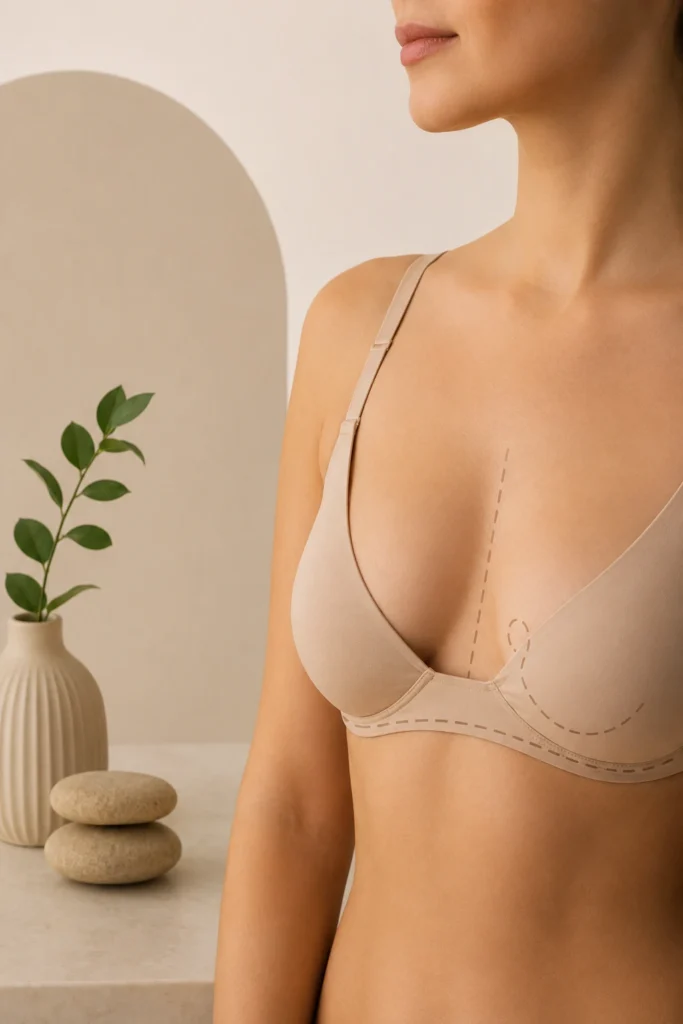
Breast Reduction Scars: What Patients Should Know Before Surgery starts with a clear reality: breast reduction surgery always leaves permanent incision lines, but these scars usually soften, flatten, and fade significantly as the body heals. Their final appearance depends on the surgical technique, the amount of tissue removed, skin quality, genetics, lifestyle habits, and postoperative care. Most patients accept the scars as a reasonable trade-off for lighter breasts, improved comfort, better body proportions, and relief from physical symptoms. Understanding where the scars sit and how they change over time helps patients approach surgery with realistic expectations.
Breast reduction, also known as reduction mammoplasty, removes excess breast tissue, fat, and skin. The surgeon then reshapes and lifts the remaining breast tissue to create a smaller and more proportionate breast contour. Because this process requires incisions, scar-free breast reduction does not exist.
However, “permanent” does not mean that the scars will always look dark, raised, or highly visible. Fresh incisions often appear red, pink, firm, or slightly swollen. Over the following months, they typically become softer and closer to the surrounding skin tone. According to the American Society of Plastic Surgeons, breast reduction carries a risk of unfavorable scarring and poor wound healing, which makes thoughtful surgical planning and careful follow-up important.
Table of Contents
ToggleWhat Do Breast Reduction Scars Look Like?
The pattern of breast reduction scars depends mainly on the incision technique. A plastic surgeon selects the technique according to breast size, skin elasticity, nipple position, the degree of sagging, and the amount of tissue that needs removal.
Patients generally encounter one of three incision patterns.
The Circular or Periareolar Scar
The circular technique creates a scar around the edge of the areola. Surgeons sometimes use this approach for patients who need a relatively small reduction and limited lifting.
The scar follows the natural border between the darker areola and the surrounding breast skin. This placement can make the line less noticeable after healing. However, the circular technique does not suit every patient. It offers limited access and usually cannot address very large breasts or significant sagging.
A patient should not choose this method only because it creates fewer incision lines. The safest and most appropriate technique should always match the patient’s anatomy and surgical needs.
The Vertical or Lollipop Scar
The vertical technique creates one scar around the areola and another line that runs from the lower edge of the areola down to the breast crease. From the front, this pattern resembles a lollipop.
Surgeons often use the vertical method for moderate breast reductions. It allows the surgeon to remove tissue, reshape the breast, and move the nipple to a higher position without creating a long horizontal scar under the breast.
During the first months, the vertical scar may look prominent. The lower breast skin may also appear gathered or slightly uneven. This texture often improves as swelling decreases and the tissues settle.
The Inverted-T or Anchor Scar
The anchor pattern includes a scar around the areola, a vertical scar down the lower breast, and a horizontal scar along the breast crease. Surgeons commonly choose this technique for larger reductions, significant sagging, or cases that require extensive skin removal.
The anchor method creates the longest scar pattern, but it also gives the surgeon greater control over breast shape and tissue removal. Much of the horizontal scar sits in the natural fold beneath the breast, where bras, bikinis, and clothing usually cover it.
Patients considering a breast reduction in Turkey may hear different names for these techniques during online research or consultations. Regardless of terminology, the surgeon should clearly explain the planned incision pattern, the expected scar locations, and the reasons behind the chosen method.
How Do Breast Reduction Scars Change Over Time?
Breast reduction scars do not reach their final appearance within a few weeks. Scar maturation takes time, and the process varies from one person to another.
Immediately after surgery, dressings or surgical tape usually cover the incisions. The breasts may look swollen, bruised, high, or unusually firm. These early changes do not reflect the final breast shape or scar quality.
During the first few weeks, the incision lines often appear pink, red, or dark. They may feel firm, tight, itchy, sensitive, or slightly numb. Mild itching commonly accompanies normal healing, but severe itching, spreading redness, drainage, fever, or increasing pain requires medical attention.
Between the second and sixth months, scars may temporarily look darker or more noticeable. This stage can worry patients who expect constant improvement from the first day. In reality, scars often pass through an active phase before they begin to flatten and fade.
Over the following months, the lines usually soften and lose some of their color. The American Society of Plastic Surgeons notes that breast surgery scars may take close to a year to soften and fade fully.
Some scars continue to improve for 12 to 18 months. A mature scar may appear as a thin, pale line, while another patient may retain darker or wider lines. The final appearance reflects both surgical factors and the individual healing response.
Patients should avoid judging the result too early. The breast shape, nipple position, swelling, and scar appearance all continue to evolve throughout recovery.
What Factors Affect Breast Reduction Scar Appearance?
No surgeon can promise invisible scars. Even when two patients undergo the same procedure, their scars may heal differently. Several factors influence scar quality.
Genetics and Skin Type
Genetics strongly affect the way skin heals. Some people naturally develop thin and flat scars, while others have a greater tendency toward raised, thick, wide, or dark scars.
Patients with a personal or family history of hypertrophic scars or keloids should share this information during the consultation. A hypertrophic scar stays within the original incision boundaries, while a keloid may extend beyond them.
Skin tone also influences pigmentation. Darker skin tones may develop post-inflammatory darkening, while very fair skin may retain pink or red tones for longer. These differences do not necessarily indicate poor healing.
Smoking and Nicotine Use
Nicotine narrows blood vessels and reduces blood flow to healing tissues. This effect increases the risk of delayed wound healing, skin problems, infection, and more noticeable scars.
Cigarettes, electronic cigarettes, nicotine gum, patches, and other nicotine products can all affect healing. Patients should discuss their nicotine use honestly with their surgeon and follow the recommended stop period before and after surgery.
Hiding nicotine use puts the surgical plan and recovery at risk. Open communication gives the surgeon the chance to offer safer guidance.
Tension on the Incisions
Excessive tension can stretch a healing incision and create a wider scar. Breast weight, swelling, sudden arm movements, unsupported activity, and heavy lifting may all increase tension.
A supportive postoperative bra helps control breast movement and reduces strain during early healing. Patients also need to follow activity restrictions rather than returning to exercise or demanding work too quickly.
The NHS notes that recovery from breast reduction commonly takes two to six weeks and advises patients to avoid strenuous exercise and heavy lifting for up to six weeks.
Wound Healing Problems
Infection, wound separation, reduced blood supply, and tissue loss may cause thicker or wider scars. The point where vertical and horizontal incisions meet under the breast can experience higher tension, especially after a large reduction.
Small areas of delayed healing sometimes develop even when the patient and surgeon follow every instruction carefully. Regular follow-up allows the surgeon to identify these issues and guide wound care early.
Sun Exposure
UV exposure can darken new scars and make pigmentation last longer. Once the incisions close fully, patients should protect the area from direct sunlight.
Clothing usually covers breast reduction scars, but swimwear and low-cut garments may expose parts of the areolar or vertical incisions. High-SPF sunscreen and physical coverage help protect mature healing tissue when the surgeon approves sun exposure.
Can Patients Reduce the Visibility of Breast Reduction Scars?
Patients cannot erase surgical scars completely, but they can support healthy healing and reduce avoidable scar problems.
The first step involves following the surgeon’s postoperative instructions. These instructions may include wound cleaning, dressing changes, surgical tape, activity limits, sleeping positions, medication schedules, and supportive bra use.
Patients should not apply creams, oils, silicone products, or home remedies to fresh incisions without approval. A product that works well on closed skin may irritate an open or fragile wound.
Silicone Gel and Silicone Sheets
Silicone gel and silicone sheets rank among the most common scar-care options. They help maintain hydration and may support flatter, softer scar formation when patients use them consistently on fully closed incisions.
The surgeon decides when the patient can begin silicone treatment. Starting too early may irritate the wound, while inconsistent use may limit its benefit.
Silicone products require patience. Patients often need to use them for several weeks or months rather than expecting a dramatic difference after a few applications.
Scar Massage
A surgeon may recommend gentle scar massage after the incisions heal sufficiently. Massage can help soften firm tissue and improve flexibility around the scar.
Patients should never massage a wound that remains open, painful, infected, or actively irritated. The surgeon or medical team should explain when to begin, how much pressure to use, and how often to perform the massage.
Medical Scar Treatments
Some scars remain raised, red, itchy, dark, or wide despite careful home care. In these situations, a plastic surgeon or dermatologist may discuss treatments such as steroid injections, laser therapy, microneedling, prescription products, or scar revision.
Scar revision aims to make a scar less noticeable and help it blend more naturally with the surrounding skin. It does not remove the scar completely.
Doctors usually wait until the scar matures before recommending revision, unless an earlier medical concern requires treatment.
What Should Patients Ask During the Consultation?
A detailed consultation should include more than a discussion about breast size. Patients need to understand the planned scar pattern and the surgeon’s approach to scar management.
Useful questions include:
Which incision pattern do you recommend for my anatomy?
Where will each scar sit?
Can I see healed photographs of patients with a similar breast size and skin tone?
What scar-care routine do you recommend?
How do you manage delayed wound healing?
What happens if I develop a raised or wide scar?
When can I return to work, exercise, driving, and normal arm movements?
How might smoking, medications, or existing health conditions affect healing?
Before booking breast reduction surgery in Turkey, patients should also ask who will perform the operation, where the surgery will take place, how follow-up appointments work, and whom they should contact after returning home.
International patients need a clear postoperative plan. A low package price should not replace proper medical evaluation, surgeon access, recovery time, or complication management.
Are Breast Reduction Scars Worth It?
Every patient answers this question differently. For many people, the physical and emotional benefits of breast reduction outweigh concerns about scarring.
Large and heavy breasts can contribute to neck pain, shoulder pain, back discomfort, bra-strap grooves, skin irritation, difficulty exercising, clothing problems, and unwanted attention. Reducing breast volume may improve mobility, comfort, posture, clothing options, and self-confidence.
Breast reduction surgery removes skin and breast tissue before reshaping and elevating the breasts to create a smaller, more proportionate size. Scars form part of that surgical process rather than an unexpected side effect.
Patients who expect completely invisible incision lines may feel disappointed, even after a technically successful operation. Patients who understand the trade-off often feel more prepared and satisfied with their decision.
Mayo Clinic lists scarring, possible breastfeeding difficulties, asymmetry, and changes involving the nipple or surrounding skin among the potential risks of breast reduction surgery. A responsible consultation should discuss these risks openly rather than focusing only on the expected cosmetic benefits.
Preparing for Breast Reduction Surgery in Turkey
Patients who travel for a breast reduction in Turkey should give themselves enough time for consultation, surgery, early recovery, and medical review before flying home. They should not plan surgery around a rushed holiday schedule.
The clinic should provide written information about wound care, medications, warning signs, scar treatment, activity limits, and follow-up. Patients should also keep copies of their surgical report and relevant medical records.
A qualified surgeon will assess breast size, skin quality, nipple position, health history, medications, smoking habits, previous surgeries, and personal goals. The surgeon should then recommend a technique based on anatomy rather than offering the same incision pattern to every patient.
Patients should also arrange practical support. During early recovery, lifting luggage, reaching overhead, carrying children, and completing housework may feel uncomfortable. Adequate rest and help at home can protect the incisions from unnecessary strain.
Breast reduction scars continue to change long after the patient returns home. Regular communication with the surgical team remains valuable throughout the healing period.
Frequently Asked Questions About Breast Reduction Scars
1. Do Breast Reduction Scars Ever Disappear Completely?
No. Breast reduction scars remain permanent, but they usually become flatter, softer, and less noticeable over time. Their final appearance depends on genetics, skin tone, incision tension, surgical technique, wound healing, sun exposure, and postoperative care.
2. How Long Does It Take for Breast Reduction Scars to Fade?
Most scars change significantly during the first year. Some continue to mature for 12 to 18 months. During the early months, the scars may look red, pink, dark, firm, or raised before they begin to soften and fade.
3. Which Breast Reduction Technique Leaves the Smallest Scar?
The periareolar technique creates the shortest incision pattern, but it only suits selected patients who need a limited reduction. Larger reductions often require vertical or anchor-shaped incisions. Choosing an unsuitable technique simply to reduce scar length may compromise breast shape or safety.
4. Can I Use Scar Cream Immediately After Surgery?
No. Patients should only apply scar products after the surgeon confirms that the incisions have closed sufficiently. Applying creams, oils, or silicone products too early may irritate fragile tissue or interfere with wound care.
5. Will a Bra or Bikini Cover Breast Reduction Scars?
Most standard bras and bikinis cover the horizontal scar beneath the breast. The vertical scar and the line around the areola may remain partly visible in certain garments. As the scars mature, they often become far less noticeable, although coverage varies according to the incision pattern and clothing style.