


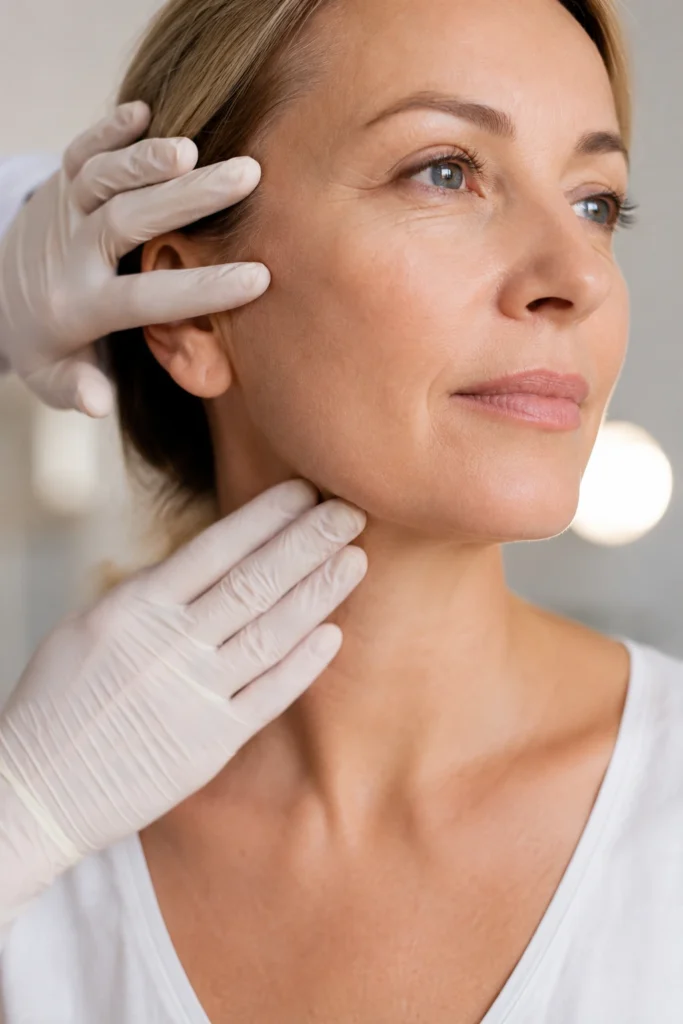
Facelift in Turkey: Procedure, Recovery and What to Expect Before Surgery is a common topic for people who want a younger, fresher, and more balanced facial appearance while also understanding the full surgical journey before making a decision. A facelift in Turkey usually involves tightening deeper facial tissues, repositioning sagging skin, improving jawline definition, and creating a more rested look. The procedure, recovery timeline, clinic selection, surgeon experience, and pre-surgery preparation all play an important role in the final result. Anyone considering facelift surgery in Turkey should learn how the operation works, what recovery feels like, and how to prepare both physically and emotionally before surgery.
Turkey has become a popular destination for facial rejuvenation procedures because many patients look for experienced plastic surgeons, modern hospitals, personalized treatment plans, and comprehensive medical travel services. A facelift does not simply “pull the skin.” A well-planned facelift focuses on facial harmony, natural movement, and long-term rejuvenation. The goal is not to change who you are, but to help your face look more refreshed and balanced.
Facial aging affects everyone differently. Some people notice loose skin around the jawline. Others feel bothered by deep smile lines, sagging cheeks, neck laxity, or a tired expression that no longer matches how they feel inside. A facelift in Turkey can address these concerns with a customized surgical plan. The best approach depends on age, skin quality, facial anatomy, lifestyle, and personal expectations.
Table of Contents
ToggleWhat Is a Facelift in Turkey?
A facelift, also known as rhytidectomy, is a cosmetic surgery that improves visible signs of aging in the lower and mid-face. During a facelift in Turkey, the surgeon usually lifts and repositions deeper facial layers, removes excess skin, and restores a smoother contour around the cheeks, jawline, and neck. Many surgeons also combine facelift surgery with neck lift, eyelid surgery, fat transfer, or skin treatments when the patient needs a more complete rejuvenation plan.
The procedure mainly targets sagging skin, jowls, deep facial folds, loose tissue around the jawline, and loss of facial definition. It does not stop the natural aging process, but it can create a younger and more refreshed appearance for many years. Patients often choose facelift surgery when non-surgical treatments no longer give enough improvement.
A facelift in Turkey can suit both women and men who want natural-looking facial rejuvenation. The ideal candidate usually has visible facial sagging, realistic expectations, good general health, and enough skin elasticity to support healing. A detailed consultation helps the surgeon decide whether the patient needs a full facelift, mini facelift, deep plane facelift, neck lift, or a combined procedure.
Why Do Patients Choose Turkey for Facelift Surgery?
Many international patients choose Turkey for facelift surgery because the country offers a strong medical tourism infrastructure. Clinics and hospitals in major cities such as Istanbul often work with international patients and provide organized services such as consultation support, hotel arrangements, transfers, translation assistance, and post-operative follow-up.
Another important reason is surgeon experience. Facial surgery requires precision, artistic judgment, and deep anatomical knowledge. Patients often search for surgeons who perform facelift procedures regularly and understand how to create natural results. Turkey has many plastic surgeons who focus on facial rejuvenation and use advanced facelift techniques.
Cost also plays a role, but patients should never choose a facelift package based only on price. A safe facelift in Turkey depends on the surgeon’s qualifications, hospital standards, anesthesia team, surgical planning, aftercare quality, and transparent communication. A lower price may look attractive at first, but the quality of the surgical team and medical environment should always come first.
Turkey also attracts patients because it combines medical care with privacy and comfort. Many people prefer to recover away from their daily routine. A calm recovery environment can help patients rest, follow instructions, and attend check-ups without stress.
Facelift Procedure Step by Step
The facelift procedure starts with a detailed consultation. The surgeon examines facial structure, skin quality, bone support, volume loss, neck condition, previous treatments, and medical history. The patient explains personal concerns and expectations. This conversation helps the surgeon create a realistic and personalized plan.
Before surgery, the medical team usually requests blood tests, anesthesia evaluation, and general health checks. The surgeon may also take photographs to analyze facial proportions and plan incision placement. Patients who smoke usually need to stop before and after surgery because smoking can slow healing and increase risks.
During the operation, the patient usually receives general anesthesia or deep sedation, depending on the surgical plan and medical evaluation. The surgeon places incisions in discreet areas, often around the hairline, temples, ears, and sometimes under the chin if the neck also needs correction. Incision placement changes according to the type of facelift.
The surgeon then lifts and repositions deeper facial tissues. This step matters because natural facelift results come from supporting the deeper layers, not simply tightening the skin. After shaping the underlying structures, the surgeon removes excess skin carefully and closes the incisions with fine sutures.
A facelift in Turkey may take several hours, especially when the surgeon combines it with a neck lift, eyelid surgery, or fat transfer. After surgery, the patient moves to a recovery area where the medical team monitors comfort, blood pressure, and early healing. Some patients stay one night in the hospital, while others may need a different plan depending on the procedure.
Types of Facelift Techniques
Different facelift techniques target different aging concerns. A mini facelift usually works best for mild sagging around the lower face and jawline. It involves smaller incisions and a shorter recovery period, but it does not offer the same level of correction as a full facelift.
A traditional facelift targets more advanced sagging in the cheeks, jawline, and lower face. It can create stronger improvement for patients with visible jowls and loose skin. Surgeons often combine this technique with a neck lift when neck laxity also affects the overall appearance.
A deep plane facelift focuses on deeper facial structures and releases certain ligaments to reposition the face more naturally. Many patients like this technique because it can create a refreshed look without an overly tight appearance. However, it requires high surgical skill and careful patient selection.
A neck lift can complement facelift surgery when the patient has loose neck skin, vertical neck bands, or fullness under the chin. Since the face and neck age together, many surgeons recommend treating both areas for a more balanced result.
Recovery After Facelift Surgery in Turkey
Recovery after facelift surgery requires patience, rest, and careful follow-up. Most patients experience swelling, bruising, tightness, and mild discomfort during the first week. These effects gradually decrease as the tissues heal. The surgeon may place a supportive facial garment or bandage to reduce swelling and protect the new contours.
The first few days matter most for comfort and safety. Patients should keep the head elevated, avoid sudden movements, rest as much as possible, and follow medication instructions. Cold compresses may help in some cases, but patients should use them only if the surgeon recommends them.
Most people feel ready for light daily activities after one to two weeks. Bruising and swelling can still remain, but makeup or gentle styling may help once the surgeon allows it. Social recovery often takes two to three weeks, depending on the extent of the procedure and individual healing speed.
Exercise, heavy lifting, sauna, alcohol, smoking, and intense sun exposure can interfere with recovery. Patients should return to these activities only after medical approval. Final facelift results develop gradually. Swelling continues to improve over several months, and incision lines usually fade with time.
A facelift in Turkey often includes follow-up appointments before the patient returns home. International patients should plan enough time in Turkey for early recovery and surgeon checks. Clear communication with the clinic helps patients understand when they can fly, how to care for incisions, and what signs require medical attention.
What to Expect Before Facelift Surgery
Before facelift surgery, patients should prepare both physically and mentally. A successful experience starts with realistic expectations. A facelift can refresh the face, define the jawline, and reduce sagging, but it cannot create perfection or make someone look like a completely different person. Natural results depend on facial anatomy, skin quality, technique, and healing response.
Patients should share their full medical history during consultation. This includes previous surgeries, chronic conditions, allergies, medications, supplements, smoking habits, and skin treatments. Even vitamins and herbal products can affect bleeding risk, so the surgeon needs complete information.
The surgeon may ask the patient to stop certain medications or supplements before surgery. Patients should never make changes without medical guidance. Good preparation also includes arranging recovery support, choosing comfortable clothing, preparing soft foods, and planning time away from work.
Emotional preparation also matters. Swelling and bruising can feel discouraging in the early days. Patients should remember that the first week does not represent the final result. Healing takes time, and the face changes gradually as swelling decreases.
How to Choose the Right Surgeon in Turkey
Choosing the right surgeon is one of the most important steps in facelift surgery. Patients should look for a qualified plastic surgeon with strong experience in facial rejuvenation. Before-and-after photos can help patients understand the surgeon’s aesthetic style, but they should focus on natural-looking results, facial harmony, and consistency.
A good consultation should feel clear and honest. The surgeon should explain the procedure, technique options, incision areas, recovery timeline, risks, limitations, and realistic outcomes. Patients should feel comfortable asking questions. Trust and communication play a major role in the entire process.
Clinic and hospital standards also matter. Facelift surgery should take place in a safe medical environment with proper anesthesia support and emergency readiness. Patients should ask where the surgery will happen, who will perform the procedure, and how the clinic manages aftercare.
International patients should also review communication support. A reliable clinic explains the travel plan, required stay, follow-up schedule, and post-surgery instructions clearly. Good organization reduces stress and helps the patient focus on healing.
Facelift in Turkey Cost Factors
Facelift in Turkey cost can vary widely because each procedure requires a personalized plan. The price may change according to the surgeon’s experience, surgical technique, hospital quality, anesthesia fees, procedure length, combined operations, and aftercare services.
A mini facelift usually costs less than a full facelift because it involves a smaller surgical area. A deep plane facelift, neck lift combination, or revision facial surgery may cost more because the procedure requires more time and technical expertise. Additional treatments such as eyelid surgery, fat transfer, or laser resurfacing also affect the total cost.
Patients should ask what the quoted price includes. Some packages include hospital fees, anesthesia, tests, garments, medications, hotel stay, transfers, and follow-up appointments. Others only cover the surgical fee. Clear pricing helps patients compare options fairly.
The cheapest option rarely gives the safest path. A facelift affects the face, identity, confidence, and long-term appearance. For this reason, patients should focus on safety, surgeon skill, natural results, and quality of care before making a decision.
Natural Results and Long-Term Expectations
A natural facelift should make the face look rested, lifted, and balanced. It should not create a frozen, stretched, or artificial appearance. Modern facelift techniques focus on repositioning tissues rather than pulling the skin tightly. This approach helps preserve facial expression and individuality.
Long-term results depend on genetics, skin quality, sun exposure, weight stability, lifestyle, and skincare habits. Patients who protect their skin from the sun, avoid smoking, maintain a stable weight, and follow a good skincare routine often enjoy longer-lasting results.
A facelift does not prevent future aging, but it can set the face back in time. The aging process continues naturally, yet many patients still look younger than they would have without surgery. Regular skin care and healthy habits support the surgical result.
Frequently Asked Questions
Is facelift surgery in Turkey safe?
Facelift surgery in Turkey can offer a safe experience when patients choose a qualified plastic surgeon, an accredited hospital, and a clinic with strong aftercare standards. Patients should review surgeon credentials, facility quality, and communication before booking surgery.
How long should I stay in Turkey after a facelift?
Many patients stay in Turkey for about 7 to 10 days after facelift surgery, but the ideal duration depends on the surgical plan and surgeon’s follow-up schedule. Patients should attend early check-ups before flying home.
When can I return to work after a facelift?
Most patients return to non-physical work after two to three weeks. Swelling and bruising vary from person to person, so some patients may need more time before they feel comfortable in social or professional settings.
Will a facelift leave visible scars?
A skilled surgeon places facelift incisions in discreet areas around the hairline and ears. Scars usually fade over time with proper care, although healing quality depends on skin type, genetics, and post-operative care.
What is the best age for a facelift in Turkey?
There is no single best age for facelift surgery. Many patients consider it in their 40s, 50s, or 60s when sagging skin, jowls, and facial laxity become more noticeable. The right timing depends on facial aging, health status, and personal goals.