


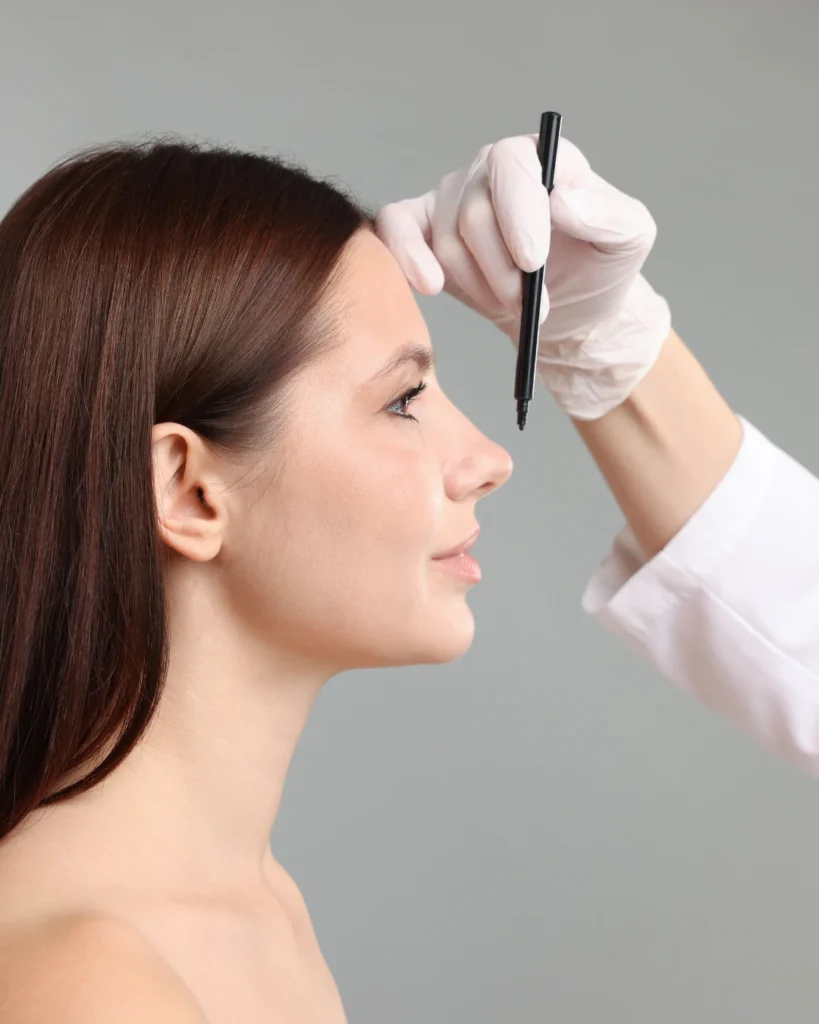
Rhinoplasty Swelling Timeline: What Happens Week by Week After Nose Surgery? explains how swelling usually changes after rhinoplasty, from the first days after surgery to the final refinement stage. For patients considering rhinoplasty in Turkey, understanding this recovery timeline helps create realistic expectations before traveling for surgery. Most visible swelling improves within the first few weeks, but the nose can keep changing for many months as tissues heal. Many patients see a more natural shape after the first month, while the final nasal contour may take up to a year to refine.
Rhinoplasty is one of the most detail-focused cosmetic surgeries because even small changes can affect the balance of the whole face. Many people choose rhinoplasty in Turkey because they want a natural-looking nose shape, experienced surgical planning, and a clear recovery process. After surgery, patients often feel excited to see their new nose, but swelling can hide the final shape for a while. This is completely normal.
A clear rhinoplasty swelling timeline helps patients feel calmer during recovery. When you know what usually happens week by week, you can stop worrying about every small change in the mirror. This is especially helpful for international patients who travel for nose surgery in Turkey and want to understand what to expect before returning home.
In this guide, we will explain Rhinoplasty Swelling Timeline: What Happens Week by Week After Nose Surgery? in a simple and realistic way. You will learn what to expect in the first days, the first month, and the later healing stages after rhinoplasty in Turkey.
Table of Contents
ToggleWhy Does Swelling Happen After Rhinoplasty?
Swelling happens because your body starts healing after surgical changes to the nose. During rhinoplasty, the surgeon reshapes bone, cartilage, soft tissue, or the nasal tip. Your body responds by sending fluid and healing cells to the area. This response creates swelling, tightness, and sometimes bruising around the nose and eyes.
The amount of swelling varies from person to person. Skin thickness, surgical technique, nasal structure, revision surgery, and aftercare habits all affect recovery. People with thicker nasal skin may notice swelling for a longer time, especially around the nasal tip.
If you plan rhinoplasty in Turkey, your surgeon will evaluate your skin type, nose structure, and expectations before surgery. This personal planning helps you understand how your own swelling timeline may progress.
First 48 Hours After Nose Surgery
The first 48 hours usually bring the most intense swelling and pressure. Your nose may feel blocked, heavy, or tight. You may also see swelling around your cheeks, upper lip, and under-eye area. Bruising can appear under the eyes, especially if the surgeon worked on the nasal bones.
During this stage, rest matters a lot. Keeping your head elevated can help reduce pressure. Your surgeon may ask you to use cold compresses around the cheeks or eyes, but you should avoid placing pressure directly on the nose unless your surgeon gives specific instructions.
Patients who travel for nose surgery in Turkey usually stay under medical follow-up during these early days. This allows the surgical team to check swelling, breathing comfort, and general recovery before the patient returns home.
Week 1: Splint, Bruising, and Visible Swelling
The first week often feels like the most challenging part of rhinoplasty recovery. Most patients wear a nasal splint or external dressing during this period. The splint protects the new nasal structure and helps support the nose as healing begins.
Swelling and bruising usually remain visible during week one. You may feel congested, and breathing through the nose may feel difficult. This happens because internal swelling narrows the nasal passages. Some patients also feel tightness when smiling or talking.
At the end of the first week, your surgeon may remove the splint. Many patients who choose rhinoplasty in Turkey plan their stay around this appointment because splint removal gives the surgeon a chance to check the early healing stage. However, you should not expect the final result at this point. The nose often looks puffy after splint removal, and this reaction is normal.
Week 2: Bruising Fades and Social Recovery Begins
During week two, many patients start to feel more comfortable. Bruising often fades significantly, and swelling begins to look less dramatic. Some people feel ready to return to work, school, or social activities, especially if they do not mind mild puffiness.
The nose may still look wider or more rounded than expected. The nasal tip can look lifted, firm, or swollen. This stage can feel emotionally confusing because you may see improvement, but you may also notice uneven swelling. One side may look more swollen than the other. This usually improves with time.
For international patients, week two often marks the period when they feel more comfortable traveling after rhinoplasty in Turkey. Still, every patient should follow the surgeon’s travel and aftercare instructions.
Weeks 3–4: The Nose Starts Looking More Natural
By weeks three and four, the most obvious swelling usually improves. Many patients feel more confident in photos and daily life. The bridge of the nose often looks more defined, while the tip may still hold swelling.
This stage brings small but encouraging changes. Your nose may no longer look “recently operated,” but it may still feel stiff or numb. The skin and soft tissue continue to adjust to the new shape underneath.
Patients who had nose surgery in Turkey often continue online follow-ups during this stage. Regular communication with the clinic helps track recovery and gives patients peace of mind while swelling continues to decrease.
Month 2–3: More Definition Appears
Around months two and three, swelling usually decreases enough for the nose to show better shape. The bridge looks smoother, the side profile becomes clearer, and the nose begins to blend more naturally with the face.
However, the nasal tip often remains the slowest area to heal. Tip swelling can make the nose look slightly round, firm, or less refined than expected. This happens because the tip has thicker soft tissue and less direct blood flow than some other areas.
If you chose rhinoplasty in Turkey, this stage is a good time to compare your progress photos with your surgeon’s expectations. The nose continues to improve, but small changes still happen every month.
Month 4–6: Subtle Refinement Continues
Between months four and six, the nose often looks much closer to its final shape. Swelling becomes less obvious to other people, although you may still notice small changes yourself. The tip may gradually become softer and more defined.
This stage rewards patience. Many patients stop thinking about swelling every day because their nose looks more natural in normal lighting and photos. Still, morning swelling can appear after salty meals, poor sleep, alcohol, heat, or intense exercise.
Revision rhinoplasty, thick nasal skin, and complex nasal reshaping can extend the swelling timeline. This does not automatically mean a poor result. It simply means your tissues need more time to settle after rhinoplasty in Turkey or any other surgical setting.
Month 6–12: Final Rhinoplasty Shape Develops
From month six to one year, the nose continues to refine in small ways. The changes may feel slow, but they matter. The tip becomes more defined, the skin adapts better to the new structure, and the overall shape looks more balanced.
Many patients see their final result around one year after surgery. Some people, especially those with thick skin or complex surgery, may continue to notice subtle refinement after that point.
This part of the rhinoplasty swelling timeline requires trust in the process. Your nose may look good long before one year, but the final details need time. Patients who undergo rhinoplasty in Turkey should also remember that long-term recovery continues after they return home.
What Can Help Reduce Swelling After Rhinoplasty?
Good aftercare can support a smoother recovery. Sleeping with your head elevated during the early healing period can reduce pressure. Avoiding strenuous exercise until your surgeon allows it can also help control swelling. A balanced diet, enough water, and limited salt intake may make recovery feel more comfortable.
You should also protect your nose from accidental bumps. Avoid glasses that put pressure on the nasal bridge unless your surgeon gives permission. Sun protection matters too because healing skin can react more strongly to sunlight.
If you travel for rhinoplasty in Turkey, ask your surgeon for clear aftercare instructions before leaving the clinic. Written guidance about sleeping position, showering, medication, flying, and follow-up appointments can make the healing process easier.
When Should You Contact Your Surgeon?
Some swelling feels normal after rhinoplasty, but certain signs need medical attention. Contact your surgeon if you notice severe pain that does not improve with medication, sudden heavy bleeding, fever, increasing redness, unusual discharge, or a strong change in breathing.
You should also contact your surgeon if swelling suddenly becomes much worse after initial improvement. A professional check gives you peace of mind and helps catch any issue early.
Patients who return home after nose surgery in Turkey should keep communication open with their clinic. Photos, video consultations, and scheduled follow-ups can help the surgical team evaluate recovery from a distance.
Rhinoplasty Swelling Timeline: What Happens Week by Week After Nose Surgery?
So, Rhinoplasty Swelling Timeline: What Happens Week by Week After Nose Surgery? is really a story of gradual change. The first week brings the most visible swelling and bruising. The second week usually feels easier. The first month reveals early shape, while months three to six bring more definition. By one year, most patients see a much more refined and stable result.
Recovery can test your patience, but every week brings progress. Instead of checking the mirror constantly, take photos at regular intervals. This helps you see changes more clearly and appreciate the slow, steady improvement after rhinoplasty in Turkey.
Frequently Asked Questions
How long does swelling last after rhinoplasty?
Most visible swelling improves within the first few weeks, but subtle swelling can last for several months. The final nasal contour often takes up to one year to refine.
Is it normal for the nose tip to stay swollen longer?
Yes, the nasal tip often holds swelling longer than the bridge. Thick skin, tip work, and individual healing speed can make this area look puffy for several months.
When can I return to work after rhinoplasty?
Many patients return to work or school after one to two weeks, depending on bruising, swelling, comfort, and the type of job. If you travel for rhinoplasty in Turkey, your surgeon can guide you about both work and travel timing.
Can I fly after rhinoplasty in Turkey?
Many international patients fly home after the first follow-up or splint removal, but timing depends on the surgeon’s advice and the patient’s healing condition. You should always confirm your travel plan with your surgical team.
When will I see my final rhinoplasty result?
Many patients see the final result around 12 months after surgery. Some noses, especially revision cases or noses with thick skin, may continue to refine for longer.