


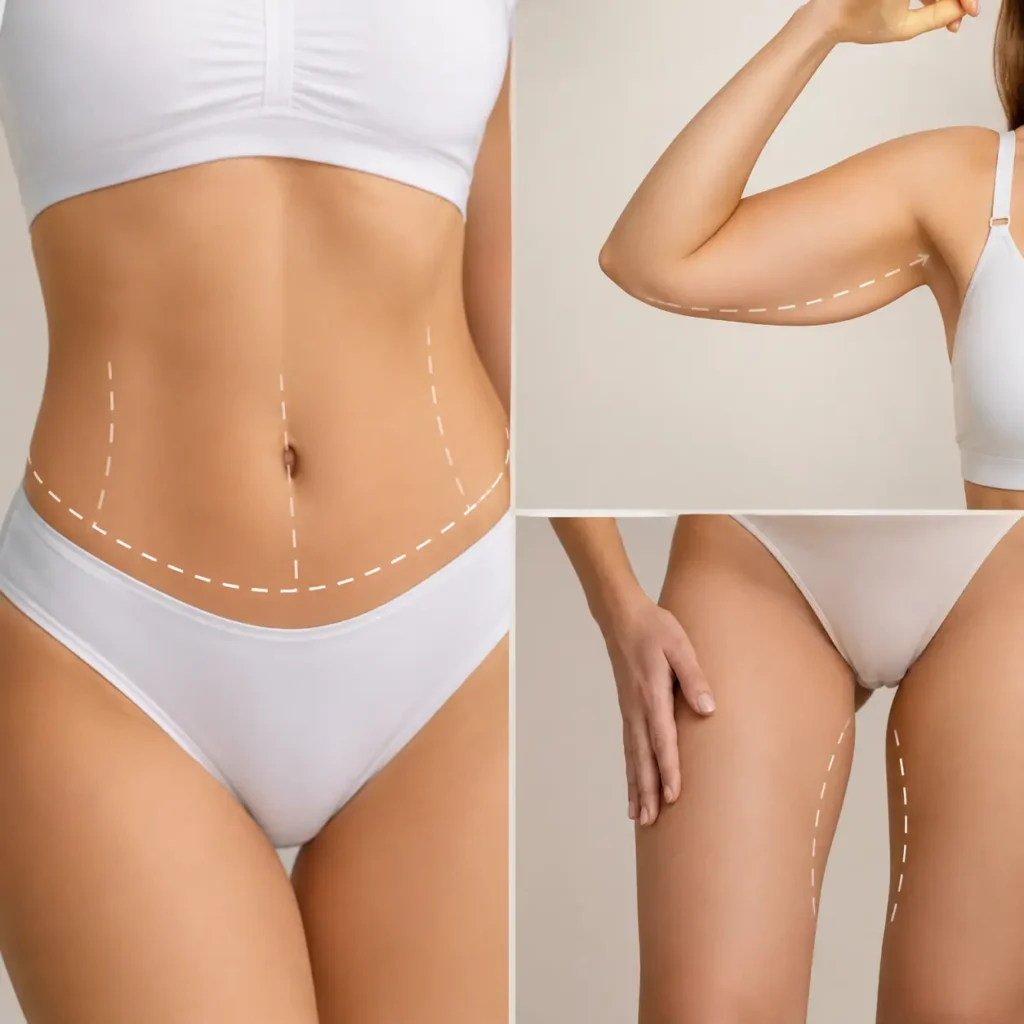
Losing a significant amount of weight takes effort, patience, and discipline. Whether someone loses weight through lifestyle changes, bariatric surgery, or a long-term fitness journey, the achievement deserves recognition. However, after major weight loss, the skin does not always shrink back to the body’s new shape. This can leave hanging skin, uneven contours, irritation, and discomfort during daily movement.
This is where post weight loss body contouring becomes important. Procedures such as tummy tuck, arm lift, and thigh lift focus on removing excess skin and improving body shape. These surgeries do not replace weight loss. Instead, they help refine the results after weight has stabilized.
In this Body Surgeries After Weight Loss: Tummy Tuck, Arm Lift and Thigh Lift Guide, we explore the most common procedures, who may benefit from them, what recovery usually involves, and how patients can prepare for a smoother experience.
Table of Contents
ToggleWhy Loose Skin Happens After Major Weight Loss
Skin has natural elasticity, but it has limits. When the body carries extra weight for a long time, the skin stretches to cover the larger body volume. After weight loss, fat volume decreases, but the skin may not fully tighten.
Several factors affect how much loose skin remains. Age, genetics, skin quality, smoking history, sun exposure, amount of weight lost, and how long the skin stayed stretched all play a role. Someone who loses a large amount of weight quickly may notice more loose skin than someone who loses weight gradually.
Loose skin does more than affect appearance. It can cause rubbing, sweating, redness, hygiene issues, and difficulty finding comfortable clothes. Many people feel frustrated because they have worked hard to improve their body, yet excess skin hides their progress. Body surgeries after weight loss help address these concerns by creating firmer, smoother body contours.
Tummy Tuck After Weight Loss: Reshaping the Abdomen
A tummy tuck, also called abdominoplasty, focuses on the abdominal area. After significant weight loss, many people develop loose skin around the lower belly, stretched abdominal tissue, and weakened abdominal muscles. A tummy tuck helps create a flatter and more defined midsection.
During a tummy tuck, the surgeon removes excess skin and fat from the abdomen. In many cases, the surgeon also tightens separated or weakened abdominal muscles. This can improve the appearance of the waistline and give the abdomen a firmer structure.
People often consider tummy tuck surgery after weight loss when they have hanging skin over the lower abdomen, irritation under skin folds, or a belly shape that does not improve with exercise. Diet and workouts strengthen the body, but they cannot remove loose skin.
A tummy tuck can also improve clothing fit. Many patients feel more comfortable wearing fitted clothes, swimwear, or activewear after recovery. The goal is not to create an unrealistic body shape. The goal is to bring the abdomen into better balance with the person’s new weight and natural frame.
Arm Lift After Weight Loss: Improving Upper Arm Contours
An arm lift, also known as brachioplasty, targets loose skin on the upper arms. After weight loss, the area between the elbow and armpit may sag. Some people call this “bat wings,” and it can make them feel uncomfortable in short sleeves or sleeveless clothing.
An arm lift removes excess skin and improves the shape of the upper arms. The surgeon places the incision along the inner or back part of the arm, depending on the amount of skin and the patient’s anatomy. The exact incision length varies from person to person.
This procedure works best for people who have stable weight and noticeable skin laxity in the upper arms. Exercise can tone the arm muscles, but it cannot tighten skin that has lost elasticity. That is why many post weight loss patients choose arm lift surgery as part of their body contouring plan.
Arm lift recovery usually requires careful movement during the first weeks. Patients need to avoid heavy lifting until the surgeon confirms that healing has progressed well. As swelling decreases, the arms begin to look slimmer, firmer, and more proportionate.
Thigh Lift After Weight Loss: Creating Smoother Leg Shape
A thigh lift focuses on loose skin around the inner or outer thighs. After major weight loss, the thighs may develop sagging skin that causes rubbing while walking, discomfort during exercise, or difficulty wearing certain clothes.
A thigh lift removes extra skin and reshapes the upper legs. Some patients need treatment mainly on the inner thighs, while others need a more extensive approach. The surgeon chooses the technique based on skin quality, body shape, and the amount of correction needed.
People often choose thigh lift surgery because loose thigh skin affects both comfort and confidence. Skin folds in this area can trap moisture and create irritation. Many patients also feel that their legs do not match the rest of their slimmer body.
A thigh lift can help the legs look smoother and more balanced. It can also improve movement comfort, especially for people who experience friction during walking or workouts. Recovery requires patience because the thighs move frequently throughout the day. Following post-operative instructions helps protect the incision areas and supports better healing.
Can Tummy Tuck, Arm Lift, and Thigh Lift Be Combined?
Some patients choose to combine body surgeries after weight loss, while others prefer to separate them into stages. The right choice depends on general health, surgical goals, amount of correction, recovery time, and the surgeon’s recommendation.
Combining procedures can reduce the total number of surgeries and recovery periods. For example, a patient may choose a tummy tuck and arm lift together. Another patient may need a staged plan that starts with the abdomen and continues with the thighs later.
Safety always comes first. Longer surgeries increase physical demand on the body, so the surgeon carefully evaluates each patient. Medical history, blood tests, weight stability, lifestyle habits, and recovery support at home all matter.
A personalized treatment plan gives the best experience. Instead of trying to change everything at once, patients should focus on safe, realistic, and balanced improvement.
Who Is a Good Candidate for Body Surgeries After Weight Loss?
Good candidates usually have stable weight, good general health, and realistic expectations. Weight stability matters because future weight changes can affect surgical results. Many surgeons prefer patients to maintain a steady weight for several months before surgery.
Non-smokers usually heal better because smoking can reduce blood flow and increase wound healing risks. Patients who smoke need to discuss this honestly with their surgeon and follow medical guidance before surgery.
A good candidate also understands that scars are part of body contouring surgery. Surgeons place incisions as carefully as possible, but removing excess skin requires incision lines. Over time, scars often fade, and many patients feel the improved body shape outweighs the presence of scars.
The best candidates want improvement, not perfection. A tummy tuck, arm lift, or thigh lift can create meaningful change, but every body heals differently.
Recovery After Post Weight Loss Body Contouring
Recovery depends on the procedure, the number of areas treated, and the person’s healing process. Swelling, bruising, tightness, and temporary discomfort are common in the early stage. Surgeons often recommend compression garments to support the tissues and help manage swelling.
Patients usually need help at home for the first days, especially after a tummy tuck or combined surgery. Simple activities such as standing, walking, showering, and dressing may feel harder at first. Light walking supports circulation, but strenuous exercise needs to wait until the surgeon allows it.
Most people return to desk work within a few weeks, depending on the surgery. Jobs that require lifting or long periods of standing may require more time. The body continues to refine for months as swelling decreases and scars mature.
Following the surgeon’s instructions makes a major difference. Good nutrition, hydration, rest, and careful wound care support smoother recovery.
How to Prepare for Tummy Tuck, Arm Lift, and Thigh Lift Surgery
Preparation starts with a detailed consultation. Patients should share their weight loss history, medical conditions, medications, previous surgeries, and personal goals. Clear communication helps the surgeon design the right plan.
Before surgery, patients may need to stop certain medications or supplements that increase bleeding risk. They should also arrange transportation, prepare comfortable clothing, and organize help for daily tasks.
Protein-rich meals, enough water, and a calm recovery space can make the healing period easier. Patients should also prepare emotionally. Body contouring surgery can feel exciting, but recovery takes patience. Progress happens step by step.
Body Surgeries After Weight Loss: Tummy Tuck, Arm Lift and Thigh Lift Guide gives patients a clear starting point, but a personal consultation provides the most accurate plan.
FAQ – Frequently Asked Questions
1. How long should I wait after weight loss before body surgery?
Many surgeons recommend waiting until your weight stays stable for several months. Stable weight helps protect the results and allows the surgeon to plan the procedure more accurately.
2. Can exercise tighten loose skin after weight loss?
Exercise strengthens muscles and improves body tone, but it cannot remove excess loose skin. Procedures such as tummy tuck, arm lift, and thigh lift directly target sagging skin.
3. Will I have scars after body contouring surgery?
Yes, these procedures leave scars because the surgeon needs incisions to remove extra skin. A skilled surgeon places scars carefully, and they usually fade over time with proper care.
4. Can I have a tummy tuck, arm lift, and thigh lift at the same time?
Some patients can combine procedures, while others need a staged plan. The safest option depends on your health, surgery length, treatment areas, and your surgeon’s evaluation.